Premium Workwear Manufacturing for Professionals

Ahtisham

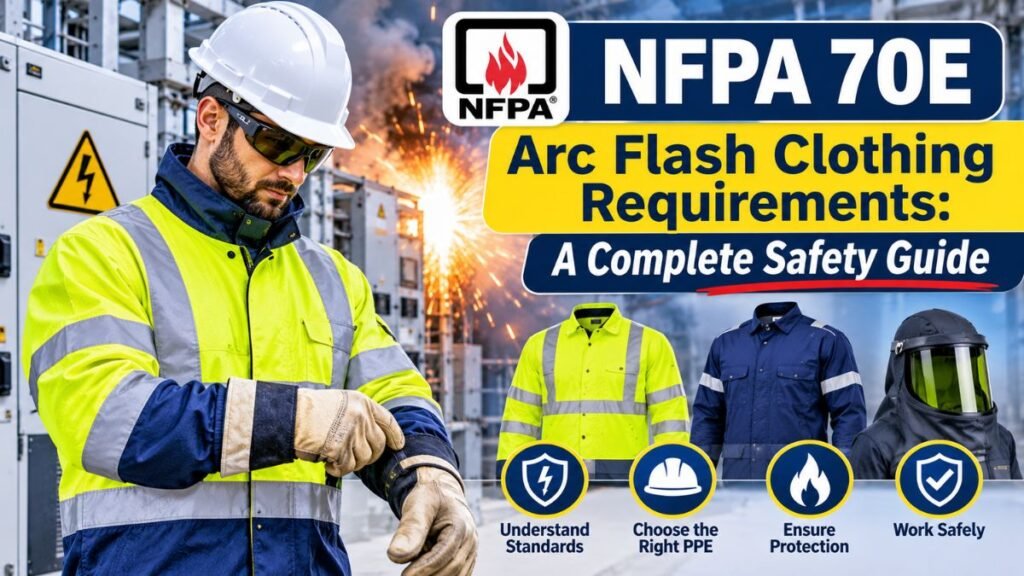
Electrician in hard hat and hi-vis jacket near sparking electrical panels, with arc flash shirts and suit examples

NFPA 70E Arc Flash Clothing Requirements: A Complete Safety Guide

Electrical safety is essential in workplaces where employees install, inspect, maintain, or repair electrical equipment. Electricians, electrical engineers, maintenance technicians, and industrial workers may face dangerous electrical hazards, including arc flashes and arc blasts. An arc flash can release intense heat, bright light, hot gases, and molten metal particles in a fraction of a second.

NFPA 70E Arc Flash Clothing Requirements: A Complete Safety Guide Read More »
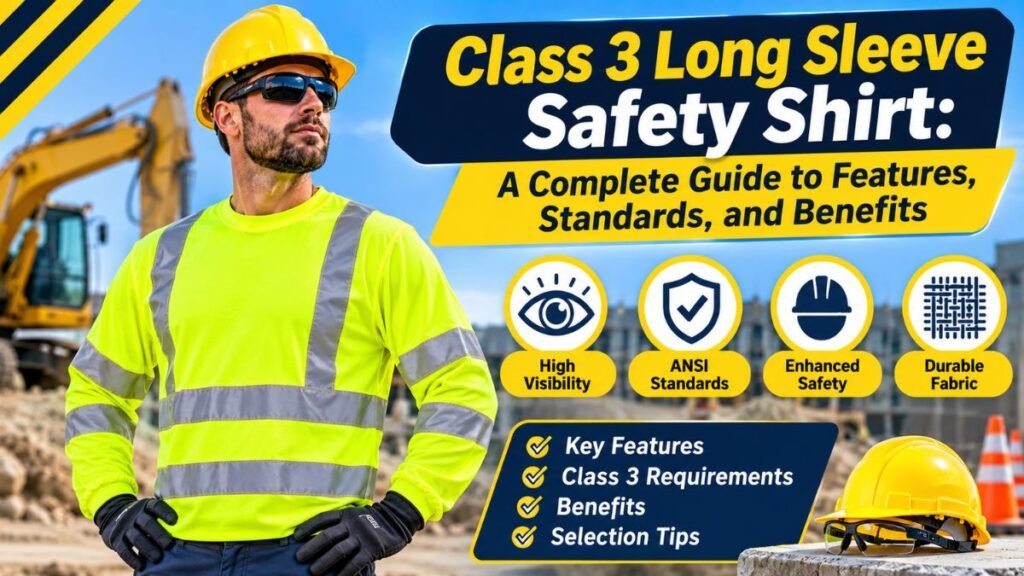
Man in a bright yellow Class 3 long-sleeve safety shirt with reflective strips, yellow hard hat, and sunglasses standing in front of a yellow excavator under a blue sky; the right side of the image shows the title "Class 3 Long Sleeve Safety Shirt: A Complete Guide to Features, Standards, and Benefits" with four icons labeled High Visibility, ANSI Standards, Enhanced Safety, and Durable Fabric, plus a checklist of Key Features, Class 3 Requirements, Benefits, and Selection Tips.

Class 3 Long Sleeve Safety Shirt: A Complete Guide to Features, Standards, and Benefits

Workplace safety is essential in industries where employees work near moving vehicles, heavy machinery, road traffic, and other potential hazards. Workers need clothing that helps them remain visible in different lighting conditions while providing comfort and freedom of movement. A Class 3 long sleeve safety shirt is designed for work environments where a high level

Class 3 Long Sleeve Safety Shirt: A Complete Guide to Features, Standards, and Benefits Read More »

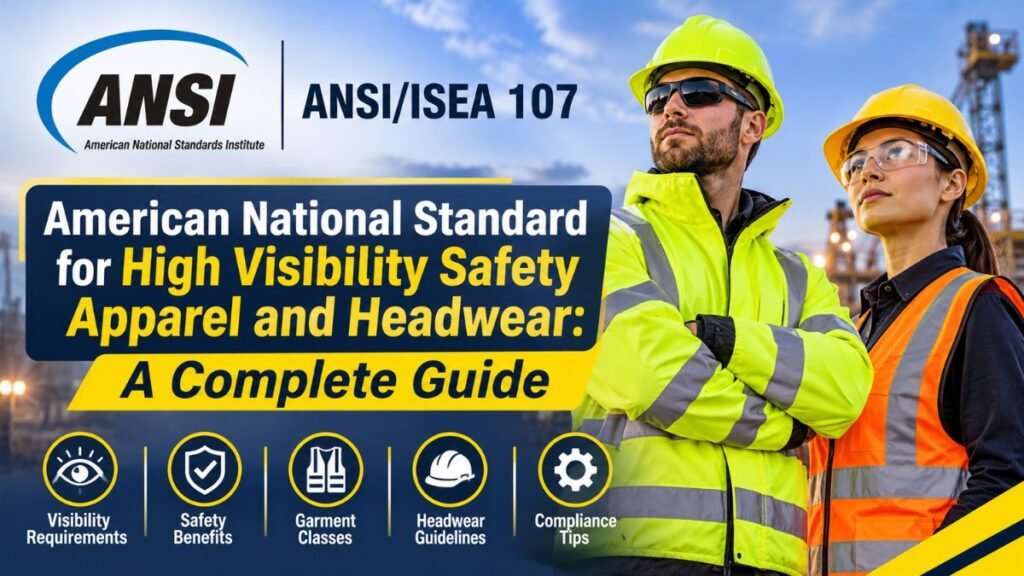
Two construction workers in high-visibility gear—a man in a yellow jacket and a woman in an orange vest, both wearing hard hats—stand against a blurred construction site, with the title "American National Standard for High Visibility Safety Apparel and Headwear: A Complete Guide" above five icons reading Visibility Requirements, Safety Benefits, Garment Classes, Headwear Guidelines, and Compliance Tips.

American National Standard for High Visibility Safety Apparel and Headwear: A Complete Guide

High-visibility safety apparel plays an essential role in protecting workers who perform their jobs near moving vehicles, heavy machinery, construction equipment, and other workplace hazards. Reflective vests, safety jackets, high-visibility shirts, and other protective garments help workers stand out in busy or poorly lit environments. In the United States, the American National Standard for High

American National Standard for High Visibility Safety Apparel and Headwear: A Complete Guide Read More »

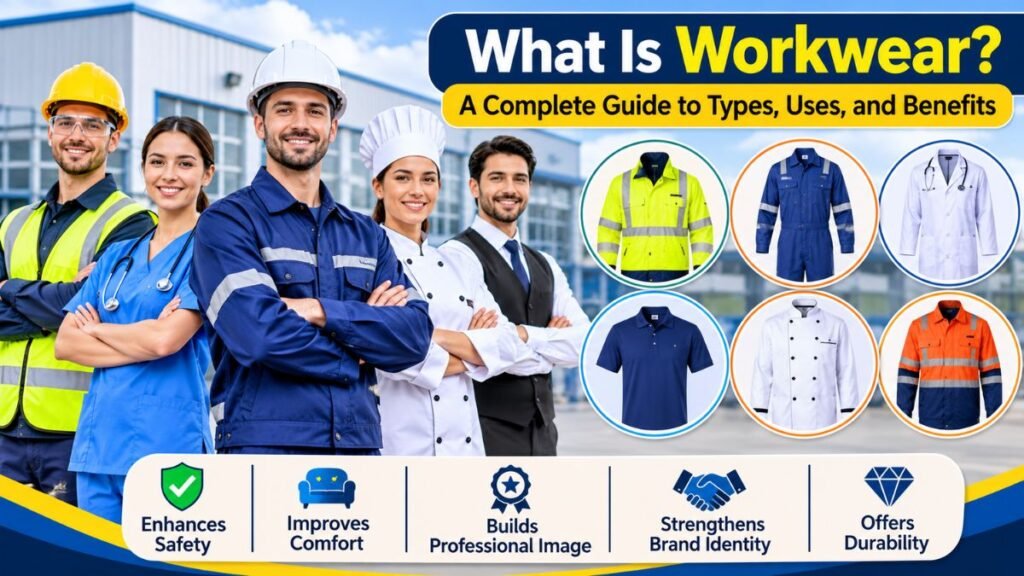
Five smiling professionals in different work uniforms standing side by side

What Is Workwear? A Complete Guide to Types, Uses, and Benefits

Workwear plays an important role in many industries, including construction, manufacturing, healthcare, hospitality, transportation, and engineering. It is designed to help employees perform their jobs comfortably while meeting workplace requirements for appearance, durability, and, where necessary, protection. From industrial coveralls and high-visibility jackets to professional uniforms and healthcare scrubs, workwear comes in many different styles.

What Is Workwear? A Complete Guide to Types, Uses, and Benefits Read More »

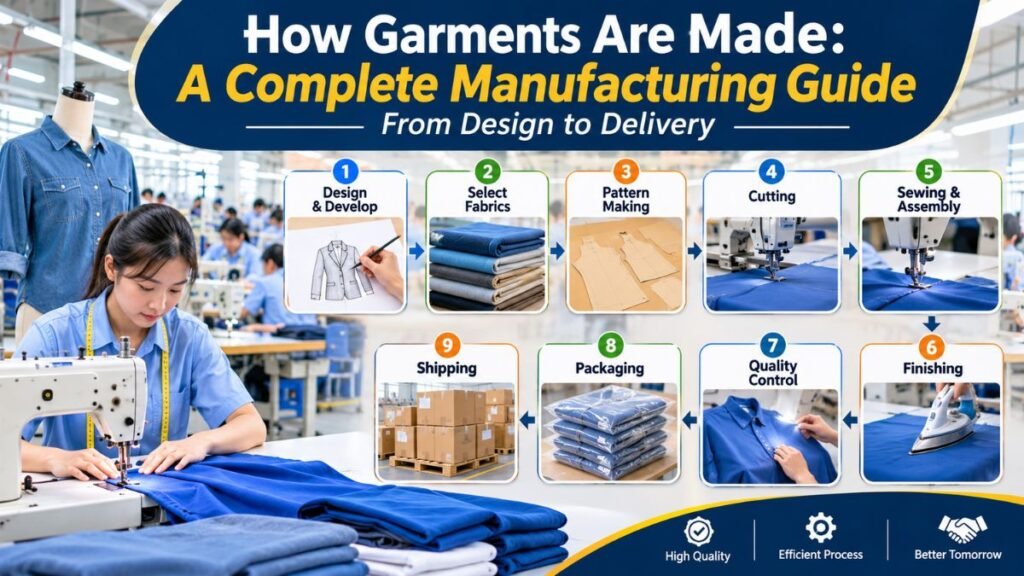
"Infographic titled 'How Garments Are Made: A Complete Manufacturing Guide – From Design to Delivery,' showing a nine-step flowchart: 1. Design & Develop, 2. Select Fabrics, 3. Pattern Making, 4. Cutting, 5. Sewing & Assembly, 6. Finishing, 7. Quality Control, 8. Packaging, and 9. Shipping, with a garment factory background and three value icons: High Quality, Efficient Process, and Better Tomorrow."

How Garments Are Made: A Complete Manufacturing Guide

Garments are an essential part of everyday life, but have you ever wondered how clothes are made? From the first design idea to the finished product, garment manufacturing involves several important steps that require careful planning, skilled workers, specialized machinery, and quality materials. The garment manufacturing process transforms raw materials, such as cotton, polyester, and

How Garments Are Made: A Complete Manufacturing Guide Read More »

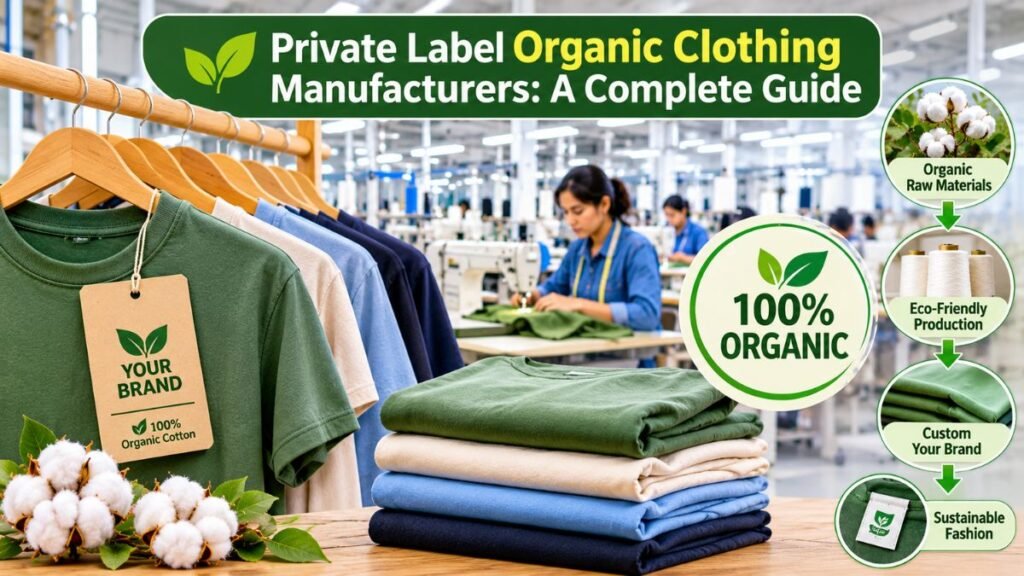
Promotional graphic for "Private Label Organic Clothing Manufacturers: A Complete Guide," showing a wooden rack of colorful t-shirts with a green "YOUR BRAND / 100% Organic Cotton" tag, cotton bolls in the foreground, a blurred sewing factory in the background, and a circular "100% ORGANIC" badge with four process steps—Organic Raw Materials, Eco-Friendly Production, Custom Your Brand, and Sustainable Fashion—linked by green arrows.

Private Label Organic Clothing Manufacturers: A Complete Guide

Starting an eco-friendly clothing brand requires more than attractive designs. You also need reliable suppliers, quality fabrics, and responsible production methods. Choosing the right manufacturing partner is an important first step. Private label organic clothing manufacturers help businesses create apparel under their own brand names. They can produce clothing using organic cotton and other preferred

Private Label Organic Clothing Manufacturers: A Complete Guide Read More »

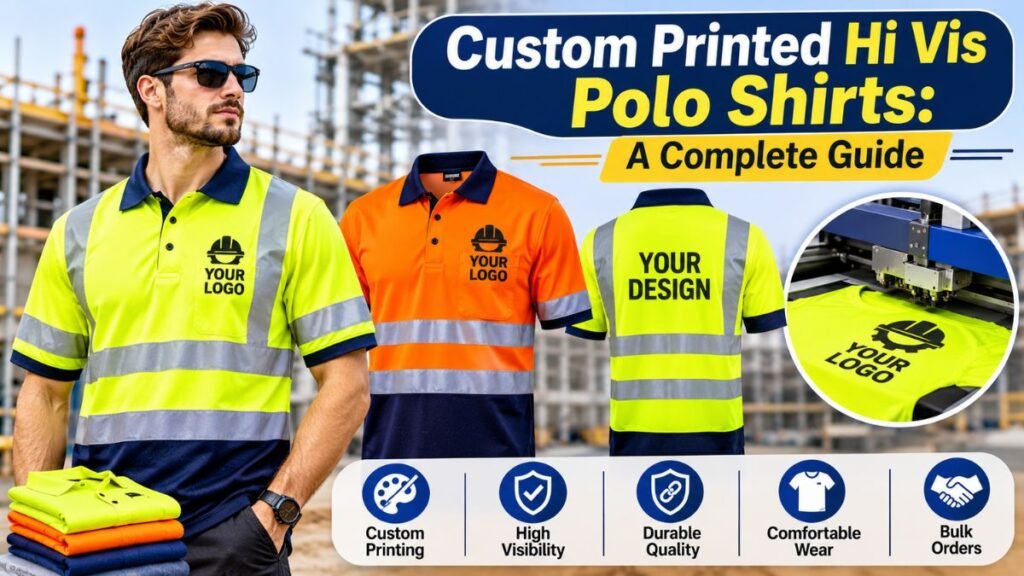
Man wearing a custom-printed yellow and navy hi-vis polo shirt with "YOUR LOGO" on the chest, standing at a construction site beside examples of orange and yellow branded polo shirts, a textile printer in action, and icons for custom printing, high visibility, durability, comfort and bulk orders.

Custom Printed Hi Vis Polo Shirts: A Complete Guide

Custom printed hi vis polo shirts combine workplace visibility with professional branding. They help employees stay noticeable while representing their company. Businesses can customize these shirts with logos, names, colors, and other design details. These garments are popular in construction, logistics, manufacturing, transport, maintenance, and many other industries. They offer a practical option for teams

Custom Printed Hi Vis Polo Shirts: A Complete Guide Read More »

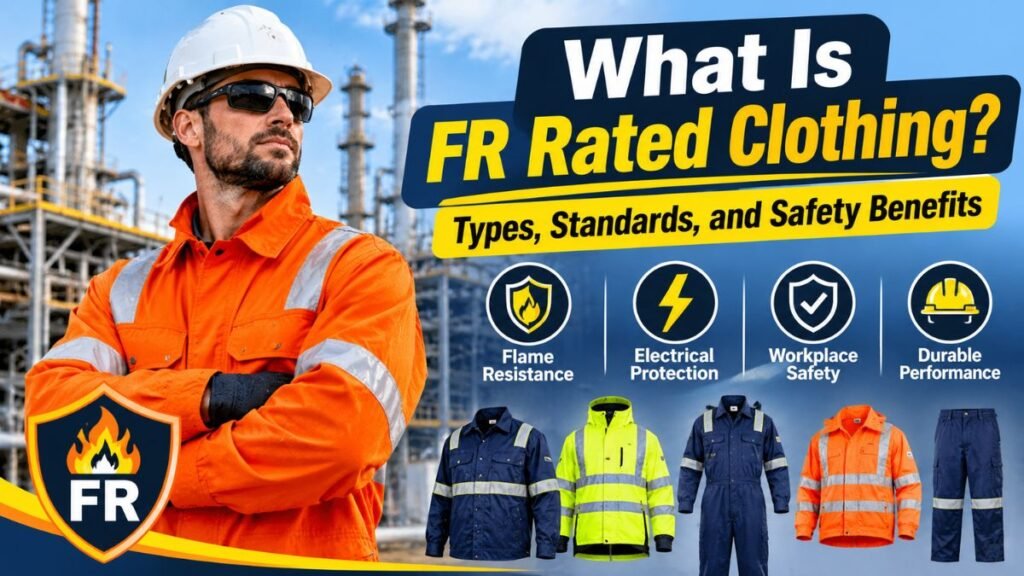
Man in an orange FR-rated jacket and white hard hat standing before an industrial plant, with icons for flame resistance, electrical protection, workplace safety, and durable performance, plus samples of navy and hi-vis FR garments, under the headline "What Is FR Rated Clothing? Types, Standards, and Safety Benefits."

What Is FR Rated Clothing? Types, Standards, and Safety Benefits

Workplace safety is important in industries where workers face heat, flames, and electrical hazards. In these environments, suitable protective clothing can help reduce serious injuries. One important type of protective equipment is flame-resistant clothing. But what is FR rated clothing, and how does it protect workers? FR stands for flame resistant. FR-rated clothing is made

What Is FR Rated Clothing? Types, Standards, and Safety Benefits Read More »

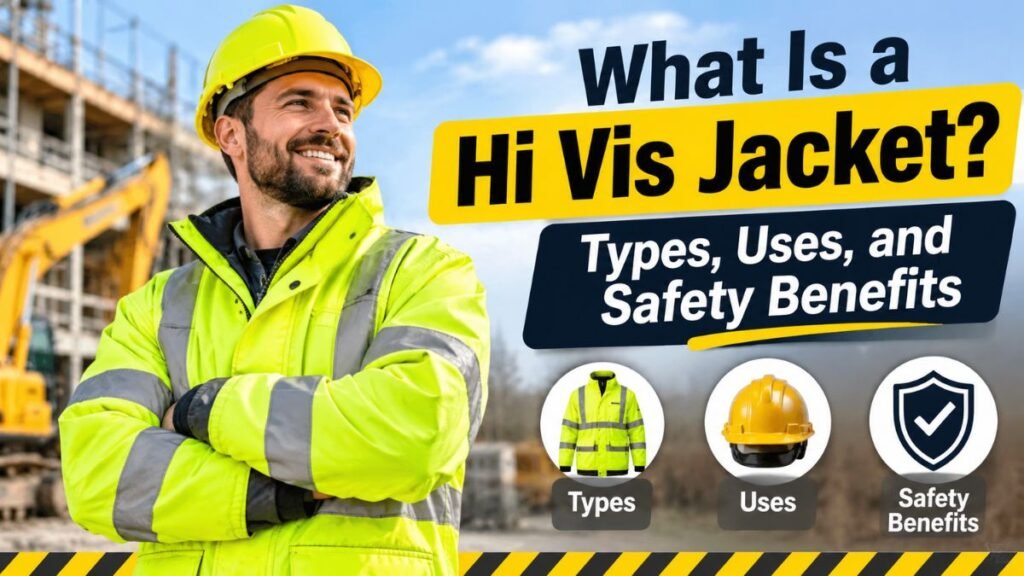
Construction worker wearing a hi vis jacket and yellow hard hat on a building site, with the heading "What Is a Hi Vis Jacket? Types, Uses, and Safety Benefits."

What Is a Hi Vis Jacket? Types, Uses, and Safety Benefits

Workplace safety is important in industries where workers face moving vehicles, heavy machinery, and poor visibility. In these environments, suitable protective clothing helps reduce workplace risks. One essential item is a high-visibility jacket. But what is a hi vis jacket, and why do workers need one? A hi vis jacket is protective clothing designed to

What Is a Hi Vis Jacket? Types, Uses, and Safety Benefits Read More »

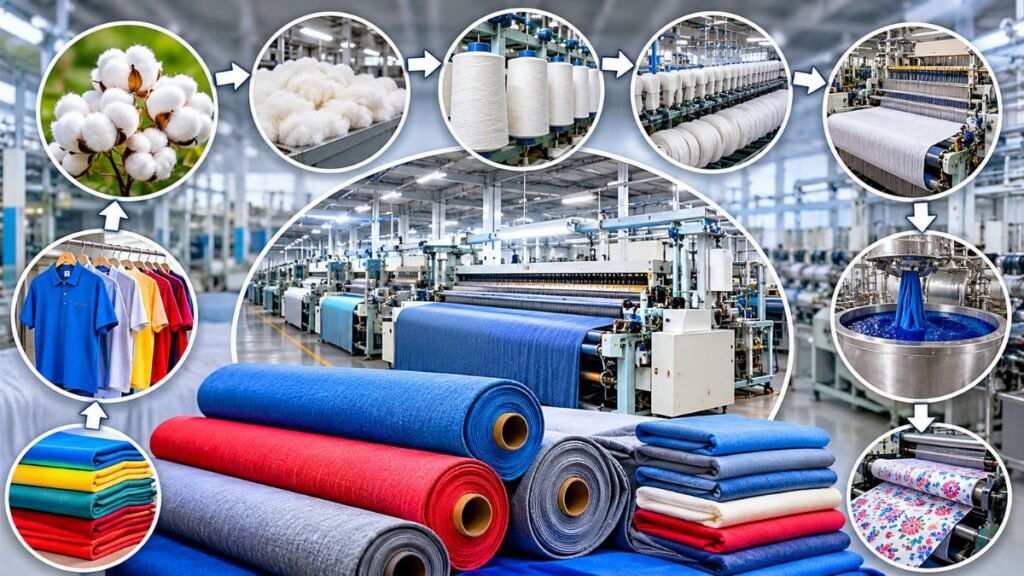
A circular infographic titled around the textile process showing how cotton becomes clothing — from cotton plants and ginned fibers, through spinning, weaving, dyeing, and pattern printing, to folded colorful fabrics and finished polo shirts, with a large textile factory floor at the center.

How Is Cloth Manufactured? A Complete Step-by-Step Guide

Cloth is an essential material used in everyday products. It is found in clothing, uniforms, bedding, curtains, furniture, and industrial textiles. However, few people understand how raw materials become finished cloth. The manufacturing process involves several important stages. It starts with selecting suitable raw fibers. Manufacturers then prepare these fibers and convert them into yarn.

How Is Cloth Manufactured? A Complete Step-by-Step Guide Read More »