
Custom Hi Vis Workwear Manufacturer
Negora Fist is an experienced workwear manufacturing company with 10 years of experience. We help businesses plan workwear requirements around garment design, fit, fabric selection, visibility features, and branding. Our focus is on practical workwear solutions designed around the needs of different jobs and working environments.
- 10 years of manufacturing experience
- Requirement-led customization
- Clear garment specifications
Whether you are sourcing high visibility workwear for construction teams, contractors, industrial operations, or workwear distribution, clear specifications are essential. They help align the finished garments with your intended use, purchasing requirements, and company identity.
Discuss your hi vis workwear project with Negora Fist. Share your preferred garment styles, design references, size requirements, branding details, and applicable safety standards to discuss a suitable manufacturing specification and request a quote.
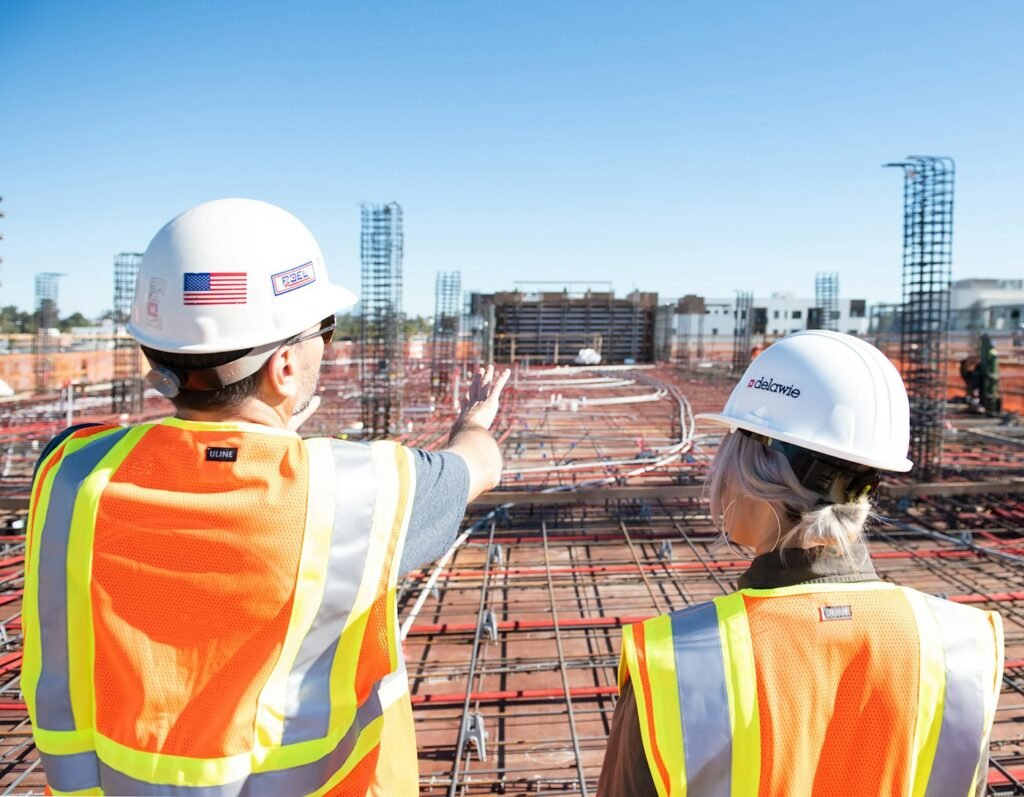
High Visibility Workwear Designed Around Your Requirements
High visibility workwear helps make workers more noticeable in environments where vehicles, moving equipment, poor lighting, or changing weather can affect visibility. Depending on the application, garments may use fluorescent background materials, retroreflective elements, or a combination of both.
Choosing the right garment involves more than selecting a bright color. Buyers should consider the work environment, required visibility class, fit, fabric performance, layering needs, and relevant safety requirements.
As a workwear manufacturing partner, Negora Fist understands the importance of defining these details before production. With 10 years of workwear manufacturing experience, we recognize why clear specifications matter when businesses source garments for individual workers or larger uniform programs.
Our approach starts with understanding your requirements and identifying the garment features that need to be included in the product specification.
Our High Visibility Clothing Range
Different jobs require different garment types. Some workers need lightweight clothing for warmer conditions, while others need outerwear that accommodates rain, wind, or colder temperatures.
Explore the following high visibility clothing categories when planning your workwear requirements.

Custom Hi Vis Jackets
Custom hi vis jackets are useful for outdoor teams, construction crews, road maintenance personnel, and other workers who need a visible outer layer.
When specifying custom hi vis jackets, consider the intended working conditions, jacket length, sleeve design, closure type, pocket placement, and compatibility with other workwear layers. Fabric weight and construction should match the expected level of use.
Depending on the design, buyers may also need to specify reflective tape placement, contrasting panels, cuffs, adjustable hems, or detachable components.
For weather-exposed jobs, define whether the jacket requires water resistance, waterproof construction, or additional insulation. These are different requirements and should not be treated as interchangeable.

Hi Vis T Shirts and Polo Shirts
A hi vis T shirt can be suitable for workers who need a lightweight garment during active tasks or warmer weather. Short-sleeve and long-sleeve designs offer different coverage options.
When selecting high visibility shirts, consider breathability, fabric weight, fit, moisture management, and ease of movement. The fabric and garment design should suit the expected work intensity and care requirements.
Businesses can also specify collar styles, sleeve lengths, chest pockets, contrasting panels, and branding placement where appropriate.
If the garment must meet a particular visibility standard, its complete design and reflective layout must be assessed against the applicable requirements. A bright shirt alone does not establish compliance.

Hi Vis Coats and Waterproof Hi Vis Coats
A hi vis coat can provide additional coverage for outdoor workers exposed to changing weather. Longer designs may suit jobs where greater body coverage is preferred.
Waterproof hi vis coats require particular attention to fabric construction, seams, closures, and the design of the hood and cuffs. A waterproof fabric does not automatically mean that the finished garment is fully waterproof.
Buyers should specify the expected rain exposure, breathability requirements, insulation needs, garment length, and layering preferences.
Where visibility is a safety requirement, the coat must also be designed for the appropriate visibility standard and intended working environment. Confirm product-specific performance and documentation before treating a garment as compliant protective equipment.

Hi Vis Work Trousers
Hi vis work trousers are relevant to construction, road maintenance, utilities, logistics, and other occupations where lower-body visibility may be required.
A practical trouser specification should define the waist design, fit, leg length, pocket configuration, closure, fabric composition, and reinforcement requirements.
Depending on the job, buyers may consider cargo pockets, tool pockets, reinforced knees, adjustable hems, or compatibility with knee pads. Reflective elements should be positioned according to the intended visibility requirements.
For workers operating outdoors, also consider abrasion resistance, ease of movement, laundering, and the effect of repeated wear on the garment’s appearance and performance.

Coordinated Hi Vis Workwear Sets
Some businesses prefer coordinated garments to create a consistent workwear program across teams or departments.
A coordinated set may combine shirts, trousers, jackets, coats, or other specified garments. The final combination should reflect the workers’ tasks, environmental conditions, sizing requirements, and applicable safety standards.
Before placing a bulk order, document the specifications for each garment separately. This helps reduce confusion about fabrics, colors, measurements, reflective layouts, and branding across the range.
Why Choose Negora Fist as Your Hi Vis Workwear Manufacturer?
Selecting a high visibility workwear manufacturer is a purchasing decision that affects product consistency, usability, and the ability to meet your organization’s requirements.
Negora Fist brings 10 years of workwear manufacturing experience to conversations about garment specifications and customization. We focus on helping buyers define what their workwear needs to achieve before they request a quote.

10 Years of Workwear Manufacturing Experience
Workwear requirements vary by occupation, environment, and frequency of use. A garment designed for a warehouse may need different features from one intended for outdoor construction work.
Our experience informs a practical approach to discussing fabric selection, fit, garment construction, visibility features, and intended use. The goal is to establish a clear specification rather than rely on a generic product description.
Requirement-Led Customization
Custom workwear starts with understanding the garment you need. Design references, technical drawings, measurements, fabric requirements, and branding instructions can help communicate your expectations.
The available customization methods should be confirmed for the selected garment and order. Buyers should document logo artwork, color references, label requirements, pocket details, and packaging instructions where relevant.
Clear Garment Specifications
A detailed specification gives both the buyer and manufacturer a common reference. It should cover the garment design, material, measurements, construction details, visibility features, and applicable performance requirements.
Written specifications are especially important for repeat orders. They help buyers compare new production against the approved design and identify any changes that require review.
Practical Sourcing Guidance
A low initial price does not necessarily represent the best overall value. Fabric durability, fit, laundering requirements, construction, and replacement frequency can affect the cost of operating a workwear program.
We encourage buyers to evaluate these factors alongside the quotation, minimum order quantity, sample arrangements, production schedule, and delivery terms.
How to Specify Custom High Visibility Workwear
Before requesting a manufacturing quote, prepare the key information needed to describe your project.
Identify the Work Environment
Explain where the garments will be used and what workers do during their shifts. Relevant details may include road traffic, moving machinery, indoor operations, outdoor exposure, temperature, and expected rain conditions.
This information helps define the garment’s functional requirements. It also helps identify which safety standards or workplace rules need to be checked.
Select the Garment Types
List the products you need, such as hi vis T shirts, jackets, coats, work trousers, or coordinated sets.
Include the intended quantity for each style and any differences between departments or job roles. If you are replacing existing garments, reference photographs or approved samples can help communicate the design.
Define Fabric and Construction Requirements
Specify the required fabric composition, weight, color, fit, and care requirements wherever these are known.
Also identify construction details such as seams, closures, pockets, reinforcement, cuffs, and adjustable features. The selected materials should suit the garment’s intended use rather than being chosen on price alone.
Confirm Visibility Requirements
Identify the safety standard, garment type, and visibility class required for the intended workplace and destination market.
For example, buyers in the United States may need to assess ANSI/ISEA 107 requirements, while buyers in the United Kingdom and other markets may need to consider EN ISO 20471 or other applicable requirements.
The correct choice depends on the job, risk assessment, and governing rules. Confirm the applicable edition, product classification, and evidence required before production.
Provide Branding and Sizing Details
Supply the approved logo artwork and indicate its intended placement. Specify the required sizes, size quantities, measurement chart, and any special fit requirements.
If the order includes custom labels, printed graphics, or packaging, include those details in the project specification.
Review the Quote and Sample Requirements
Ask the manufacturer to clarify the quoted garment specification, minimum order quantity, sample costs, production schedule, payment terms, and shipping arrangements.
Where sampling is available, review the sample for measurements, fit, materials, construction, branding, and visibility features. Approve the final specification in writing before bulk production proceeds.
High Visibility Workwear Standards and Safety Considerations
High visibility workwear is intended to help workers stand out against their surroundings. However, a garment’s appearance alone cannot establish that it meets a safety standard.
The appropriate requirements depend on the country, industry, task, and hazards present.

ANSI/ISEA 107
ANSI/ISEA 107 is a US standard covering high-visibility safety apparel and accessories. Buyers should check the applicable edition and the garment type and performance class required for the intended work.
EN ISO 20471
EN ISO 20471 addresses high-visibility clothing for professional use. The relevant classification depends on factors such as the garment’s design, visible background material, and retroreflective material.
Buyers should verify the applicable requirements for their market and workplace instead of assuming that every fluorescent garment with reflective tape qualifies.
Fluorescent Material and Retroreflective Tape
Fluorescent material helps increase visibility in daylight and some low-light conditions by making use of available light. Retroreflective material returns light toward its source, such as vehicle headlights, helping the wearer become more noticeable in darkness when illuminated.
These materials serve different functions. Their selection and placement must match the intended garment design and applicable standard.
Product-Specific Compliance
If a garment must comply with a particular standard, request the relevant technical documentation and test evidence for the exact product. Check that the documentation applies to the garment being purchased.
Do not assume that custom branding, altered fabric, modified reflective tape, or a change in garment construction leaves an existing approval unaffected. Any required changes should be reviewed before production.
High visibility clothing also does not replace safe working procedures, appropriate lighting, traffic controls, training, or other workplace protections.
How to Choose a High Visibility Workwear Manufacturer
Comparing manufacturers involves more than reviewing product photographs and headline prices. Buyers should assess whether the supplier can understand, document, and deliver the required specification.
Use the following checklist when evaluating a potential manufacturing partner:
Relevant experience
Ask about experience with the specific type of workwear you require.
Product capabilities
Confirm which garments, fabrics, construction details, and customization options are available.
Specification review
Check whether the supplier can review technical drawings, measurements, and written requirements.
Safety documentation
Request applicable test reports and compliance evidence where required.
Sampling arrangements
Clarify whether samples are available, what they cost, and how approvals are documented.
Quality expectations
Agree on measurements, acceptable tolerances, materials, workmanship, and any inspection criteria.
Order requirements
Confirm minimum quantities, size breakdowns, repeat-order expectations, and production timing.
Commercial terms
Review pricing, payment conditions, packaging, shipping, and responsibilities for delivery.
Communication
Make sure product questions, changes, and approvals can be documented clearly.
A manufacturer should be evaluated against your actual needs. The most suitable partner is one whose confirmed capabilities, documentation, commercial terms, and product specification fit your project.
Request a Quote for Custom Hi Vis Workwear
Planning a high visibility workwear order? Negora Fist can discuss your requirements using our 10 years of workwear manufacturing experience.
To help define your project, provide the following information when requesting a quote:
- Garment types, including jackets, T shirts, coats, and trousers.
- Estimated quantities and required size breakdowns.
- Fabric preferences, colors, and construction details.
- Logo artwork, branding instructions, and label requirements.
- Intended work environment and required safety standards.
- Target market, delivery destination, and requested timeline.
The more clearly your requirements are documented, the easier it is to assess the project and identify the details that need confirmation.
Contact Negora Fist to discuss your hi vis workwear specifications and request a manufacturing quote.
Frequently Asked Questions
What does a hi vis workwear manufacturer do?
A hi vis workwear manufacturer produces or develops garments designed to improve worker visibility in relevant working environments. Depending on its confirmed capabilities, a manufacturer may help with garment specifications, fabrics, reflective elements, construction, sizing, branding, and production planning.
What types of high visibility clothing can businesses source?
Common categories include hi vis T shirts, polo shirts, jackets, coats, trousers, vests, and coveralls. The available range varies by manufacturer, so confirm which garments and customization options are offered for your project.
Can I customize hi vis jackets with my company branding?
Custom branding may include logos, labels, and other approved design details. Confirm the available branding methods and placement options with the manufacturer. Any change that could affect a garment’s safety performance or compliance should be reviewed before approval.
What is the difference between a hi vis jacket and a waterproof hi vis coat?
A hi vis jacket is a broad garment category intended to provide a visible outer layer. A waterproof hi vis coat is designed to provide rain protection as well as the required visibility features. Buyers should verify the actual waterproof performance and visibility documentation rather than infer either from the garment’s appearance.
How do I choose hi vis work trousers?
Consider the required visibility classification, fabric durability, fit, mobility, pocket layout, reinforcement, and care instructions. The work environment and applicable safety requirements should guide the final specification.
Is all high visibility clothing compliant with safety standards?
No. Bright colors or reflective tape alone do not prove compliance. Buyers should confirm the relevant standard, garment classification, and product-specific documentation for the intended market and workplace.
What information should I provide to request a bulk workwear quote?
Provide garment types, quantities, size breakdowns, material requirements, design references, branding artwork, applicable standards, and delivery details. Also clarify your target schedule and any sample requirements.
Why are garment samples important before bulk production?
Samples give buyers an opportunity to assess fit, measurements, fabric, construction, and branding before approving the final specification. Written approval helps establish a reference for the bulk order and future repeat orders.
More Hi Vis Guides
- Class 1 safety vests: requirements, features and uses
- Class 3 long sleeve safety shirts
- What is a hi vis jacket? Types, uses and safety benefits
- The American national standard for high visibility safety apparel and headwear
Hi Vis Products
- Hi-vis surveyor’s vest
- Knitted high vis jacket
- Hi-vis premium shell jacket
- Hi-vis air mesh jacket
- Hi-vis shell pants
- Hi-vis short sleeved T-shirt
- CSA hi-vis T-shirt
- Hi-vis zip sweatshirt