
Protective Workwear Manufacturer for Industrial Teams
Negora Fist is a protective workwear manufacturer with 10 years of workwear manufacturing experience. We build garments around your job roles, working environments, fit, construction details, and applicable safety requirements.
- 10 years of workwear manufacturing experience
- Specification-focused planning
- Custom designs, branding & labels

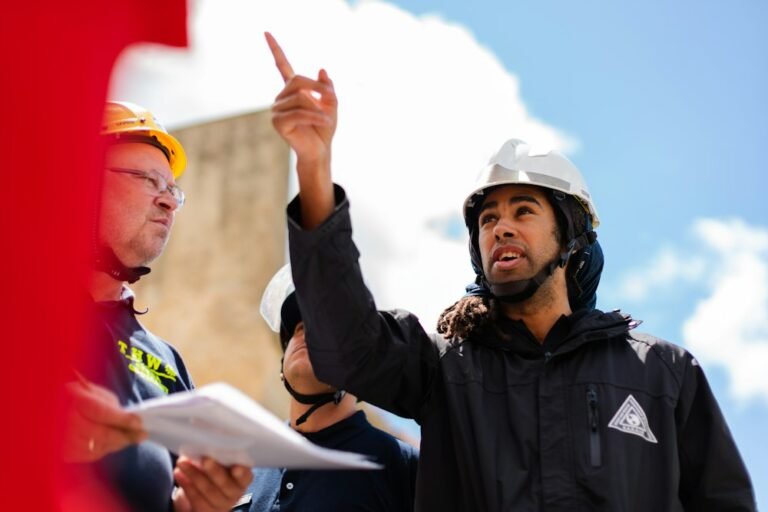

Protective workwear should be specified around the tasks employees perform and the conditions they face. Material selection, construction, fit, coverage, durability, and care all affect the suitability of protective clothing.
We help industrial teams, contractors, construction businesses, and workwear distributors define clear specifications and discuss suitable manufacturing options.
Planning a protective workwear order? Contact Negora Fist to discuss your garment specifications and request a quote.
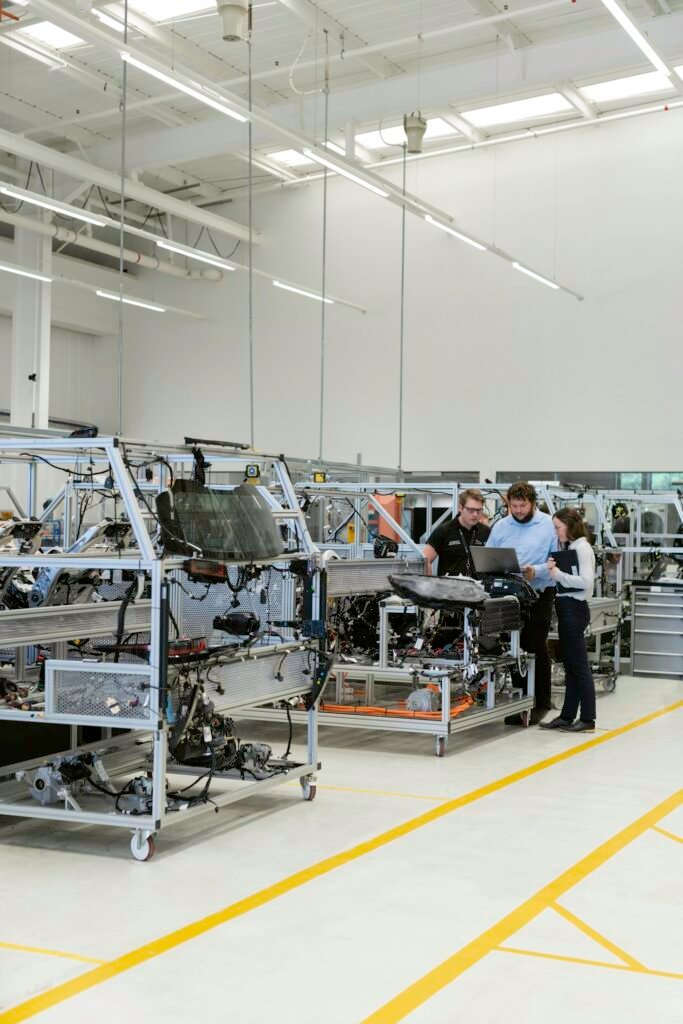
Protective Workwear Designed Around Job Requirements
Protective workwear is clothing designed for specific workplace needs. Depending on the application, it may provide coverage, visibility, weather protection, or specialized protection against identified hazards.
Not all workwear offers the same protection. A standard industrial uniform should not be treated as flame-resistant clothing or chemical-protective apparel.
Start by identifying the working environment, hazards, workplace rules, coverage, material properties, and any required testing or certification. With 10 years of experience, Negora Fist helps you turn these requirements into a clear specification before production.
Types of Protective Clothing for Different Industries
The right protective clothing depends on the job, working environment, required protection, and applicable standards.
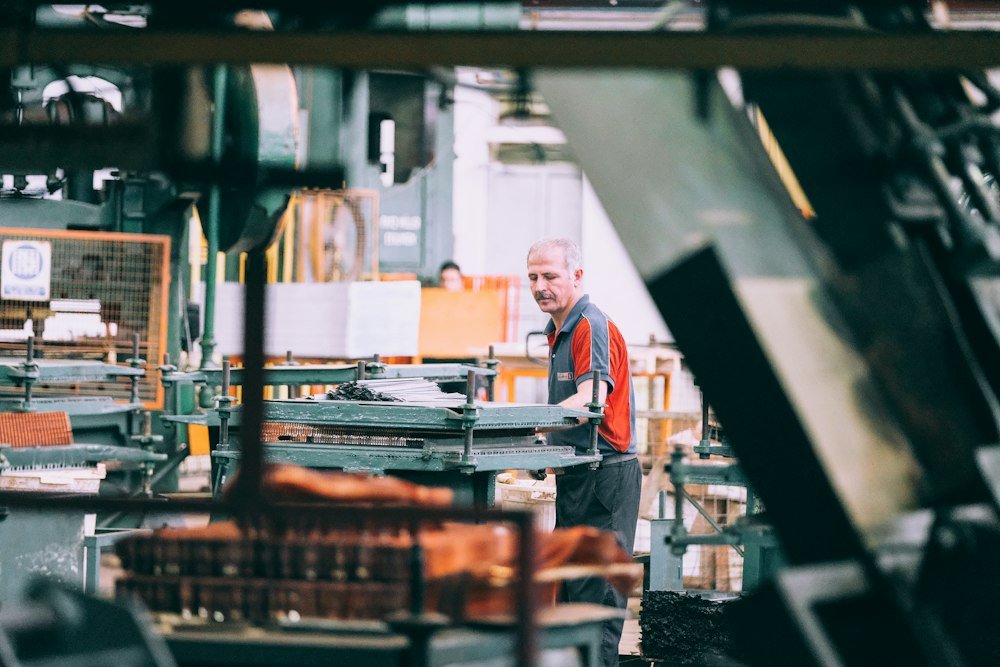
Industrial Protective Workwear
Industrial workers need garments that handle frequent use, repeated laundering, and demanding tasks, with durable construction, comfortable fits, and functional pockets.
Fabric composition, weight, weave, seams, and reinforcement all influence performance. Ordinary industrial clothing does not automatically resist heat, chemicals, electrical, or mechanical hazards, so specify any protective properties separately.
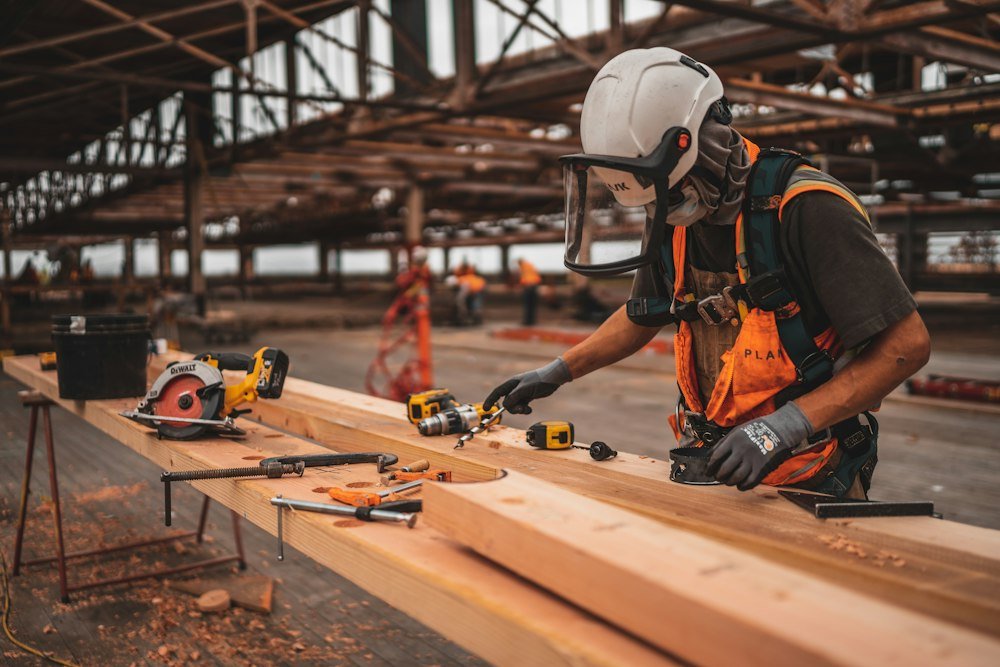
Construction Protective Clothing
Construction teams need workwear that supports movement, outdoor exposure, and tool storage, with reinforced areas, practical pockets, and adjustable closures compatible with other protective equipment.
Where high visibility is needed, specify the garment classification and reflective features. Additional hazards require selection based on the relevant risk assessment.
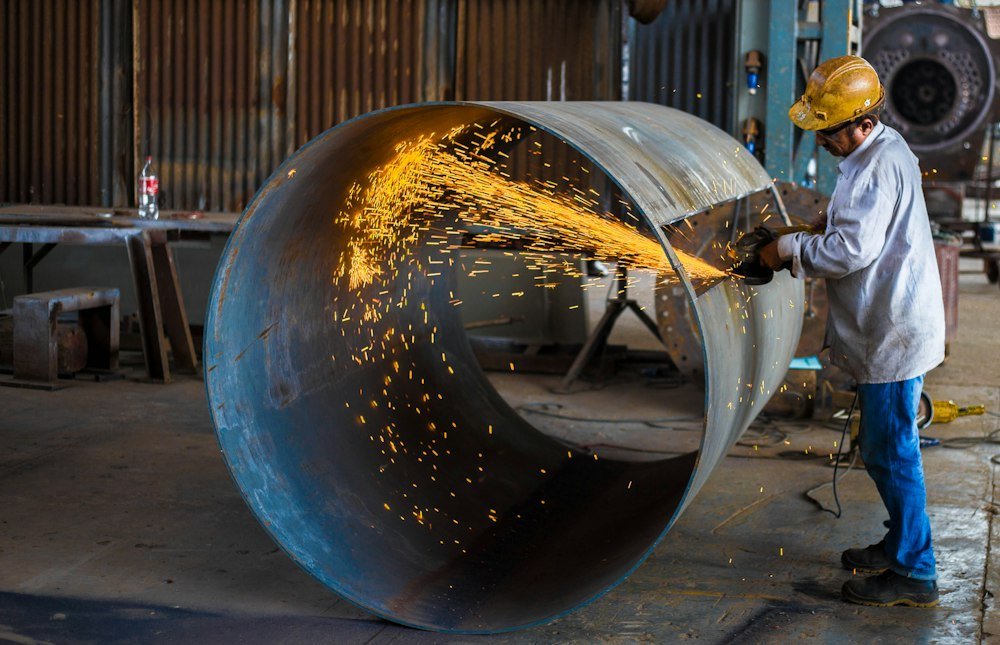
Protective Workwear for Manufacturing and Engineering
These environments can involve machinery, moving parts, heat, or sharp materials. General tasks prioritize fit, mobility, and durable seams, while specialized operations may need verified protective properties.
Identify the hazards first, then confirm materials and performance evidence rather than relying on labels such as heavy-duty workwear.
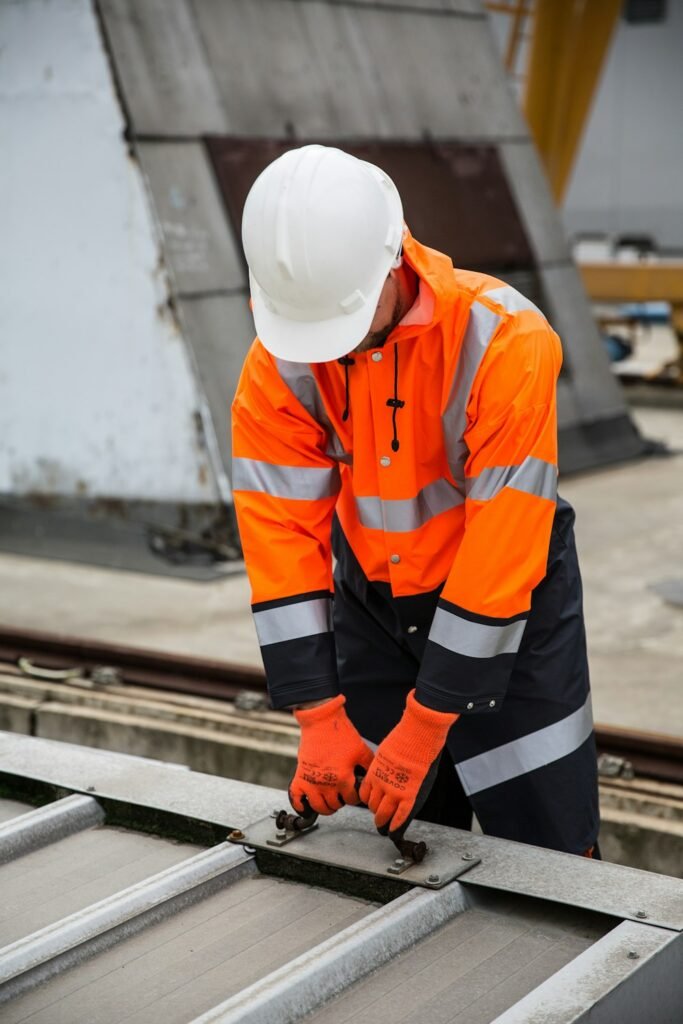
Protective Clothing for Outdoor Work
Outdoor workers may need water-resistant or waterproof materials, breathable construction, insulation, adjustable cuffs, and layering options.
These features differ: water resistance is not waterproofing, and insulation does not cover every cold-weather hazard. Describe your actual conditions so garments are specified correctly.
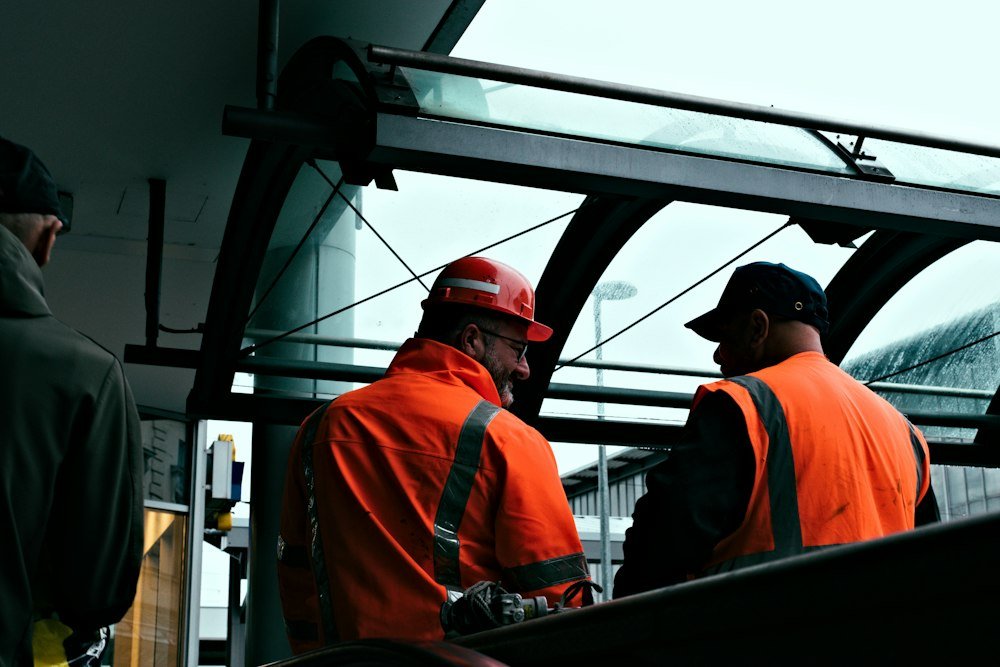
High Visibility and Protective Apparel
High visibility clothing keeps workers noticeable in road work, construction, and logistics. Fluorescent materials and retroreflective elements serve different functions and must match the relevant standard.
Confirm the required classification and product documentation before production.
What Should You Look for in Protective Apparel?
Selecting protective apparel involves balancing job suitability, comfort, durability, and the required level of protection.
Fabric Selection
Choose fabric by intended use, considering composition, weight, weave, stretch, breathability, and care. Fabric weight alone does not prove abrasion, flame, or chemical resistance, so request product-level evidence for any protective property.
Fit and Freedom of Movement
Workwear should allow safe, unrestricted movement and work with other protective equipment. Define the size range, measurement chart, and fit preference before production.
Construction and Reinforcement
Seams, closures, pockets, hems, and reinforcement shape daily performance. Reinforce high-abrasion areas and place pockets where they support the task without adding bulk.
Comfort and Breathability
For long or physically demanding shifts, consider breathability, garment weight, ventilation, and working temperature, balancing comfort with the required protection.
Care and Maintenance
Washing temperatures, detergents, and drying methods can affect garment life and protective performance. For certified protective garments, follow the care and inspection requirements of the exact product.
Custom Protective Workwear Manufacturing
Custom protective workwear lets businesses specify garments around operational requirements and company identity. Available options depend on the product, material, and construction.
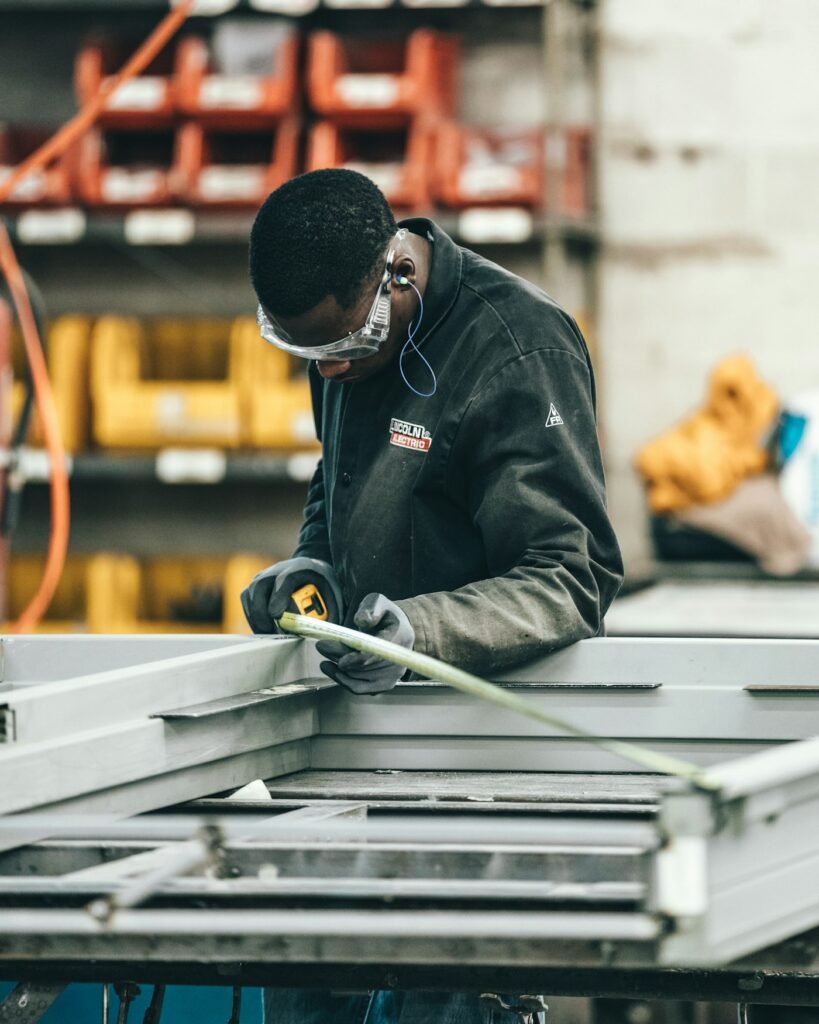
Custom Garment Designs
Share design references or technical specifications covering shape, fit, coverage, pockets, and closures. Clear documentation reduces ambiguity during sampling.
Company Branding and Labels
Add logos, labels, and coordinated designs across your workforce. Any change to a protective garment should be reviewed, as unassessed modifications may affect coverage, performance, or compliance.
Size Ranges and Order Planning
Prepare a size breakdown for each style and department. For repeat orders, keep the approved design, measurements, materials, and branding files as a reference.
Sampling and Specification Approval
Use samples to check fit, construction, materials, and branding. For protective apparel, also confirm product-specific performance and document approved revisions before bulk production.
Protective Workwear Supplies for Business Buyers
Buying protective workwear supplies works best as a consistent process: identify employee roles, hazards, garment types, and usage, then define specifications, quantities, documentation, and commercial terms.
When evaluating protective workwear supplies, consider:
Product suitability
Does the garment match the actual job and working environment?
Required protection
Are the relevant protective properties supported by suitable evidence?
Material specifications
Are the fabric composition, construction, and care requirements clearly defined?
Fit and sizing
Can the garments accommodate the intended workforce?
Customization
Are the required colors, logos, labels, and functional details available?
Quality expectations
Are measurements, workmanship requirements, and acceptance criteria documented?
Order planning
Are quantities, size breakdowns, sampling, and production expectations clear?
Commercial terms
Are pricing, payment, packaging, and shipping responsibilities understood?
Comparing suppliers against the same specification provides a more meaningful basis for purchasing decisions than comparing headline prices alone.
Why Choose Negora Fist as Your Protective Workwear Manufacturer?
Negora Fist brings 10 years of workwear manufacturing experience to garment design, materials, construction, sizing, and order specifications.
Workwear Manufacturing Experience
A garment suited to warehouse work may not suit chemical, heat, or electrical hazards. We help define these differences before an order proceeds.
Specification-Focused Planning
Specifications covering materials, measurements, construction, care, and protective standards give you a consistent reference for samples and repeat orders.
Practical Product Selection
The right garment depends on the working environment and required performance, not appearance. Specialized protective properties are confirmed through proper documentation.
Business-Oriented Communication
Sharing design references, drawings, size breakdowns, and required standards upfront makes it easier to discuss options, quantities, and commercial terms.
Negora Fist welcomes inquiries from businesses seeking to discuss their workwear requirements and evaluate suitable manufacturing options.
Protective Clothing and PPE Compliance
Personal protective equipment (PPE) reduces exposure to workplace hazards, and protective clothing may form part of a PPE system. No single garment addresses every hazard, so selection depends on the exposure, task, wearer, and applicable regulations.
Identify the Workplace Hazards
Identify hazards such as chemical exposure, heat, flames, and electrical or mechanical risks. Let the hazard assessment, not a supplier’s label, determine the protective properties you need.
Verify Applicable Standards
Requirements vary by product, hazard, industry, and market. Flame-resistant, chemical-protective, electrostatic, and high visibility properties are not interchangeable, so suitability must be supported by evidence for the actual product.
Check Product Documentation
Request technical documentation, test reports, and certification covering the exact product, materials, and performance, and ask whether branding or construction changes could affect compliance. For US workplaces, OSHA provides guidance on PPE selection, hazard assessment, fit, maintenance, and training.
Protective clothing is one part of a workplace safety program and does not replace hazard controls, safe procedures, or worker training.
How to Request a Protective Workwear Manufacturing Quote
Prepare the information that best describes your protective workwear project.
Identify your garment requirements
List the garment types and explain their intended applications.
Define the working environment
Describe the tasks, conditions, and hazards that influence material selection and garment design.
Share technical specifications
Provide fabric preferences, measurements, construction details, drawings, or reference photographs where available.
Confirm protective requirements
Identify the relevant standards, required performance, and documentation needed for the intended market.
Provide order details
Include estimated quantities, size breakdowns, customization requirements, and your requested schedule.
Discuss commercial terms
Ask about available product options, minimum quantities, samples, pricing, production expectations, and delivery arrangements.
Once requirements are clear, we assess the proposed garment specification and confirm any open details.
Contact Negora Fist to discuss your protective workwear requirements and request a quote.
What does a protective workwear manufacturer do?
A protective workwear manufacturer develops and produces work garments to specified design, material, construction, and functional requirements, and may support customization, sampling, and branding. Specialized protective claims require product-specific evidence.
What is the difference between protective workwear and ordinary workwear?
Ordinary workwear focuses on comfort and practical function. Protective workwear is specified for particular safety requirements. Not every workwear garment qualifies as certified PPE.
What types of protective clothing can businesses source?
Common categories include industrial workwear, high visibility garments, weather-protective clothing, flame-resistant clothing, and chemical-protective apparel. Each product must be assessed against its intended use.
Can protective apparel be customized with company branding?
Yes, through approved logos, labels, and design details, depending on the product. Changes that may affect protective performance or compliance must be reviewed before approval.
How do I choose protective clothing suppliers?
Compare suppliers against the same garment specification, reviewing capabilities, materials, documentation, sampling, quality expectations, and commercial terms.
What should I check before purchasing protective workwear supplies?
Confirm intended use, protective properties, fit, materials, care instructions, applicable standards, and documentation, plus quantities, sizes, customization, and supply terms.
Does all protective workwear require certification?
No. Requirements depend on the intended use, hazards, regulations, and product claims. Where certification is required, verify the documentation for the exact garment.
Why are garment specifications important for bulk orders?
Specifications set a common reference for materials, measurements, construction, and branding, helping you review samples and compare repeat orders against the agreed design.
How can I request a quote from Negora Fist?
Share your garment types, working environment, quantities, sizes, design references, customization needs, and applicable standards. We will then discuss your requirements and next steps for a manufacturing quotation.
More Protective Workwear Guides
- Washing flame resistant clothing: a complete care guide
- NFPA 70E arc flash clothing requirements
- OSHA rules on FR clothing
- Nomex fire retardant fabric: properties, uses and benefits
- Type 5/6 coverall meaning: a guide to protection