
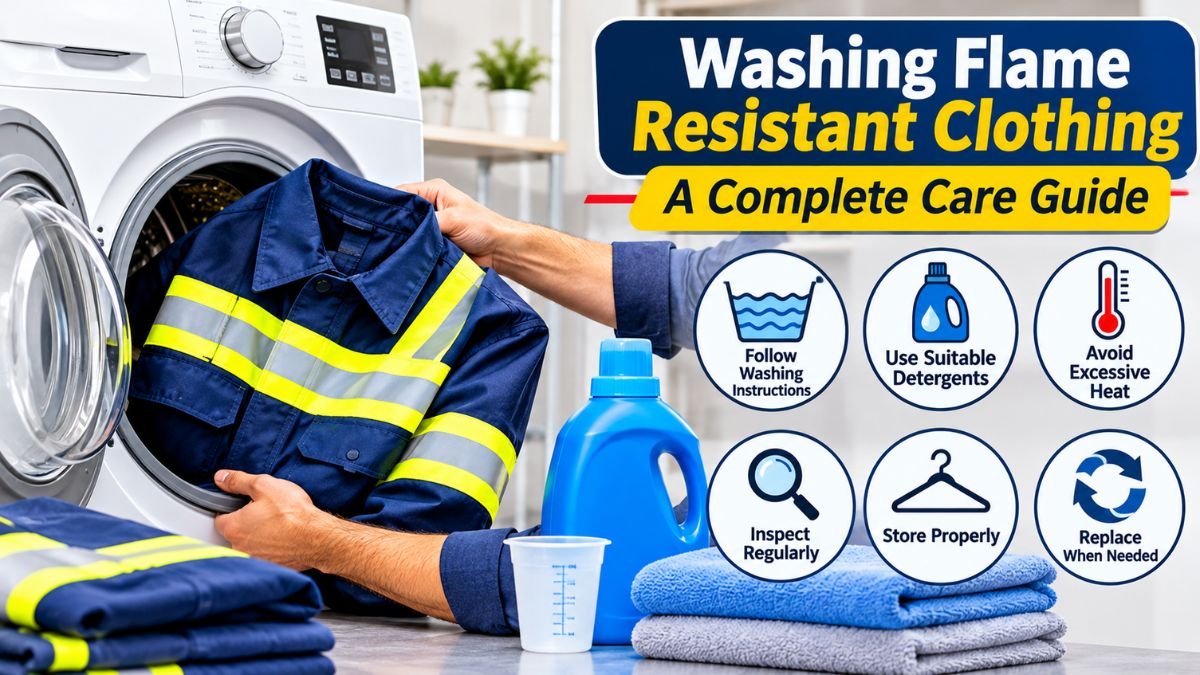
Flame-resistant clothing helps protect workers from heat, flames, and potential fire hazards. It is commonly used in industries such as oil and gas, electrical work, welding, and manufacturing.
However, proper care is essential to maintain its protective performance. Washing flame resistant clothing incorrectly can damage the fabric or affect its safety features.
Many workers wonder how often they should wash FR garments. They also want to know which detergents and washing methods are safe.
The good news is that caring for flame-resistant garments is simple when you follow the correct instructions. You need to understand the fabric, choose suitable cleaning products, and use proper drying methods.
This guide explains everything about washing flame resistant clothing. It covers washing temperatures, detergents, drying methods, stains, and common mistakes.
Whether you wear FR shirts, pants, jackets, or coveralls, these tips can help you maintain your workwear.
Planning FR garments for your team? Explore our protective workwear manufacturing services, see the FR collared shirt, and learn what FR rated clothing is before you set a care routine.
Why Is Washing Flame Resistant Clothing Important?
Washing flame resistant clothing is important for both cleanliness and workplace safety. Work garments often collect sweat, dust, grease, oil, and other contaminants.
These substances can affect comfort and may create additional fire hazards. For example, oil and grease can burn even when the garment itself has flame-resistant properties.
Regular washing helps remove these contaminants. It also keeps garments comfortable and suitable for daily use.
Here are some important reasons to wash FR clothing regularly.
Removes Oil, Grease, and Workplace Contaminants
Workers often encounter oil, fuel, chemicals, and dirt during their daily tasks. These substances can remain on the garment after a work shift.
Some contaminants are flammable. Therefore, wearing contaminated clothing can increase potential fire risks.
Proper washing helps remove these materials. However, heavily contaminated garments may need special treatment or professional cleaning.
Maintains Fabric Performance
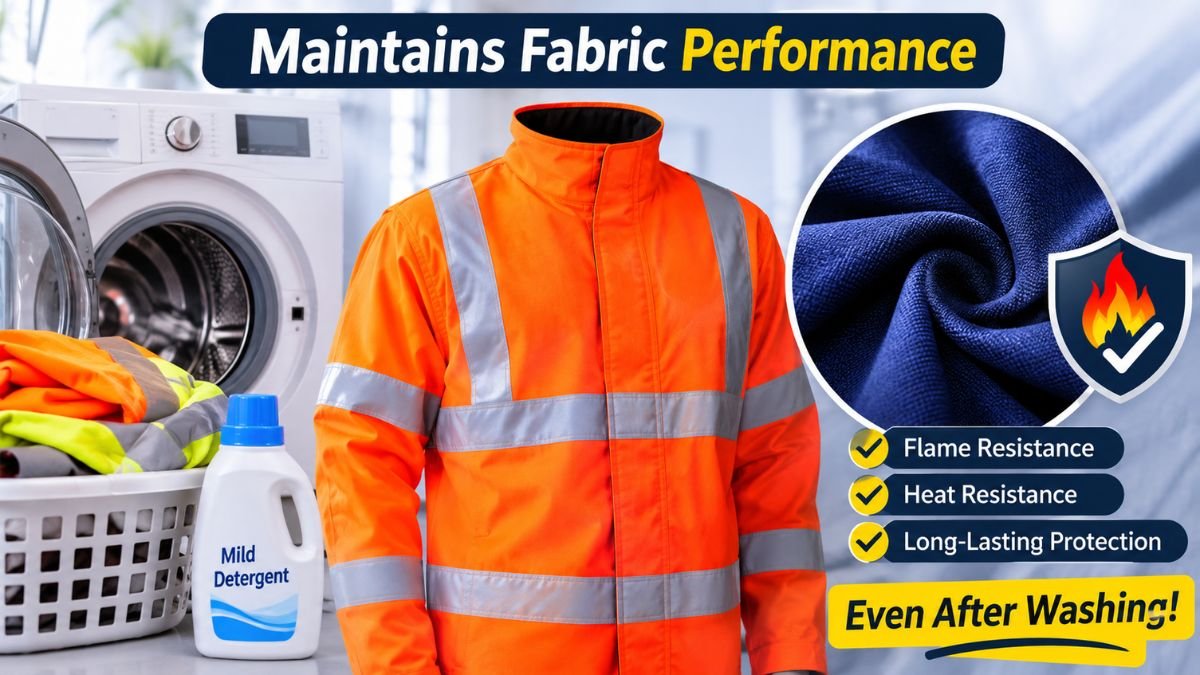
Flame-resistant garments are designed to provide protection against specific thermal hazards. Their performance depends on the fabric, construction, and protective technology.
Some FR fabrics have flame-resistant properties built into their fibers. Others receive a specialized flame-resistant treatment.
Incorrect cleaning can damage certain fabrics or finishes. Following the manufacturer’s care instructions helps maintain their intended performance.
Improves Comfort and Hygiene
Sweat and dirt can make workwear uncomfortable. They may also cause unpleasant odors during long shifts.
Regular washing removes accumulated sweat and dirt. It helps keep garments fresh and comfortable throughout the workday.
Clean clothing also supports better workplace hygiene.
Helps Extend Garment Lifespan
Workwear can become damaged through frequent use and improper washing. Excessive heat, harsh chemicals, and rough handling may weaken the fabric.
Using the correct washing process helps reduce unnecessary wear. It also helps garments maintain their shape and condition.
Understanding Different Types of Flame Resistant Clothing
Before washing FR garments, you should understand their material and construction. Different fabrics may require different cleaning methods.
The best approach is to check the garment label before washing it.
Inherent Flame Resistant Fabrics
Inherent flame-resistant fabrics have protective properties built into their fibers. These properties are part of the fiber structure.
They do not depend on a surface flame-resistant coating. Therefore, their flame-resistant characteristics are generally designed to remain through repeated laundering.
Common examples include garments made from specialized aramid fibers.
However, these garments still require proper care. Dirt, damage, and contamination can affect their overall protective performance.
Treated Flame Resistant Fabrics
Treated FR fabrics receive a chemical treatment to provide flame-resistant properties. Cotton is a common base material for these garments.
The treatment helps reduce ignition and limit flame spread. However, its durability depends on the specific fabric and manufacturing process.
Incorrect washing products may affect certain treatments. Always follow the manufacturer’s laundering instructions.
Blended Flame Resistant Fabrics
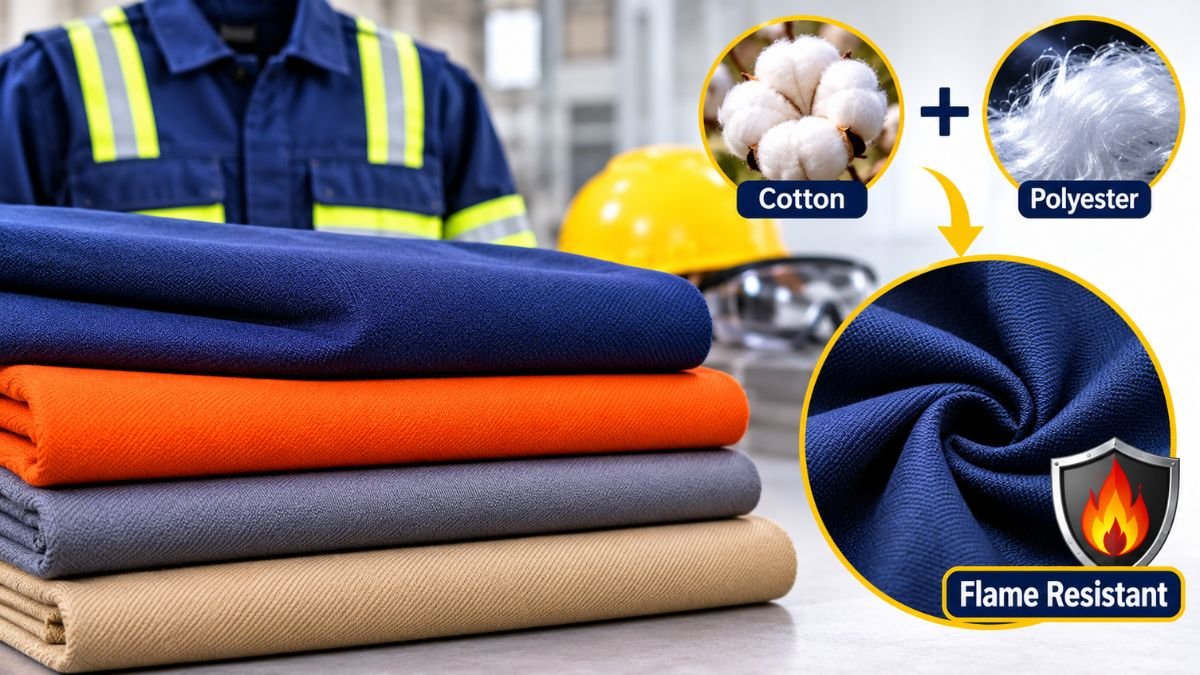
Some work garments combine different fibers to achieve specific performance characteristics.
These blends may offer improved comfort, durability, or moisture management.
Their washing requirements depend on the materials used. Always check the care label before selecting a washing cycle.
How to Prepare Flame Resistant Clothing Before Washing
Preparation is an important part of FR clothing washing. It helps prevent unnecessary fabric damage and improves cleaning results.
Before placing garments in the washing machine, follow these steps.
Read the Care Label
Start by checking the manufacturer’s washing instructions. The care label explains the recommended temperature, detergent type, and drying method.
Some garments require special washing conditions. Others can be cleaned using a standard machine cycle.
Never assume that every flame-resistant garment has identical care requirements.
Check for Visible Damage
Inspect your garments before washing them. Look for holes, tears, loose stitching, and damaged closures.
Pay special attention to areas that receive frequent friction. These include elbows, knees, pockets, and seams.
Damaged FR clothing may not provide its intended protection. Remove questionable garments from service until they are evaluated or repaired according to manufacturer requirements.
Empty All Pockets
Remove tools, papers, and personal items from every pocket.
Small objects can damage the washing machine or tear the fabric. They can also prevent proper cleaning.
Check all pockets carefully before starting the washing cycle.
Separate FR Clothing From Regular Laundry
Wash flame-resistant garments separately from ordinary clothing when the manufacturer recommends it.
This helps prevent contamination from incompatible detergents, fabric softeners, and other laundry products.
It also reduces the risk of transferring flammable residues from other garments.
Care rules depend on the fabric. If you are still comparing materials, read what fire resistant clothing is made of and the properties of Nomex fire retardant fabric, or see the OSHA rules on FR clothing that affect how garments are maintained.
Step-by-Step Guide to Washing Flame Resistant Clothing
Following a consistent washing routine helps protect your FR garments. It also helps remove dirt without unnecessary fabric damage.
Here is a simple process for washing flame resistant clothing correctly.
Step 1: Choose the Right Detergent
Choosing the correct detergent is one of the most important steps. Use a detergent approved by the garment manufacturer.
A suitable laundry detergent should clean the fabric effectively. It should also avoid damaging its protective properties.
Consider these detergent recommendations:
- Choose a mild or heavy-duty laundry detergent as recommended.
- Avoid chlorine bleach unless the manufacturer specifically permits it.
- Do not use fabric softeners unless the care instructions allow them.
- Avoid detergents containing incompatible additives.
- Never use products that leave oily or flammable residues.
Some laundry products can leave unwanted substances on FR fabrics. These residues may affect garment performance or increase contamination risks.
Step 2: Select the Correct Washing Temperature
Water temperature plays an important role in cleaning FR garments. It helps remove sweat, dirt, and other workplace contaminants.
However, extremely hot water may damage certain fabrics. Always follow the temperature instructions on the garment label.
Here are general temperature considerations:
- Cold water: Suitable for some lightly soiled garments.
- Warm water: Commonly suitable for everyday cleaning when permitted.
- Hot water: May help remove heavy soil when the manufacturer allows it.
Do not choose a temperature based on personal preference. Different FR materials have different washing requirements.
Step 3: Use the Correct Washing Machine Cycle
Select a washing cycle that matches the garment’s care instructions. A normal or permanent-press cycle may be suitable for some FR garments.
Avoid unnecessarily aggressive washing settings. Excessive mechanical action can increase fabric wear.
Follow these recommendations:
- Avoid overloading the washing machine.
- Allow enough space for garments to move.
- Select the recommended washing cycle.
- Use the correct detergent quantity.
- Check that all detergent is properly rinsed away.
Proper rinsing is especially important. Detergent buildup can leave unwanted residues on the fabric.
Step 4: Wash FR Garments Separately When Needed
Washing FR garments separately can help prevent unwanted contamination. This is especially important when other clothing contains grease, oil, or flammable substances.
For example, ordinary workwear may carry petroleum-based residues. These substances can transfer during washing.
Keep heavily contaminated garments separate. Follow the manufacturer’s instructions for handling and cleaning them.
Step 5: Rinse the Clothing Properly
Rinsing removes detergent and loosened dirt from the fabric. Incomplete rinsing may leave residues behind.
Use an additional rinse when the garment instructions recommend it. This can be helpful when garments are heavily soiled.
Make sure the clothing does not feel excessively slippery or contain visible detergent deposits.
Best Detergents for Washing Flame Resistant Clothing
Not every laundry product is suitable for flame-resistant garments. Some products contain additives that may leave unwanted residues.
Choosing the right detergent helps clean workwear safely. It also supports proper fabric maintenance.
Use Manufacturer-Approved Laundry Detergents
The safest option is a detergent recommended by the garment manufacturer. These recommendations account for the fabric and its protective technology.
A suitable detergent should remove ordinary workplace dirt. It should also rinse cleanly without leaving problematic residues.
Check the product label before using a new detergent.
Avoid Chlorine Bleach
Chlorine bleach can damage certain FR fabrics and their protective treatments. It may also weaken fibers and affect garment durability.
Avoid using chlorine bleach unless the manufacturer specifically approves it.
For stubborn stains, use an approved cleaning method instead.
Avoid Fabric Softeners
Fabric softeners can leave a coating on clothing fibers. This coating may affect moisture management and fabric performance.
Some softeners can also leave substances that are unsuitable for protective workwear.
Avoid liquid fabric softeners and dryer sheets unless the manufacturer permits them.
Avoid Laundry Starch
Laundry starch makes garments feel stiff and crisp. However, it can introduce combustible material onto protective clothing.
This is particularly important for workers exposed to sparks or heat.
Do not use starch on FR garments unless the manufacturer explicitly approves it.
How to Dry Flame Resistant Clothing Properly
Drying is another important part of flame resistant clothing care. Incorrect drying methods can cause shrinkage or unnecessary fabric damage.
Always check the garment label before choosing a drying method.
Air-Drying Flame Resistant Clothing
Air-drying is suitable for many FR garments. It avoids the high temperatures associated with some machine-drying settings.
Follow these simple recommendations:
- Hang garments in a clean, well-ventilated area.
- Keep clothing away from direct heat sources.
- Avoid placing garments near open flames.
- Allow the fabric to dry completely.
- Store clothing only after it is fully dry.
Air-drying can also help reduce unnecessary heat exposure.
Using a Tumble Dryer
Some FR garments can be tumble-dried safely. However, the recommended temperature depends on the material.
Use a low or medium heat setting only when permitted. Avoid excessive drying temperatures.
Follow these dryer recommendations:
- Check the garment’s drying instructions.
- Select the recommended temperature.
- Avoid overloading the dryer.
- Remove garments when they are dry.
- Avoid unnecessary additional drying cycles.
Over-drying may increase fabric wear. It can also contribute to shrinkage in certain materials.
Avoid Excessive Heat During Ironing
Some FR garments can be ironed when necessary. However, excessive heat may damage certain fibers.
Check the care label before ironing. Use the recommended temperature and avoid direct heat on sensitive areas.
Never iron a garment if its manufacturer prohibits it.
How to Remove Stains From Flame Resistant Clothing
Workplace stains are common on protective garments. Oil, grease, dirt, and chemical substances can collect during daily activities.
However, not every stain should be treated in the same way. Some substances can create additional safety risks.
Removing Oil and Grease Stains
Oil and grease are common contaminants in industrial workplaces. They can also increase fire hazards when left on clothing.
Use a manufacturer-approved cleaning method to remove these substances.
Keep heavily contaminated garments away from ignition sources. Do not continue wearing clothing with significant flammable contamination.
If ordinary washing does not remove the contamination, seek professional cleaning guidance.
Removing Dirt and Dust
Dust and ordinary dirt are usually easier to remove. A suitable detergent and recommended washing cycle may be sufficient.
Follow these steps:
- Shake off loose dirt before washing.
- Apply an approved cleaning method to affected areas.
- Wash using the recommended temperature.
- Rinse the garment thoroughly.
- Inspect the fabric after cleaning.
Avoid aggressive scrubbing that could damage the fabric.
Handling Chemical Stains
Chemical contamination requires additional attention. Some chemicals can damage fibers or create dangerous reactions during washing.
Do not place unknown chemical contamination directly into a household washing machine.
Follow workplace procedures and the chemical safety data sheet. Consult the garment manufacturer about suitable cleaning methods.
Some garments may require professional treatment or disposal.
Common Mistakes to Avoid When Washing Flame Resistant Clothing
Even good-quality FR garments can become damaged through poor care. Certain laundry mistakes can also affect their protective performance.
Avoid the following common problems.
Using Regular Fabric Softener
Fabric softeners may leave residues on garment surfaces. These residues can interfere with the intended performance of protective clothing.
Use only products approved by the manufacturer.
Washing With Ordinary Clothing Containing Contaminants
Regular clothing may contain oil, grease, or other flammable substances. Washing everything together can transfer these contaminants.
Separate contaminated laundry from protective garments.
Using Excessive Heat
High temperatures can cause shrinkage or damage certain fabric treatments. They may also weaken garment components.
Follow the recommended washing and drying temperatures.
Using Chlorine Bleach Without Approval
Chlorine bleach can damage some FR materials. It may affect fabric strength and protective treatments.
Never use it without checking the garment instructions.
Ignoring Damaged Seams and Fabric
Small tears can become larger after repeated washing. Damaged seams may also reduce garment coverage.
Inspect your workwear regularly. Repair or replace garments according to manufacturer requirements.
Wearing Contaminated FR Clothing
Flame-resistant fabric does not make every contaminant safe. Oil, grease, and flammable liquids can still burn.
Never assume that FR clothing protects against every workplace hazard. Remove contaminated garments from service until properly cleaned and inspected.
How Often Should You Wash Flame Resistant Clothing?
The washing frequency depends on workplace conditions and garment contamination. Workers in dusty or oily environments may need more frequent cleaning.
Generally, wash FR clothing after each work shift when it becomes soiled. Follow workplace policies and manufacturer recommendations.
Here are some situations that require regular washing.
After Exposure to Sweat
Sweat accumulates during physically demanding work. It can make clothing uncomfortable and create unpleasant odors.
Wash garments regularly to remove sweat and maintain hygiene.
After Exposure to Oil and Grease
Oil and grease can create additional fire hazards. Remove contaminated garments from service until they are properly cleaned.
Do not wear heavily contaminated FR clothing during hazardous work.
After Exposure to Dust and Dirt
Dust and dirt can accumulate during construction and industrial activities. Regular washing helps remove these contaminants.
It also prevents dirt from building up over multiple shifts.
When Clothing Develops Unpleasant Odors
Persistent odors can indicate accumulated sweat and contaminants. Clean the garment using the recommended washing process.
If odors remain, investigate the cause before wearing it again.
Special Care Tips for Different FR Garments
Different flame-resistant garments serve different workplace purposes. Their care requirements may also vary.
Understanding these differences helps workers maintain their protective clothing.
Washing Flame Resistant Shirts
FR shirts are commonly used in electrical, welding, and industrial environments. They often experience sweat, dust, and friction.
Follow these care recommendations:
- Check the care label before washing.
- Close buttons and fasteners when instructed.
- Avoid unauthorized fabric softeners.
- Use the recommended washing temperature.
- Inspect collars, cuffs, and seams after cleaning.
Regular inspection helps identify early signs of wear.
Washing Flame Resistant Pants
FR pants protect workers’ legs against specific workplace hazards. They often collect dirt around the knees and lower legs.
Clean them according to the manufacturer’s instructions.
Pay special attention to pockets, seams, and reinforced areas. Check for holes and damaged stitching after washing.
Washing Flame Resistant Jackets
FR jackets provide additional coverage in challenging work environments. Some designs include multiple layers or specialized protective components.
Check whether the jacket has removable liners. Follow the separate cleaning instructions for each component.
Avoid harsh cleaning products that could damage specialized materials.
Washing Flame Resistant Coveralls
FR coveralls provide protection across larger areas of the body. They are commonly used in industrial and manufacturing workplaces.
Before washing, close zippers and fasteners as instructed. Empty all pockets and inspect the garment for damage.
Follow the manufacturer’s recommended cleaning process. Check the knees, elbows, and closure areas after washing.
How to Maintain Flame Resistant Clothing Between Washes
Proper maintenance does not stop after laundry day. Daily care also helps preserve the condition of protective garments.
Small maintenance habits can reduce unnecessary damage. They can also help identify problems before garments become unsafe.
Store Clothing in a Clean, Dry Place
Store FR garments in a clean and dry location. Avoid areas containing oil, grease, chemicals, or other contaminants.
Keep clothing away from direct sunlight and excessive heat. Follow the manufacturer’s storage recommendations.
Inspect Garments Before Every Shift
Check your clothing before starting hazardous work. Look for visible damage and contamination.
Pay attention to these areas:
- Fabric tears and holes
- Loose or damaged stitching
- Missing buttons and fasteners
- Broken zippers
- Oil and grease contamination
- Damaged reflective materials
Remove garments from service when their condition creates safety concerns.
Avoid Unapproved Repairs
Not every repair method is suitable for protective clothing. Ordinary thread, patches, and replacement materials may affect garment performance.
Use manufacturer-approved repair methods. Replace garments when repairs cannot restore their required protection.
Follow Workplace Cleaning Procedures
Many workplaces have specific FR garment care policies. These procedures may include approved detergents and professional laundry services.
Follow these policies consistently. They help maintain a reliable cleaning and inspection process.
Can You Wash Flame Resistant Clothing With Regular Clothes?
This depends on the clothing, contamination risks, and manufacturer instructions.
Some FR garments can be washed with compatible everyday laundry. However, separate washing is often preferable when regular clothes contain oil, grease, or other contaminants.
Avoid washing protective clothing with items that may transfer unwanted residues.
Also consider lint and incompatible laundry additives. Follow the garment manufacturer’s recommendations for the safest approach.
Does Washing Flame Resistant Clothing Reduce Its Protection?
Washing does not automatically reduce flame-resistant protection. Many FR garments are designed to withstand repeated laundering.
Inherent FR fabrics have protective properties built into their fibers. These properties are generally durable through the garment’s intended service life.
Treated FR fabrics use specialized treatments. Their durability depends on the specific fabric and treatment process.
However, improper washing can damage certain materials. It can also leave contaminants that create additional hazards.
For this reason, always follow the care label. Avoid unauthorized chemicals and inspect garments regularly.
Remember that cleaning alone cannot restore damaged protective clothing. Replace garments when they no longer meet workplace requirements.
What to Look for When Buying the Best Flame Resistant Clothing
Choosing the best flame resistant clothing involves more than appearance. You should consider workplace hazards, fabric quality, comfort, and certification.
The right garment should match the risks of your working environment.
Check the Required Safety Standards
Different workplaces require different types of protective clothing. Electrical workers, welders, and industrial workers may face different hazards.
Check the applicable safety standards for your industry. Make sure the garment meets the required protection level.
For example, NFPA 2112 covers certain flame-resistant garments for protection against flash fire. NFPA 70E addresses electrical safety-related work practices and PPE selection.
Always check the applicable edition and workplace requirements.
Choose Suitable FR Fabric
Fabric selection affects comfort, durability, and garment performance.
Common options include:
- FR cotton: Often provides a comfortable feel and everyday wearability.
- Aramid fabrics: Used in specialized protective clothing.
- FR fabric blends: Combine different fibers for specific performance characteristics.
The right choice depends on the hazard assessment and garment specifications.
Consider Comfort and Fit
Protective clothing should allow workers to move comfortably. Poorly fitted garments can interfere with daily tasks.
Look for suitable sizing and comfortable construction. Check that the garment provides appropriate coverage.
Avoid clothing that is excessively tight or loose.
Evaluate Durability and Construction
Workwear experiences regular friction and repeated washing. Strong construction helps garments withstand everyday use.
Check the stitching, closures, pockets, and reinforced areas.
Choose products from manufacturers that provide clear care instructions and product documentation.
Consider Washing and Maintenance Requirements
Some garments require more specialized care than others. This can affect their long-term maintenance costs.
Review the washing instructions before purchasing. Choose garments that fit your workplace’s available laundry facilities.
Good maintenance support can make protective clothing easier to manage.
The Importance of Following Manufacturer Care Instructions
Manufacturer instructions are essential for proper FR clothing maintenance. They provide cleaning guidance based on the garment’s materials and construction.
General laundry advice cannot replace specific product instructions.
Before washing your clothing, check the following information:
- Recommended washing temperature.
- Approved detergent types.
- Bleach and fabric softener restrictions.
- Recommended drying method.
- Ironing and pressing instructions.
- Special cleaning requirements.
- Repair and replacement guidance.
If instructions are missing, contact the garment manufacturer. Do not experiment with cleaning chemicals or temperatures.
When Should You Replace Flame Resistant Clothing?
Even properly maintained FR garments eventually wear out. Repeated use, contamination, and physical damage can affect their condition.
Knowing when to replace them is important for workplace safety.
Visible Tears and Holes
Tears and holes can expose areas that require protection. Even small openings may become larger during work.
Replace garments when damage cannot be repaired using approved methods.
Severe Fabric Wear
Repeated washing and everyday friction can weaken fabric. Look for thinning areas and unusual changes in texture.
Consult the manufacturer if you notice significant deterioration.
Persistent Contamination
Some contaminants are difficult to remove completely. Oil, grease, and certain chemicals may remain inside the fabric.
If approved cleaning cannot remove contamination, remove the garment from service. Follow workplace procedures for replacement or disposal.
Damaged Protective Components
Closures, seams, and other garment components contribute to proper coverage. Damaged components may affect garment performance.
Inspect these features regularly. Replace garments when their protective function is compromised.
Expired or Unacceptable Service Condition
Some workplaces establish garment inspection and replacement schedules. Follow these requirements when they apply.
Do not rely only on the garment’s age. Its condition and required protective performance are more important.
Frequently Asked Questions About Washing Flame Resistant Clothing
1. Can You Wash Flame Resistant Clothing in a Washing Machine?
Yes, most flame-resistant garments can be machine-washed. However, you must follow the manufacturer’s care instructions.
Use an approved detergent and the recommended washing temperature. Avoid unauthorized bleach, fabric softeners, and other incompatible products.
2. What Is the Best Detergent for FR Clothing Washing?
The best detergent is one approved by the garment manufacturer. It should remove workplace dirt without leaving harmful residues.
Avoid chlorine bleach and fabric softeners unless specifically permitted. Always check the detergent ingredients and garment instructions.
3. Can You Use Fabric Softener on Flame Resistant Clothing?
Generally, you should avoid fabric softeners on FR garments. They can leave unwanted residues on the fabric.
These residues may affect the garment’s intended performance. Use fabric softener only when the manufacturer specifically allows it.
4. Can You Put Flame Resistant Clothing in the Dryer?
Yes, many FR garments can be machine-dried. However, the correct temperature depends on the fabric.
Follow the drying instructions on the care label. Avoid excessive heat and unnecessary drying cycles.
5. Does Washing FR Clothing Remove Its Flame Resistant Properties?
Proper washing does not normally remove the protective properties of quality FR clothing. Inherent FR fabrics have protective properties built into their fibers.
Treated FR fabrics also have treatments designed for specific laundering conditions. However, unsuitable cleaning products can damage certain materials.
Always follow the manufacturer’s care instructions.
6. Should You Wash FR Clothing After Every Shift?
Wash FR garments regularly, especially when they collect sweat, dirt, or workplace contaminants.
Heavily contaminated garments should be removed from service until properly cleaned. Follow workplace hygiene and garment maintenance policies.
7. Can You Use Bleach on Flame Resistant Clothing?
Avoid chlorine bleach unless the manufacturer specifically approves it. It can damage certain fabrics and protective treatments.
Use an approved detergent instead. Follow the recommended stain-removal instructions.
8. Can You Iron Flame Resistant Clothing?
Some FR garments can be ironed safely. However, excessive heat may damage certain fabrics.
Check the care label before ironing. Follow the recommended temperature and ironing method.
9. How Do You Remove Oil From Flame Resistant Clothing?
Use a cleaning method approved by the manufacturer. Oil contamination can create additional fire hazards.
Keep heavily contaminated garments away from ignition sources. If ordinary washing does not remove the oil, seek professional cleaning guidance.
10. How Long Does Flame Resistant Clothing Last?
The lifespan depends on fabric quality, working conditions, contamination, and maintenance.
Regular washing and proper storage can help extend garment life. However, damaged or heavily worn garments may require replacement.
Follow manufacturer guidance and workplace inspection requirements.
Conclusion
Washing flame resistant clothing correctly is essential for maintaining clean and comfortable workwear. It also helps prevent contamination that could increase workplace fire risks.
Always check the care label before washing your garments. Use approved detergents and avoid unauthorized cleaning chemicals.
Choose suitable washing temperatures and follow recommended drying methods. Inspect your clothing regularly for holes, tears, and other damage.
Remember that flame-resistant clothing is not fireproof. It provides protection only within its intended performance limits.
Proper cleaning, inspection, and maintenance help keep your FR garments in suitable working condition. By following these practices, you can support workplace safety and extend the useful life of your protective clothing.