

Working outdoors or in hot industrial environments can be challenging, especially during summer. High temperatures, direct sunlight, humidity, and physically demanding tasks can make ordinary workwear uncomfortable. Choosing the best work overalls for summer can help workers stay comfortable, move freely, and maintain the protection required for their jobs.
Summer work overalls are designed with practical features such as lightweight fabrics, breathable construction, comfortable fits, and functional pockets. Depending on the working environment, workers may also need flame-resistant materials, high-visibility features, or protection against dust and other workplace hazards.
Whether you work in construction, manufacturing, agriculture, automotive repair, or industrial maintenance, selecting suitable summer workwear can make a significant difference in your daily comfort and safety.
In this guide, we will explore the best types of summer work overalls, the most suitable fabrics, essential features, and practical tips for choosing the right pair for your workplace.
Need lightweight overalls for hot sites? Explore our trades workwear manufacturing, see the safety bib & brace overall, and read what to wear under work coveralls.
What Are Work Overalls?
Work overalls are protective garments designed to cover the body and help protect everyday clothing from dirt, grease, dust, and certain workplace hazards. Depending on their design, overalls may cover the torso and legs or provide full-body coverage.
They are commonly used by workers who need durable clothing for physically demanding tasks.
The main types of work overalls include:
- Bib overalls
- Full-body work coveralls
- Lightweight summer overalls
- Cotton work overalls
- Polyester-cotton work overalls
- Flame-resistant work overalls
- High-visibility work overalls
- Disposable protective coveralls
Each type serves a different purpose. The best option depends on the temperature, working conditions, required protection, and personal comfort preferences.
Choosing appropriate workwear for hot weather is important because heavy or poorly ventilated clothing can increase discomfort during physically demanding tasks.
Why Are Summer Work Overalls Important?
Summer work overalls can help workers manage heat, move comfortably, and keep their clothing suitable for the job.
1. Improve Comfort in Hot Weather

Lightweight summer overalls can feel more comfortable than heavy workwear during warm conditions. Fabrics that allow air circulation can help reduce the feeling of trapped heat.
A comfortable design can also make it easier to complete tasks that involve bending, lifting, climbing, or walking.
2. Support Better Air Circulation
Breathable fabrics and ventilation features allow air to circulate more effectively around the body.
Some work overalls include mesh panels, back vents, or relaxed cuts to improve airflow. However, ventilation features should not compromise the garment’s required protective properties.
3. Help Protect Everyday Clothing
Work overalls provide an additional layer between everyday clothing and workplace dirt, dust, grease, and grime.
This is particularly useful in automotive workshops, factories, construction sites, farms, and maintenance facilities.
4. Provide Practical Storage
Many work overalls include multiple pockets for carrying small tools, fasteners, measuring devices, and other frequently used items.
Well-designed pockets help workers keep essential equipment accessible without carrying an additional tool bag for every small task.
5. Support Workplace Safety
The right workwear can help address specific workplace hazards when it is designed and certified for the intended application.
For example, some workers may need flame-resistant overalls, high-visibility clothing, or garments designed for chemical or particulate protection.
Important: Lightweight summer workwear is not automatically protective against flames, electrical arcs, chemicals, or other hazards. Always select garments according to your workplace risk assessment.
Key Features of the Best Work Overalls for Summer
When shopping for summer work overalls, consider more than appearance and price. The following features can help you identify garments suitable for hot-weather work.
1. Lightweight Fabric
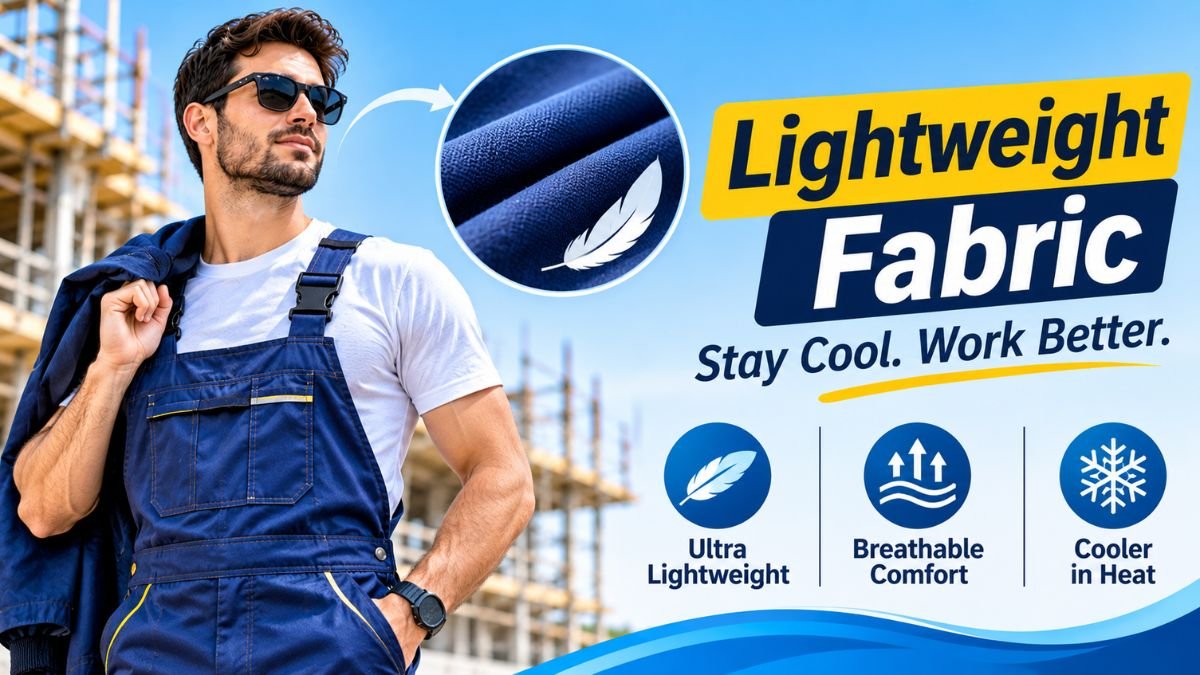
Lightweight fabric is one of the most important considerations when choosing summer workwear.
Heavy materials can feel restrictive and uncomfortable during physically demanding tasks. Lighter fabrics may reduce the weight workers carry throughout the day.
Common fabric options include lightweight cotton, cotton-polyester blends, and specialized technical fabrics.
However, fabric weight alone does not determine comfort or safety. Consider breathability, durability, fit, and any protective properties required for the job.
2. Breathable Construction
Breathable work overalls help air move through the fabric, potentially improving comfort in hot conditions.
Look for features such as:
- Breathable fabric construction
- Ventilated back panels
- Suitable airflow openings
- Lightweight linings
- Comfortable, nonrestrictive designs
Breathability varies between fabrics and garment constructions. Check product specifications rather than assuming that every lightweight overall provides the same airflow.
3. Moisture Management
Sweat can accumulate during physical work, especially in hot and humid environments.
Some fabrics absorb moisture, while others move it across the fabric surface to support evaporation. The best choice depends on the working conditions and the worker’s preferences.
For hot, humid environments, consider how quickly the garment dries and how it feels when damp.
4. Comfortable Fit
Work overalls should allow workers to bend, stretch, squat, and climb without unnecessary restriction.
Consider the following fit features:
- Adjustable shoulder straps
- Elastic or adjustable waist sections
- Room around the knees and hips
- Suitable leg length
- Flexible fabric
- Adjustable closures
Overalls that are too tight can restrict movement, while excessively loose clothing may catch on machinery or other objects.
Choose a fit that supports movement without creating additional workplace hazards.
5. Durable Construction
Summer workwear must still withstand everyday use.
Look for reinforced stress points, durable stitching, and materials appropriate for your tasks. Knees, pockets, seams, and strap attachment points may experience additional wear.
Construction workers and mechanics may need more abrasion resistance than workers performing light-duty indoor tasks.
6. Functional Pockets
Pockets make work overalls more practical by keeping commonly used tools and accessories close at hand.
Useful pocket features may include:
- Chest pockets
- Side pockets
- Tool pockets
- Reinforced pockets
- Secure closures
- Ruler or utility pockets
Choose a pocket arrangement that suits your work. Avoid carrying heavy or sharp objects in ways that could cause injury or interfere with movement.
7. Easy Maintenance
Work overalls can become dirty quickly during summer activities.
Choose garments with clear washing instructions and a fabric construction suitable for the expected cleaning frequency.
If the overalls provide specialized protection, follow the manufacturer’s care instructions carefully. Incorrect washing or unauthorized repairs may reduce their protective performance.
Fabric choice drives comfort in the heat. Read the best fabric for workwear and what coveralls are made of before you choose.
Best Fabrics for Summer Work Overalls
Fabric selection plays a major role in summer comfort. Different materials offer different combinations of breathability, durability, moisture management, and protection.
1. Cotton Work Overalls
Cotton is a popular choice for everyday workwear because it is generally comfortable and breathable.
Benefits of cotton overalls:
- Soft feel against the skin
- Good breathability in suitable constructions
- Comfortable for many everyday tasks
- Available in different fabric weights
- Easy to find in various designs
Potential disadvantages:
- May absorb sweat and take longer to dry
- Can wrinkle or shrink depending on construction and care
- May wear faster than some reinforced synthetic blends
- Ordinary cotton does not provide flame-resistant protection
Cotton work overalls can be suitable for general maintenance, light-duty workshop activities, and other tasks where their properties meet workplace requirements.
2. Polyester-Cotton Blend Overalls
Polyester-cotton blends combine cotton’s familiar comfort with some of polyester’s durability and quick-drying characteristics.
The exact performance depends on the fiber ratio, yarn, fabric construction, and finishing.
Benefits include:
- A balance of comfort and durability
- Potentially faster drying than comparable cotton fabrics
- Good everyday workwear performance
- Often easier maintenance
- Availability in different weights and designs
These overalls may be suitable for manufacturing, warehouse work, maintenance, and general industrial tasks.
Check the fabric specifications to ensure the blend is appropriate for the expected heat and work conditions.
3. Lightweight Ripstop Fabric
Ripstop fabrics use a reinforced construction designed to help limit the spread of small tears.
They are available in different fiber types and weights, so their breathability and durability vary.
Benefits include:
- Useful resistance to tear propagation
- Practical construction for demanding work
- Lightweight options for warm weather
- Potentially good durability for frequent use
Lightweight ripstop overalls may be suitable for field maintenance, outdoor work, and tasks where tear resistance is useful.
4. Technical Moisture-Wicking Fabrics
Some technical fabrics are designed to move moisture away from the skin and support evaporation.
These fabrics can be helpful for workers who sweat heavily during physical activity.
Potential benefits include:
- Moisture management
- Quick-drying performance
- Lightweight construction
- Comfortable use during active work
However, moisture-wicking performance does not automatically mean that a garment provides protection against workplace hazards. Verify the relevant safety properties separately.
5. Flame-Resistant Fabrics
Workers exposed to potential flame or thermal hazards may need flame-resistant overalls, even during summer.
Depending on the garment, flame resistance may come from inherently flame-resistant fibers or an appropriate treatment.
When selecting flame-resistant summer overalls, consider:
- Verified flame-resistance performance
- Fabric weight and breathability
- Garment fit
- Compatibility with other protective equipment
- Manufacturer care instructions
- Applicable certification requirements
Ordinary lightweight cotton or polyester overalls are not substitutes for certified flame-resistant workwear when flame protection is required.
Types of Work Overalls for Summer
Different jobs require different overall designs. Understanding the main options can help you choose a suitable garment.
1. Lightweight Bib Overalls
Bib overalls cover the legs and front torso, usually with shoulder straps that support the garment.
They are popular among mechanics, tradespeople, farmers, and maintenance workers.
Common features include adjustable straps, multiple pockets, and reinforced knees.
For summer use, look for lightweight fabric, a comfortable fit, and sufficient freedom of movement.
2. Full-Body Summer Coveralls
Full-body coveralls generally cover the torso, arms, and legs.
They provide broader clothing coverage than bib overalls and may be suitable for workshops, manufacturing, maintenance, and certain industrial environments.
For hot weather, consider lightweight construction, suitable ventilation, and fabric breathability.
If the job involves chemicals, hazardous dust, flames, or other specific hazards, select coveralls designed and tested for that application.
3. Short-Sleeve Work Coveralls
Short-sleeve coveralls provide more ventilation around the arms and may be suitable for general work in hot conditions.
They can be practical for mechanics, technicians, and workers performing tasks that do not require full arm coverage.
However, short sleeves may be unsuitable when workers need protection against abrasion, hot surfaces, chemicals, sparks, or other hazards.
Always prioritize the required protection over the desire for additional ventilation.
4. Lightweight Cotton Overalls
Lightweight cotton overalls are often chosen for general work where comfort and breathability are important.
They can be useful for light maintenance, workshops, and certain agricultural activities.
Their suitability depends on the fabric weight, durability, fit, and workplace hazards.
5. High-Visibility Work Overalls
High-visibility overalls are designed to help workers remain visible in environments where other people or vehicle operators need to see them.
They may be useful for road maintenance, construction, transportation, and outdoor utility work.
When high visibility is required, check the garment’s compliance with the applicable standard and performance class. Bright colors alone do not establish compliance.
6. Flame-Resistant Summer Overalls
Flame-resistant summer overalls are intended for jobs where workers need specified flame-related protection.
Some designs use lighter fabrics to improve comfort in warm conditions while maintaining the required protective performance.
Before buying, confirm that the garment meets the relevant standard and is suitable for the identified hazards.
Never choose ordinary summer overalls instead of required flame-resistant clothing simply because they feel cooler.
How to Choose the Best Work Overalls for Summer
Choosing the right overalls involves balancing comfort, durability, and workplace protection.
Follow these steps to make an informed decision.
Step 1: Consider Your Working Environment
Start by identifying where and how you work.
Ask yourself:
- Will you work outdoors in direct sunlight?
- Is the environment hot and humid?
- Will you work near machinery?
- Do you handle grease, dirt, or industrial materials?
- Is there a risk of sparks, flames, or electrical hazards?
- Do you need high-visibility clothing?
Your answers will help determine the most suitable fabric, design, and protection level.
Step 2: Choose a Suitable Fabric
Select a fabric that balances breathability, durability, and the protection needed for your work.
Cotton may be comfortable for general tasks, while polyester-cotton blends may offer a practical balance of comfort and durability.
Ripstop or reinforced fabrics may be useful for physically demanding work.
If specialized protection is necessary, choose a fabric and garment that have been tested for the intended hazard.
Step 3: Check the Fabric Weight
Fabric weight can influence how a garment feels during hot weather.
Lighter fabrics may improve comfort, but very lightweight materials may not withstand heavy abrasion or demanding industrial use.
Choose a weight that suits the work environment instead of automatically selecting the lightest available option.
Step 4: Evaluate Ventilation
Look for construction features that support airflow without compromising required protection.
Depending on the job, these may include breathable panels, suitable ventilation openings, or a less restrictive fit.
Avoid modifying certified protective clothing by cutting holes or removing panels.
Step 5: Choose the Right Size
A good fit supports mobility and comfort.
Check the manufacturer’s sizing chart and consider whether you will wear additional clothing underneath.
Make sure the garment allows comfortable movement while avoiding loose fabric that could become caught in equipment.
Step 6: Consider Durability
Think about how frequently you will wear and wash the overalls.
For construction, mechanical work, or heavy maintenance, reinforced knees and durable seams may be especially valuable.
For lighter tasks, a less heavy construction may provide enough durability without unnecessary bulk.
Step 7: Review Safety Requirements
Identify the protective properties required for your workplace before making a purchase.
These may include:
- Flame resistance
- Arc-rated protection
- Chemical protection
- High visibility
- Protection against dust or particulates
- Abrasion resistance
Check the manufacturer’s documentation and labels to verify compliance. A garment should not be considered protective simply because the product description uses terms such as “industrial,” “heavy-duty,” or “safety workwear.”
Step 8: Compare Price and Long-Term Value
The lowest-priced overalls may not be the most economical choice over time.
Compare durability, comfort, maintenance requirements, expected service life, and replacement costs.
For workplace purchases, consider whether the garment meets your organization’s requirements and whether replacement sizes will remain available.
Best Work Overalls for Different Industries
The most suitable summer overalls depend on the demands of the industry and the hazards workers face.
Construction Workers
Construction workers may need durable overalls that allow bending, climbing, kneeling, and lifting.
Useful features can include reinforced knees, breathable fabrics, functional pockets, and high-visibility elements where required.
If the work involves electrical systems, flames, or other specialized hazards, the garment must provide the appropriate tested protection.
Mechanics and Automotive Technicians
Mechanics often encounter grease, oil, dirt, and abrasive surfaces.
Work overalls with durable fabric, practical pockets, and a comfortable fit can help protect everyday clothing during routine tasks.
Where chemical exposure or fire hazards are present, choose a garment specifically designed for those risks.
Factory and Manufacturing Workers
Factory workers may need overalls suited to repetitive movement, frequent washing, and long shifts.
Breathable fabric, reliable seams, and a suitable pocket arrangement can improve practicality.
The garment must also be compatible with the factory’s machinery and workplace safety procedures.
Agricultural Workers
Agricultural workers may spend long hours outdoors in hot weather.
Lightweight, comfortable overalls can be useful for many tasks, but the appropriate protection depends on exposure to sunlight, machinery, pesticides, animals, and other hazards.
When handling pesticides or other chemicals, use protective clothing specified by the product label and relevant workplace procedures.
Warehouse Workers
Warehouse employees may benefit from lightweight overalls that allow easy movement during picking, packing, and material handling.
Durable fabric and convenient pockets can be useful for daily tasks.
High-visibility clothing may be necessary in areas with moving vehicles or powered industrial trucks.
Electrical and Utility Workers
Electrical and utility workers may need clothing designed for specific electrical and thermal hazards.
If an arc flash risk exists, verify the required arc rating and ensure the garment is part of a suitable protective ensemble.
Ordinary summer work overalls are not an acceptable substitute for required arc-rated or flame-resistant clothing.
Tips for Staying Cool While Wearing Work Overalls
Choosing suitable overalls is only one part of managing hot-weather work.
The following practices may help improve comfort and reduce heat-related risks.
1. Wear Suitable Base Layers
Lightweight, breathable base layers may help manage sweat and improve comfort beneath work overalls.
Choose layers that are compatible with the protective requirements of your outer garment.
For flame-resistant or arc-rated ensembles, follow the applicable clothing system requirements rather than assuming that any base layer is acceptable.
2. Choose Breathable Workwear
Whenever the hazard assessment permits, select garments with suitable breathability and a comfortable fit.
Avoid unnecessary layers that increase heat retention.
However, never remove required protective layers just to feel cooler.
3. Drink Water Regularly
Workers in hot conditions may need frequent access to drinking water.
Employers should follow appropriate heat-stress prevention procedures and provide suitable opportunities for hydration and recovery.
4. Take Appropriate Rest Breaks
Rest breaks in cooler or shaded areas can help workers recover during hot weather.
Work schedules and break frequency should account for environmental conditions, task intensity, and workplace safety guidance.
5. Watch for Signs of Heat Illness
Heat stress can become serious, particularly during strenuous work in hot environments.
Warning signs may include dizziness, weakness, headache, nausea, unusual fatigue, or heavy sweating. Confusion, collapse, or altered consciousness may indicate a medical emergency.
Follow workplace emergency procedures and seek immediate medical assistance for suspected heat stroke.
6. Keep Workwear Clean and in Good Condition
Dirt, grease, damage, and incorrect cleaning can affect garment comfort and performance.
Follow the manufacturer’s care instructions and inspect the overalls regularly.
Replace clothing when damage or wear compromises its intended function.
Common Mistakes to Avoid When Buying Summer Work Overalls
Avoid these common mistakes when selecting workwear for hot weather.
Choosing the Lightest Fabric Without Considering Safety
A lightweight garment may feel comfortable but may not provide enough durability or protection for demanding tasks.
Balance fabric weight with the required performance and working conditions.
Ignoring Breathability
A garment can be lightweight but still feel hot if its construction traps heat and moisture.
Consider fabric properties, ventilation, fit, and the length of time the garment will be worn.
Buying the Wrong Size
Overalls that are too tight may restrict movement, while excessively loose clothing can create snagging hazards.
Use the manufacturer’s sizing information and check the garment’s fit before regular use.
Overlooking Specialized Protection
Ordinary workwear may not protect against flames, electrical arcs, chemicals, or hazardous particles.
Identify the workplace hazards and select clothing with the appropriate tested performance.
Ignoring Washing Instructions
Incorrect washing methods may cause shrinkage, damage fabric finishes, or compromise specialized protective properties.
Follow the garment’s care label and manufacturer instructions.
Focusing Only on Price
Low-cost clothing may need to be replaced more frequently or may not meet workplace requirements.
Compare overall value, durability, comfort, and verified protection before buying.
How to Care for Summer Work Overalls
Proper care can help maintain the garment’s condition and extend its useful life.
Wash According to the Care Label
Follow the recommended washing temperature, detergent instructions, and drying method.
Separate heavily soiled clothing when appropriate, and follow workplace procedures for garments contaminated with hazardous substances.
Inspect Seams and Closures
Check stitching, zippers, buttons, straps, and pockets for damage.
Repair or replace the garment when necessary, following the manufacturer’s instructions.
Remove Contamination Correctly
Oil, grease, chemicals, and other workplace contaminants may require specific cleaning procedures.
Do not take contaminated protective clothing home if workplace rules or chemical safety procedures prohibit it.
Store Workwear Properly
Store clean overalls in a dry, suitable location away from unnecessary heat, chemicals, and damaging conditions.
Keep specialized protective clothing separate from contaminated garments.
Replace Worn-Out Overalls
Replace garments when holes, thinning fabric, damaged closures, or other defects make them unsuitable for the intended task.
For protective clothing, follow the manufacturer’s replacement guidance and workplace inspection procedures.
Frequently Asked Questions About the Best Work Overalls for Summer
1. What Are the Best Work Overalls for Summer?
The best summer work overalls combine suitable breathability, lightweight construction, durability, comfortable fit, and the protection required for the job.
Cotton and polyester-cotton blends can be good options for general work, while specialized tasks may require flame-resistant, arc-rated, chemical-protective, or high-visibility garments.
2. Which Fabric Is Best for Summer Work Overalls?
Cotton is popular for its comfortable feel and breathability. Polyester-cotton blends may provide a useful balance of comfort, durability, and drying performance.
The best choice depends on the fabric construction, climate, work intensity, and required protective properties.
3. Are Cotton Overalls Good for Hot Weather?
Cotton overalls can be comfortable in warm conditions because cotton is generally breathable.
However, cotton can absorb sweat and may dry slowly in humid environments. Ordinary cotton also does not provide certified flame resistance simply because it is made from natural fibers.
4. Are Lightweight Work Overalls Durable?
Some lightweight work overalls are designed for regular industrial use and may include reinforced seams or abrasion-resistant fabric.
Durability depends on the material, fabric construction, stitching, and the demands of the job.
5. Are Summer Work Overalls Available in Flame-Resistant Materials?
Yes. Some manufacturers offer flame-resistant overalls designed for use in warm environments.
Check the garment’s certification, intended use, fabric specifications, and care requirements before purchasing.
6. Can I Wear Short-Sleeve Overalls for Industrial Work?
Short-sleeve overalls may be suitable for certain general tasks, but they may not provide enough coverage where workers face abrasion, sparks, hot surfaces, chemicals, or other hazards.
Always follow the workplace’s protective clothing requirements.
7. How Should Work Overalls Fit?
Work overalls should allow comfortable movement without restricting bending, lifting, or walking.
They should not be so loose that the fabric creates a snagging hazard around machinery.
8. How Often Should Summer Work Overalls Be Replaced?
Replacement depends on the garment’s condition, frequency of use, cleaning methods, and manufacturer guidance.
Inspect overalls regularly and replace them when wear or damage makes them unsuitable for the job.
9. Are High-Visibility Summer Overalls Available?
Yes. High-visibility overalls are available in designs intended for outdoor and industrial work.
If your workplace requires compliant high-visibility clothing, verify the applicable standard and performance class on the garment’s documentation.
10. How Can Workers Stay Cool in Overalls During Summer?
Choose suitable breathable workwear, use compatible base layers, drink water regularly, take appropriate rest breaks, and follow workplace heat-stress prevention procedures.
Never remove required protective equipment to reduce heat discomfort. Report excessive heat or signs of heat illness promptly.
Conclusion
Choosing the best work overalls for summer can help workers stay comfortable, move freely, and keep their clothing suitable for demanding jobs. Lightweight fabrics, breathable construction, practical pockets, durable seams, and a comfortable fit are important features to consider when shopping for hot-weather workwear.
Cotton, polyester-cotton blends, and lightweight ripstop fabrics can all be useful, depending on the application. Workers who face specialized hazards may also need certified flame-resistant clothing, arc-rated protection, chemical-resistant garments, or high-visibility workwear.
Before buying, evaluate your working environment, identify the required protective properties, and check the garment’s specifications. Proper fit, regular inspection, and correct maintenance can also help keep workwear functional throughout the summer.
The best summer work overalls are those that balance comfort, durability, and verified protection for the job you perform.