

Workplace safety is important in industries where workers face moving vehicles, heavy machinery, and poor visibility. In these environments, suitable protective clothing helps reduce workplace risks. One essential item is a high-visibility jacket.
But what is a hi vis jacket, and why do workers need one?
A hi vis jacket is protective clothing designed to make the wearer easier to see. It uses bright fluorescent materials and reflective strips. These features help people recognize workers during daylight, darkness, and low-light conditions.
Hi vis jackets are common in construction, road maintenance, transportation, warehouses, and industrial workplaces. They help drivers, machine operators, and other workers notice people nearby.
However, not every high-visibility jacket offers the same protection. Different types, colors, materials, and visibility classes serve different working conditions.
This guide explains how hi vis jackets work, where workers use them, and how to choose the right option.
Looking for hi vis jackets for your crew? Explore our custom hi vis workwear manufacturing, see the knitted high vis jacket, and read the ANSI standard for high visibility clothing.
What Is a Hi Vis Jacket?
A hi vis jacket is a high-visibility safety garment designed to improve a worker’s visibility. It usually features fluorescent fabric, reflective tape, or both.
Fluorescent materials help workers stand out during daylight and cloudy conditions. Reflective strips return light toward their source. This makes the wearer more visible when vehicle headlights or other light sources shine on them.
These jackets are especially useful around traffic, construction equipment, and moving machinery.
Most hi vis jackets have bright yellow, orange, or lime-green fabric. Their reflective sections often appear as silver or gray strips. Some designs also include contrasting panels for additional visibility.
A hi vis jacket may provide several practical features, such as:
- Bright fluorescent outer fabric.
- Reflective strips around the body and sleeves.
- Front zipper or secure fastening.
- Pockets for carrying small work items.
- Water-resistant or waterproof materials.
- Breathable lining for improved comfort.
- Adjustable cuffs and hems.
- Hooded or detachable designs.
The exact features depend on the jacket’s intended use. For example, road workers may need reflective protection. Outdoor workers may also need waterproof construction.
How Does a Hi Vis Jacket Work?
A high-visibility jacket improves visibility through two main technologies. These are fluorescent materials and retroreflective materials.
Each technology performs a different function. Together, they help workers remain visible in changing light conditions.
1. Fluorescent Fabric
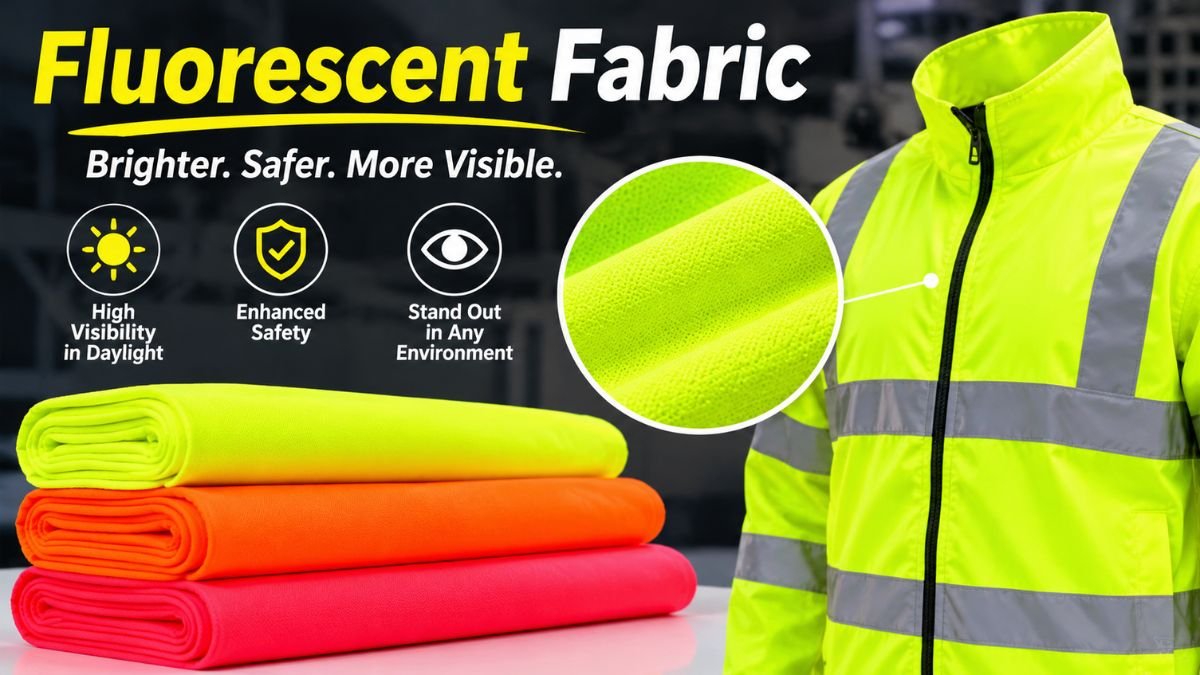
Fluorescent fabric makes a garment appear brighter than ordinary fabric under suitable daylight conditions. It absorbs ultraviolet light and releases some of that energy as visible light.
This effect helps bright colors stand out against many natural backgrounds. It is especially useful during daytime work.
Common fluorescent fabric colors include:
- Fluorescent yellow.
- Fluorescent orange-red.
- Fluorescent red.
Fluorescent materials work best when natural or suitable artificial light is available. They do not provide the same benefit in complete darkness.
2. Reflective Tape
Reflective tape helps improve visibility when light shines toward the wearer. It sends much of that light back toward its source.
For example, a driver may see reflective strips when vehicle headlights reach a worker’s jacket.
Manufacturers commonly place reflective tape around the torso, shoulders, and sleeves. This arrangement helps show the worker’s position and body movement.
Reflective tape is particularly useful during nighttime work. However, its performance depends on the tape’s quality, condition, placement, and the direction of incoming light.
3. Combining Fluorescent and Reflective Materials
Many hi vis jackets combine fluorescent fabric with reflective tape. This design supports visibility in different lighting conditions.
The fluorescent fabric helps during daylight. Reflective sections improve visibility when light reaches the jacket in darker conditions.
Workers should still use suitable lighting, traffic controls, and other required safety measures. A hi vis jacket does not remove every workplace hazard.
What Are the Different Types of Hi Vis Jackets?
Hi vis jackets come in several designs. Each type supports different weather conditions, work activities, and safety requirements.
Choosing the right design helps workers stay comfortable while meeting workplace visibility needs.
1. Standard Hi Vis Jacket
A standard hi vis jacket is a common option for general workplace use. It usually features bright fabric and reflective strips.
These jackets are suitable for many indoor and outdoor activities. Workers may wear them in warehouses, construction areas, and industrial facilities.
Common features include:
- Fluorescent yellow or orange fabric.
- Reflective tape across the torso.
- Long sleeves.
- Front zipper or fastening.
- Basic storage pockets.
The exact level of protection depends on the garment’s certified design and intended use.
2. Waterproof Hi Vis Jacket
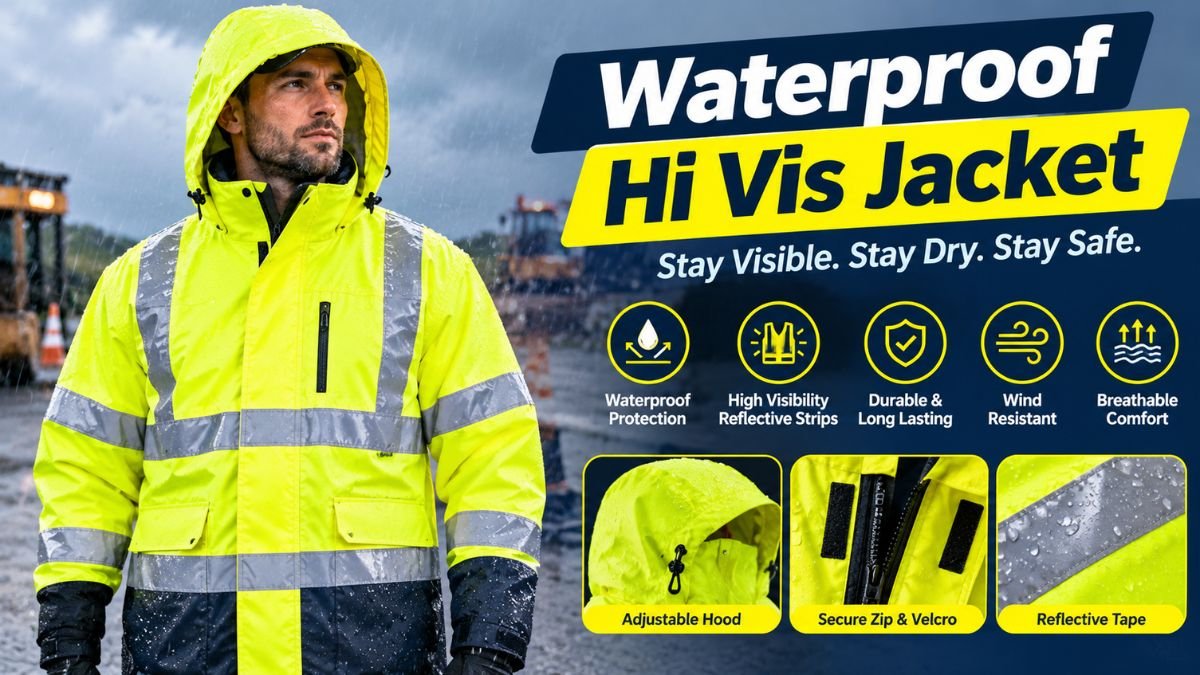
A waterproof hi vis jacket helps protect workers from rain and wet weather. It combines visibility features with a fabric construction designed to resist water.
Manufacturers may use coated fabrics, waterproof membranes, sealed seams, and water-resistant zippers.
These jackets are useful for:
- Road construction crews.
- Utility maintenance workers.
- Outdoor warehouse staff.
- Traffic control personnel.
- Railway maintenance teams.
A waterproof jacket should also provide enough breathability for its working conditions. Otherwise, heat and moisture can build up inside.
3. Hi Vis Bomber Jacket
A hi vis bomber jacket has a shorter design with a fitted waist and cuffs. Many versions include a warm lining.
This style is useful during colder working conditions. It offers greater warmth than a lightweight safety jacket.
Typical features include:
- Elasticated cuffs.
- A fitted waist.
- Front fastening.
- Reflective body and sleeve strips.
- Insulated or quilted lining.
- Multiple pockets.
Workers should check that the jacket provides the required visibility coverage. A fashionable design alone does not establish compliance with a safety standard.
4. Hi Vis Softshell Jacket
A hi vis softshell jacket uses flexible fabric designed for comfort and movement. Some versions provide wind resistance and light water resistance.
Softshell designs are popular among workers who move frequently. They can also suit changing outdoor conditions.
Common features include:
- Flexible outer fabric.
- Breathable construction.
- Lightweight insulation in some models.
- Reflective details.
- Zippered pockets.
- Adjustable cuffs.
A softshell jacket may not replace a fully waterproof jacket during heavy rain. Workers should check its weather-protection rating before choosing it.
5. Hi Vis Winter Jacket
A hi vis winter jacket provides visibility and insulation during cold weather. It may include a padded lining, thermal materials, and a protective outer shell.
These jackets help outdoor workers manage low temperatures. They are common in construction, transportation, road maintenance, and utility work.
Important features may include:
- Insulated inner lining.
- Waterproof or water-resistant outer fabric.
- Reflective tape.
- Adjustable hood.
- Wind-resistant construction.
- Secure pockets and fastenings.
The jacket should allow enough room for required base layers without restricting movement or hiding reflective sections.
6. Lightweight Hi Vis Jacket
A lightweight hi vis jacket is designed for warmer conditions and active work. It uses lighter materials than insulated winter jackets.
Some versions provide basic protection against wind or light rain. Others focus mainly on visibility and breathability.
These jackets are useful for:
- Summer construction work.
- Warehouse operations.
- Outdoor inspections.
- Road maintenance.
- Delivery and logistics work.
Workers should choose a breathable design that remains suitable for the site’s visibility requirements.
7. Hi Vis Rain Jacket
A hi vis rain jacket combines high-visibility features with protection from wet weather. It often includes a waterproof outer layer, sealed seams, and an adjustable hood.
Some designs are lightweight enough to wear over other work clothing.
A suitable rain jacket should provide:
- Fluorescent fabric.
- Reflective tape.
- Water-resistant or waterproof construction.
- Secure front fastening.
- Adjustable hood and cuffs.
- Adequate ventilation.
Workers should confirm that the jacket’s reflective areas remain visible when worn with other required equipment.
Keep your jacket performing longer by following how to wash hi vis clothing, and see a finished example in the knitted high vis jacket.
What Materials Are Used to Make Hi Vis Jackets?
The materials used in hi vis jackets affect visibility, durability, comfort, and weather protection.
Manufacturers select fabrics according to the garment’s intended working conditions. Some jackets focus on breathability. Others provide insulation or water resistance.
1. Polyester
Polyester is widely used in high-visibility workwear. It is lightweight, durable, and relatively easy to maintain.
It can also hold bright colors and support different fabric constructions.
Manufacturers use polyester for:
- Lightweight safety jackets.
- Waterproof outer shells.
- Lined workwear.
- Reflective safety garments.
Some polyester fabrics receive additional coatings to improve water resistance.
2. Cotton
Cotton is a natural fiber valued for its softness and breathability. It may appear in certain workwear fabrics and jacket linings.
However, cotton absorbs moisture and may take longer to dry than some synthetic fabrics.
Cotton alone does not provide high visibility. The finished garment still needs suitable fluorescent and reflective components.
3. Polyester-Cotton Blends
Polyester-cotton blends combine selected properties of both fibers.
Polyester can improve durability and drying performance. Cotton can provide a softer feel and comfortable wear.
The exact performance depends on the blend ratio, fabric construction, and finishing process.
4. Waterproof Coated Fabrics
Some hi vis jackets use coated fabrics to resist water. These may include polyester or other synthetic base fabrics with a protective coating.
The coating helps prevent rain from passing through the outer material.
Manufacturers may also use waterproof membranes and sealed seams. These features help improve protection in wet conditions.
5. Insulating Materials
Winter hi vis jackets often include insulating materials. These materials help retain body heat during cold-weather work.
Common options include synthetic padding and fleece linings.
The right insulation depends on the temperature, activity level, and other protective clothing worn by the worker.
What Colors Are Used in Hi Vis Jackets?
Hi vis jackets commonly use fluorescent colors that contrast with the surrounding environment.
The best color depends on the workplace background, lighting, and other visibility risks.
Fluorescent Yellow
Fluorescent yellow is one of the most recognizable high-visibility colors. It creates a strong contrast in many outdoor and industrial environments.
Workers commonly wear it in construction, warehousing, and road maintenance.
However, yellow may blend into some backgrounds. For example, a site with bright yellow equipment or signs may reduce its contrast.
Fluorescent Orange
Fluorescent orange is another common safety color. It can provide strong contrast in environments with green vegetation or other backgrounds.
Road crews, railway workers, and outdoor maintenance teams may use orange garments.
The correct choice depends on the working environment and applicable safety requirements.
Fluorescent Red
Some high-visibility garments use fluorescent red or red-orange shades. These colors may be suitable for particular work environments and visibility standards.
Employers should select approved garments based on a workplace risk assessment rather than color preference alone.
What Are Hi Vis Jacket Safety Classes?
High-visibility garments may be grouped into different performance classes. These classes indicate the garment’s visibility design and the amount of visible material it provides.
The applicable classification depends on the standard used in the country or workplace.
Two widely recognized standards are ANSI/ISEA 107 in the United States and EN ISO 20471 in many other markets.
They have different classification systems. Employers should follow the standard required by local regulations and workplace rules.
ANSI/ISEA 107 Classes
ANSI/ISEA 107 is a US standard for high-visibility safety apparel and accessories. It classifies garments according to their design and visibility performance.
The commonly referenced garment classes include:
Class 1: These garments provide a lower level of visibility. They may be suitable for certain low-risk environments where traffic exposure and vehicle speeds are limited.
Class 2: These garments provide greater visibility coverage. They are used in work environments with increased traffic exposure or other visibility risks.
Class 3: These garments provide the highest level of visibility coverage within the standard’s garment classes. They are intended for more demanding visibility conditions.
The correct class depends on the task, traffic conditions, worksite, and applicable requirements. Employers should not select a class based only on appearance.
EN ISO 20471 Classes
EN ISO 20471 is an international standard for high-visibility clothing. It specifies requirements for garments intended to make wearers visible in different risk conditions.
It uses three garment classes:
- Class 1: Provides the lowest visibility performance of the three classes.
- Class 2: Provides an intermediate level of visibility performance.
- Class 3: Provides the highest level of visibility performance.
The standard considers the areas of fluorescent and retroreflective material used in the garment.
A jacket’s class should be confirmed from its label and product documentation. Do not assume that a particular color or number of reflective strips automatically makes it compliant.
Where Are Hi Vis Jackets Used?
Hi vis jackets are used in many industries where workers need to remain visible.
They are especially important around moving vehicles, machinery, and areas with changing light conditions.
1. Construction Sites
Construction sites often contain heavy equipment, delivery vehicles, and moving workers.
Hi vis jackets help machine operators and drivers notice people in their working areas.
Construction workers may wear them during:
- Building projects.
- Road construction.
- Excavation work.
- Site inspections.
- Material handling.
- Equipment maintenance.
The required garment class depends on the site’s risk assessment and applicable rules.
2. Road Maintenance
Road maintenance workers often work close to moving traffic. Drivers may have limited time to notice workers and respond.
High-visibility jackets help make workers easier to recognize.
They are commonly used during:
- Road repairs.
- Line marking.
- Traffic control.
- Street cleaning.
- Highway maintenance.
- Emergency roadside work.
Workers may also need other protective equipment, such as helmets, gloves, safety footwear, and suitable traffic-control systems.
3. Warehousing and Logistics
Warehouses can contain forklifts, pallet trucks, delivery vehicles, and busy loading areas.
Hi vis jackets help workers stand out around these activities.
They are useful for:
- Loading and unloading.
- Stock movement.
- Forklift operations.
- Distribution centers.
- Loading bays.
- Inventory management.
Employers should select jackets that do not create snagging risks around machinery or moving equipment.
4. Transportation and Delivery
Transport workers may operate near roads, vehicles, and loading areas. Delivery drivers may also need to leave their vehicles in areas with limited visibility.
A suitable hi vis jacket helps improve their visibility to other road users.
Common users include:
- Delivery drivers.
- Truck drivers.
- Roadside assistance teams.
- Fleet maintenance workers.
- Transport depot staff.
5. Railway Maintenance
Railway workers may work near tracks, maintenance vehicles, and moving trains.
High-visibility clothing helps improve recognition in these environments.
Railway employers should follow the specific visibility and protective-clothing rules for their operations. A general hi vis jacket may not meet every railway requirement.
6. Emergency Services
Some emergency response teams use high-visibility jackets when working near roads or other public areas.
These garments can help distinguish personnel during roadside incidents and outdoor operations.
Emergency services may require specialist garments with additional features. Workers should use equipment approved for their specific duties.
7. Utilities and Maintenance
Electricity, water, gas, and telecommunications workers may perform maintenance outdoors.
They can work near roads, service vehicles, and industrial equipment.
Hi vis jackets help make these workers easier to see during inspections and repairs.
Additional protective clothing may be necessary depending on electrical, chemical, weather, or other workplace hazards.
What Are the Benefits of Wearing a Hi Vis Jacket?
High-visibility jackets provide several benefits in workplaces where visibility is important.
Their main purpose is to help other people notice workers sooner. They can support a wider workplace safety program.
1. Improves Worker Visibility
The main benefit of a hi vis jacket is improved visibility.
Bright fluorescent fabric creates contrast during daylight. Reflective strips help return light toward its source in darker conditions.
This combination can make workers easier to notice in suitable lighting conditions.
2. Supports Workplace Safety
Workers who are easier to see may be less likely to go unnoticed by drivers and machine operators.
This is particularly useful in busy work areas.
However, visibility clothing is only one part of workplace safety. Employers must also manage vehicle movement, equipment operation, safe access, and other hazards.
3. Helps Identify Workers
High-visibility clothing can help distinguish workers from visitors and members of the public.
Some employers use different garment colors or designs for different teams.
For example, supervisors, contractors, and site workers may have separate clothing policies. These systems should remain consistent and easy to understand.
4. Supports Nighttime Work
Reflective strips help improve visibility when headlights or other suitable light sources reach the garment.
This makes hi vis jackets useful for certain nighttime activities.
Workers should still use required work lights, warning systems, and traffic controls. Reflective clothing cannot make a person visible from every direction or distance.
5. Provides Weather Protection
Many hi vis jackets include weather-resistant features.
Waterproof designs help protect workers from rain. Insulated options provide warmth during cold conditions. Lightweight versions can support work in warmer weather.
These features help workers select clothing suitable for their environment.
6. Supports Workplace Clothing Policies
Many employers require high-visibility clothing in designated areas.
Using the correct garment helps workers follow site procedures and applicable safety requirements.
A suitable jacket should match the employer’s risk assessment and clothing policy.
How to Choose the Right Hi Vis Jacket
Choosing a hi vis jacket requires more than selecting a bright color. Workers and employers should consider visibility requirements, weather, comfort, and durability.
1. Check the Required Safety Standard
Start by identifying the safety standard required for the workplace.
Some workplaces follow ANSI/ISEA 107. Others require EN ISO 20471 or a different local standard.
Check the garment label and manufacturer documentation. Confirm that the jacket meets the required class and intended use.
2. Consider the Working Environment
Think about where the jacket will be worn.
A road worker may need a garment designed for traffic exposure. A warehouse employee may need a lighter option that remains visible indoors.
Consider factors such as:
- Vehicle speed and distance.
- Daylight and nighttime conditions.
- Background colors.
- Weather exposure.
- Indoor or outdoor work.
- Machinery and movement hazards.
The workplace risk assessment should guide the final selection.
3. Choose Suitable Fabric
The fabric should match the work conditions.
Lightweight polyester may suit warm environments. Waterproof coated fabric may be more suitable for rainy work. Insulated jackets can help in colder conditions.
Check the fabric’s durability, breathability, and care instructions before purchasing.
4. Select the Correct Fit
A hi vis jacket should fit comfortably without restricting movement.
A jacket that is too tight may limit movement. An oversized jacket may catch on equipment or create other hazards.
Check that the sleeves, body, and fastening system fit properly. The jacket should also allow any required base layers without hiding its visibility features.
5. Check Reflective Tape Placement
Reflective tape should be positioned according to the garment’s intended design and certification.
Look for suitable coverage around the torso, shoulders, and sleeves where required.
Do not assume that adding extra reflective tape to an ordinary jacket makes it certified high-visibility clothing.
6. Consider Weather Conditions
Choose a jacket that suits the expected temperature and weather.
For rainy conditions, consider waterproof construction and sealed seams. When working in winter, check insulation and wind protection.
For warm environments, look for breathable materials and suitable ventilation.
7. Review Pockets and Practical Features
Pockets can make a work jacket more useful. They provide space for small tools, identification cards, and other work items.
However, pocket placement should not interfere with reflective sections or the garment’s certified design.
Other useful features may include adjustable cuffs, secure zippers, detachable hoods, and storm flaps.
How Should You Wear a Hi Vis Jacket?
Correct use helps maintain the jacket’s visibility performance.
Workers should follow the manufacturer’s instructions and their employer’s safety procedures.
Keep these points in mind:
- Wear the jacket as intended by the manufacturer.
- Fasten it properly when the design requires fastening.
- Keep fluorescent and reflective sections uncovered.
- Avoid placing bags or equipment over important visibility areas.
- Select the correct size for comfortable movement.
- Do not wear a damaged or heavily soiled jacket.
- Follow site rules about wearing additional protective clothing.
If workers must wear a coat, harness, or other equipment over the jacket, the employer should confirm that the complete arrangement still meets the required visibility rules.
How to Wash and Maintain a Hi Vis Jacket
Regular cleaning helps maintain a jacket’s appearance and usability. Dirt, oil, and other contamination can reduce the performance of fluorescent fabric and reflective materials.
However, incorrect washing can damage coatings, seams, and reflective tape.
1. Read the Care Label
Always check the manufacturer’s care instructions before washing.
The label explains the recommended temperature, washing method, drying process, and other restrictions.
Different jackets may require different cleaning methods.
2. Remove Loose Dirt
Remove loose dirt before placing the jacket in a washing machine.
Follow the manufacturer’s instructions for dealing with stains. Avoid harsh chemicals that may damage the fabric or reflective sections.
3. Use a Suitable Detergent
Choose a detergent approved for the garment’s material.
Avoid bleach, strong solvents, and fabric treatments unless the manufacturer specifically permits them.
Some products may affect fluorescent colors, water-resistant coatings, or reflective tape.
4. Use the Recommended Washing Temperature
Wash the jacket at the temperature shown on its care label.
High temperatures may damage certain fabrics, coatings, and reflective materials.
Do not assume that every hi vis jacket can be washed using the same settings.
5. Dry the Jacket Correctly
Follow the recommended drying instructions.
Some jackets can be air-dried. Others may allow tumble drying at a specified temperature.
Avoid excessive heat when the manufacturer does not permit it.
6. Inspect the Jacket After Washing
Check the garment after cleaning.
Look for fading, damaged reflective tape, loose seams, holes, and broken fasteners.
Replace the jacket when it no longer provides the required visibility performance.
When Should You Replace a Hi Vis Jacket?
A hi vis jacket does not provide reliable performance forever. Regular use, washing, sunlight, and workplace contamination can affect its condition.
Replace a jacket when:
- Fluorescent fabric has faded significantly.
- Reflective tape is cracked or peeling.
- Important reflective sections are missing.
- The fabric has holes or serious damage.
- Seams or fasteners no longer work properly.
- Oil, chemicals, or other contamination cannot be removed.
- The garment no longer meets workplace requirements.
There is no single replacement period that applies to every jacket. The correct timing depends on the manufacturer’s guidance, garment condition, and workplace rules.
Employers should establish regular inspection procedures. Workers should report damaged garments before continuing tasks that require high-visibility clothing.
Hi Vis Jacket vs. Hi Vis Vest: What Is the Difference?
A hi vis jacket and a hi vis vest both improve worker visibility. However, they offer different levels of coverage and practical features.
A hi vis vest is usually lightweight and sleeveless. It is often worn over ordinary work clothing.
A hi vis jacket has sleeves and may provide additional weather protection. It can also offer insulation during cold conditions.
| Feature | Hi Vis Jacket | Hi Vis Vest |
|---|---|---|
| Design | Full sleeves | Sleeveless |
| Weather protection | Available in many designs | Usually limited |
| Warmth | Available with insulation | Usually lightweight |
| Layering | Can be worn over base layers | Usually worn over clothing |
| Common use | Outdoor and cold-weather work | Indoor and warm-weather work |
| Visibility | Depends on certified design | Depends on certified design |
Neither garment is automatically safer than the other. The correct choice depends on the required safety standard and workplace risk assessment.
Common Mistakes to Avoid When Using Hi Vis Jackets
Even a suitable jacket may not provide its intended benefits when workers use it incorrectly.
Avoid these common mistakes:
Choosing a Jacket Based Only on Color
A bright yellow or orange jacket is not automatically compliant with a safety standard.
Check its certification, label, and product documentation.
Wearing Damaged Reflective Tape
Cracked, peeling, or missing reflective tape can reduce visibility.
Inspect the garment regularly and replace it when necessary.
Covering Reflective Areas
Backpacks, tools, and other equipment may hide important visibility sections.
Arrange equipment so the jacket remains visible.
Ignoring Workplace Requirements
Different jobs have different visibility risks.
Always follow the employer’s risk assessment and local safety requirements.
Using the Wrong Jacket for the Weather
A lightweight jacket may not provide enough protection during heavy rain or cold conditions.
Choose a garment designed for the expected environment.
Washing the Jacket Incorrectly
Strong chemicals and excessive heat may damage the fabric or reflective components.
Follow the care label to protect the garment.
How Are Hi Vis Jackets Manufactured?
Hi vis jacket manufacturing involves several stages. Each stage helps produce a garment with suitable visibility, comfort, and durability.
The process usually begins with material selection and ends with inspection and packaging.
1. Fabric Selection
Manufacturers select fabrics according to the jacket’s purpose.
Common options include polyester, polyester blends, coated fabrics, and insulating materials.
They also select suitable fluorescent colors and reflective components.
2. Pattern Making
Designers create garment patterns based on the required size range and jacket style.
They plan the body panels, sleeves, collar, hood, pockets, and fastening areas.
The pattern must also support the placement of visibility materials.
3. Fabric Cutting
Workers or automated cutting machines cut fabric according to the approved patterns.
Accurate cutting helps maintain consistent garment sizes and shapes.
Manufacturers also plan fabric placement to reduce waste.
4. Sewing and Assembly
The cut panels are joined using industrial sewing machines.
Workers attach sleeves, collars, pockets, zippers, linings, and other components.
Waterproof jackets may require additional seam treatments.
5. Reflective Tape Application
Reflective tape is attached according to the garment’s design and applicable standard.
Its placement is important because it contributes to the garment’s visibility performance.
Manufacturers must follow the approved construction requirements.
6. Quality Inspection
Finished jackets are inspected for stitching, sizing, material defects, and component placement.
Garments intended to meet a specific safety standard must also meet its relevant performance and labeling requirements.
7. Packaging and Distribution
Approved garments are folded, labeled, and packed for delivery.
Product information should identify the relevant standard and provide care instructions where applicable.
Frequently Asked Questions About Hi Vis Jackets
1. What Is a Hi Vis Jacket Used For?
A hi vis jacket helps make workers easier to see in workplaces with traffic, moving machinery, or poor visibility. It is commonly used in construction, road maintenance, transportation, warehousing, and industrial work.
2. What Does Hi Vis Mean?
Hi vis means high visibility. It describes clothing designed to make the wearer easier to notice through fluorescent materials and reflective components.
3. What Is the Best Color for a Hi Vis Jacket?
Fluorescent yellow and orange are common choices. The best color depends on the workplace background, lighting, and applicable safety requirements.
4. Are Hi Vis Jackets Required at Work?
Some workplaces require high-visibility clothing because of traffic, machinery, or other visibility hazards. The exact requirement depends on local regulations, the worksite risk assessment, and employer policies.
5. Can You Wear a Hi Vis Jacket at Night?
Yes. Jackets with suitable retroreflective materials can help workers become more visible when light shines toward them. Workers should still follow all nighttime safety procedures.
6. What Is the Difference Between Fluorescent and Reflective Material?
Fluorescent material helps improve visibility in suitable daylight conditions. Reflective material returns light toward its source and is useful when headlights or other light sources reach the wearer.
7. What Are the Main Types of Hi Vis Jackets?
Common types include standard hi vis jackets, waterproof jackets, bomber jackets, softshell jackets, winter jackets, lightweight jackets, and rain jackets.
8. What Is a Class 3 Hi Vis Jacket?
Class 3 refers to a higher visibility garment classification under standards such as ANSI/ISEA 107 and EN ISO 20471. The exact requirements differ between standards, so check the garment’s certification and label.
9. How Often Should You Replace a Hi Vis Jacket?
Replace a jacket when its fluorescent fabric fades, reflective tape becomes damaged, or the garment no longer meets workplace requirements. Follow the manufacturer’s guidance and employer inspection procedures.
10. Can You Wash a Hi Vis Jacket in a Washing Machine?
Some hi vis jackets are machine washable. Always read the care label first because washing temperature, detergent, and drying instructions vary by garment.
11. Are Waterproof Hi Vis Jackets Available?
Yes. Waterproof hi vis jackets combine visibility materials with water-resistant or waterproof construction. They are useful for outdoor workers who face rain and wet conditions.
12. Is a Hi Vis Jacket the Same as a Reflective Jacket?
The terms are sometimes used interchangeably, but they are not always identical. A hi vis jacket may use fluorescent fabric, reflective material, or both. Check the garment’s design and certification to understand its performance.
Conclusion
A hi vis jacket is an important item of protective workwear. It helps make workers easier to notice in environments with traffic, machinery, and limited visibility.
These jackets combine fluorescent fabric and reflective materials. Different designs provide options for construction, road maintenance, warehousing, transportation, and outdoor work.
Choosing the right jacket requires attention to its safety class, fabric, fit, weather protection, and workplace requirements. Workers should also inspect and clean their garments according to the manufacturer’s instructions.
Most importantly, high-visibility clothing should form part of a wider workplace safety plan. It supports visibility but does not replace safe work procedures, traffic controls, or other protective equipment.
1 thought on “What Is a Hi Vis Jacket? Types, Uses, and Safety Benefits”
Pingback: ANSI Standard for High Visibility Clothing: A Complete Guide - negorafist.com