
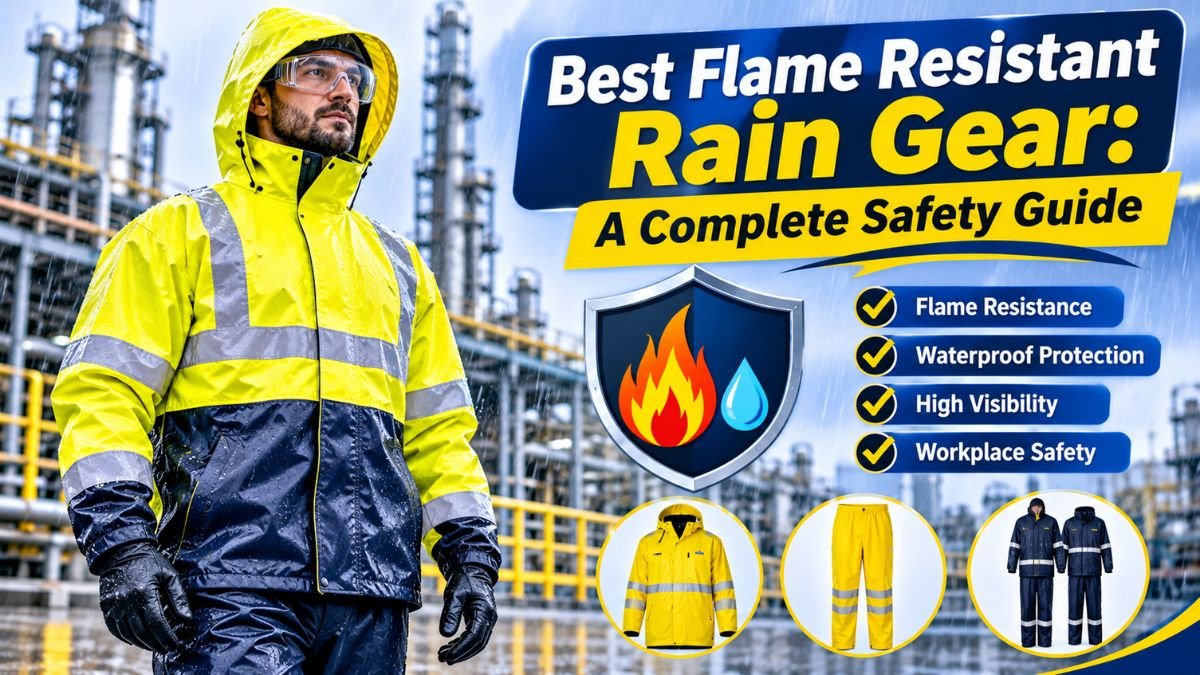
Working outdoors in wet weather can be challenging, especially for employees exposed to flames, electrical hazards, or other industrial risks. Ordinary rainwear may keep workers dry, but it is not necessarily designed to protect them from fire or thermal hazards. That is why choosing the best flame resistant rain gear is essential for workplaces where employees need protection from both rain and specific heat-related hazards.
Flame resistant rain gear combines water-resistant or waterproof construction with materials and designs intended to meet defined flame-resistance requirements. Depending on the application, some garments may also provide tested protection against electrical arc exposure.
In this guide, we will explain what flame resistant rainwear is, its key features, the standards to consider, the different types available, and how to choose the right protective clothing for your workplace.
Need flame resistant outerwear for wet weather? See our protective workwear manufacturing services, browse rain pants with reflective strips, and read what fire resistant clothing is made of.
What Is Flame Resistant Rain Gear?
Flame resistant rain gear is protective outerwear designed to help keep workers dry while providing a specified level of protection against flame or thermal exposure.
Unlike ordinary waterproof jackets, flame resistant rainwear is designed for environments where wet-weather protection and fire-related hazards may occur together. It may be manufactured using specialized fabrics, protective coatings, reinforced seams, and closures designed for industrial use.
Common types of flame resistant rainwear include:
- Flame resistant rain jackets
- Waterproof work trousers
- Flame resistant bib overalls
- Protective rain suits
- Arc-rated rainwear
- High-visibility flame resistant rainwear
These garments are commonly used in industries such as electrical utilities, oil and gas, petrochemical processing, construction, and industrial maintenance.
However, not every flame resistant rain garment protects against every hazard. The correct product must match the specific risks identified in the workplace assessment.
Why Is Flame Resistant Rain Gear Important?
Rain, wind, and cold conditions can make outdoor work more difficult. When workers also face potential fire or electrical hazards, choosing suitable protective clothing becomes even more important.
1. Provides Protection Against Rain
The primary function of rain gear is to help prevent water from reaching the clothing underneath. Waterproof fabrics, protective coatings, sealed seams, and storm flaps can help keep workers dry during outdoor tasks.
Staying dry can also improve comfort and help workers maintain concentration during demanding jobs.
2. Helps Reduce Flame-Related Risks
Flame resistant materials are designed to meet specified performance requirements when exposed to flame. Depending on the garment and applicable standard, this can help reduce the risk of clothing continuing to burn after the ignition source is removed.
Flame resistance does not mean that clothing is fireproof. The garment’s protection depends on its tested performance, construction, condition, and intended application.
3. Supports Electrical Safety
Workers who operate or maintain electrical equipment may need rainwear specifically tested for arc exposure.
Flame resistant clothing is not automatically arc-rated clothing. For electrical work, verify the garment’s arc rating and its suitability for the hazard assessment. NFPA 70E addresses workplace electrical safety and the selection of appropriate personal protective equipment.
4. Improves Visibility in Poor Weather
Rain, fog, and low-light conditions can make outdoor workers harder to see.
High-visibility flame resistant rain gear may combine fluorescent materials with reflective elements to help workers remain visible. When visibility protection is required, check that the garment meets the applicable high-visibility standard for the intended use.
5. Supports Workplace Safety Programs
Selecting appropriate protective rainwear can help employers implement their workplace safety procedures. However, garments must be used alongside suitable training, hazard controls, inspection procedures, and other required personal protective equipment.
Key Features of the Best Flame Resistant Rain Gear
When comparing flame resistant rainwear, look beyond its appearance and price. Consider the following features to determine whether a garment is suitable for your working conditions.
1. Certified Flame Resistant Materials
Material performance should be one of the first things you evaluate.
Some flame resistant fabrics use fibers designed to resist ignition and burning. Others use treatments or specialized fabric constructions to achieve particular performance requirements.
The best choice depends on the intended application and the garment’s verified certification.
For example, NFPA 2112 addresses flame resistant clothing intended for protection against short-duration thermal exposures from industrial fires. It is important to verify the exact garment’s compliance rather than relying only on a fabric description or marketing claim.
2. Waterproof or Water-Resistant Construction
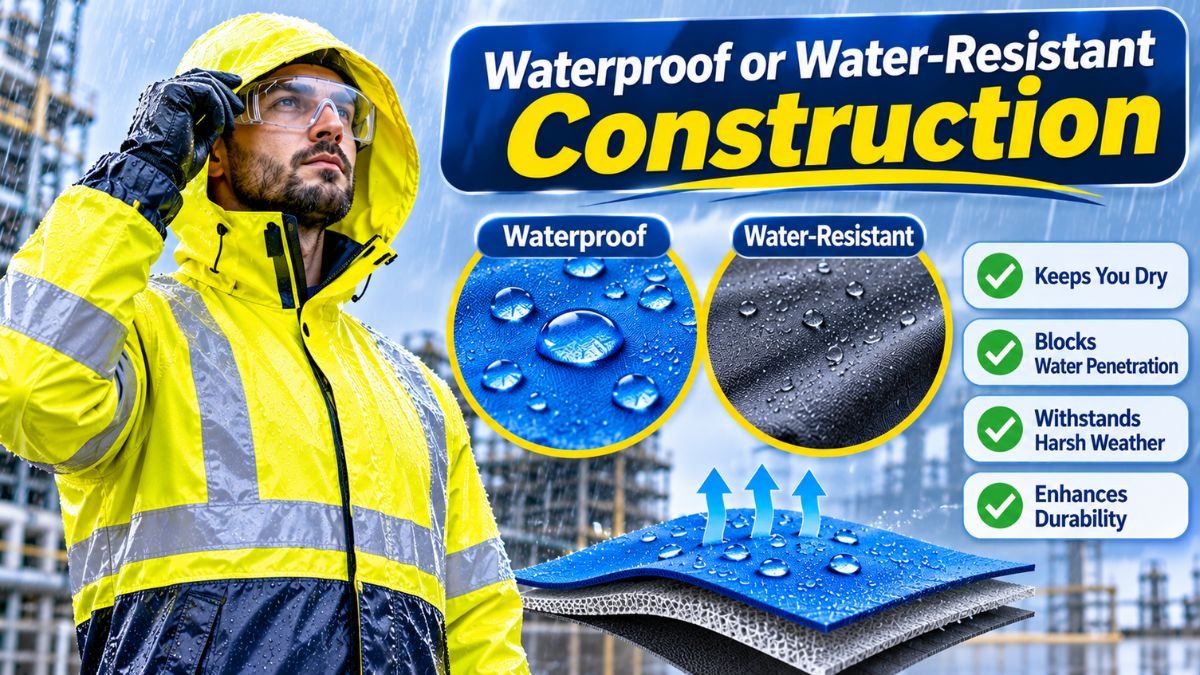
A suitable garment should provide the level of water protection required for the job.
Look for features such as:
- Waterproof or water-resistant fabric construction
- Sealed or appropriately protected seams
- Storm flaps over zippers
- Adjustable cuffs
- Secure front closures
- A suitable hood design
Not all rainwear offers the same level of waterproofness. Check the manufacturer’s specifications and test information to understand how the garment performs under expected conditions.
3. Arc Rating When Required
Electrical workers may need protective rainwear that has been tested for arc exposure.
ASTM F1891 is a specification for arc and flame resistant rainwear intended for workers who may encounter momentary electric arcs and open flames. It includes performance criteria for properties such as flame resistance, waterproofness, and arc-related performance. It does not address every electrical hazard, including electric shock from electrical contact.
When arc flash is a potential hazard, verify the garment’s actual arc rating and ensure it is appropriate for the required level of protection.
4. Durable Seams and Construction
Seams, closures, and other garment components can affect durability and water resistance.
Look for construction designed to withstand the movement and conditions associated with your work. Reinforced stress points, suitable fasteners, and well-constructed closures can help a garment withstand regular industrial use.
The construction must also preserve the garment’s required protective performance.
5. Comfortable Fit and Mobility
Protective rainwear should allow workers to move comfortably while performing their duties.
Consider features such as:
- Adjustable waistbands
- Flexible fabric construction
- Suitable sleeve and leg lengths
- Room for compatible base layers
- Adjustable cuffs and hoods
- Proper sizing for the intended wearer
Avoid garments that are excessively tight or loose. Poor fit may interfere with movement or affect how the protective ensemble performs.
6. Breathability and Moisture Management
Waterproof garments can trap body heat and perspiration, especially during physically demanding work.
Depending on the job, breathable construction, ventilation features, or moisture-management layers may improve comfort. These features must be compatible with the garment’s protective requirements.
Never modify protective clothing in a way that compromises its flame resistance, waterproofness, or other required safety properties.
7. High-Visibility Features
High-visibility rainwear can be valuable for road crews, construction teams, utility workers, and other employees working around moving vehicles or machinery.
If high visibility is required, verify the garment’s compliance with the applicable standard and performance class. Do not assume that reflective strips alone make a garment compliant.
Rain gear works best as part of a complete ensemble. See which standards apply in our NFPA 70E FR clothing requirements guide, and browse the hooded rain jacket for wet-weather outerwear.
Types of Flame Resistant Rain Gear
Different jobs require different garment designs. Understanding the available options can help you select suitable protection.
1. Flame Resistant Rain Jackets
Flame resistant rain jackets are designed to provide upper-body coverage during wet-weather work.
Common features may include waterproof fabric, storm flaps, adjustable cuffs, a protective hood, and high-visibility elements.
They can be suitable for outdoor maintenance, utility work, and industrial operations when the jacket’s tested performance matches the identified hazards.
2. Flame Resistant Rain Pants
Flame resistant rain pants help protect the lower body from wet conditions.
Some designs feature adjustable waistbands, reinforced knees, and openings that make them easier to wear over work trousers or other protective clothing.
Check that the pants are compatible with the rest of the protective ensemble.
3. Flame Resistant Bib Overalls
Bib overalls provide coverage across the legs, waist, and torso. They may be useful for workers who need additional coverage during outdoor industrial tasks.
When selecting bib overalls, consider their compatibility with the jacket, footwear, gloves, and any other required protective equipment.
4. Flame Resistant Rain Suits
A rain suit generally includes a jacket and matching trousers or bib overalls.
A complete suit can provide more consistent wet-weather coverage than separate garments, but the flame resistance and other protective properties must be verified for the actual items being worn.
Do not assume that two individually protective garments automatically form a certified protective ensemble.
5. Arc-Rated Rain Gear
Arc-rated rainwear is intended for applications where electrical arc exposure is a concern.
These garments must have appropriate arc-related test results and ratings for the intended task. Their suitability should be assessed as part of the complete electrical PPE system.
An ordinary flame resistant rain jacket is not an acceptable substitute when arc-rated protection is required.
6. High-Visibility Flame Resistant Rainwear
High-visibility flame resistant rainwear combines wet-weather protection, specified flame-resistance performance, and visibility features.
It can be useful for utility maintenance, road work, and industrial operations where employees face both weather and visibility hazards.
Check the garment’s labeling to confirm that it meets each applicable requirement independently.
Important Standards for Flame Resistant Rain Gear
Understanding protective clothing standards helps you compare products and avoid relying on vague marketing claims.
The appropriate standard depends on the hazard the garment is designed to address.
ASTM F1891: Arc and Flame Resistant Rainwear
ASTM F1891 covers rainwear intended for workers who may encounter momentary electric arcs and open flames.
Its requirements address relevant physical and thermal performance, including flame resistance, waterproofness, and arc-related properties.
Choose garments with documented compliance and an arc rating appropriate for the intended electrical application. This standard does not cover every electrical or industrial fire hazard.
ASTM F2733: Flame Resistant Rainwear for Flame Hazards
ASTM F2733 addresses flame resistant rainwear for workers who may be exposed to flame hazards, including certain industrial fire and petrochemical environments.
It establishes performance criteria for rainwear intended to be used where wet-weather protection and specific flame hazards may occur together.
NFPA 2112: Flame Resistant Clothing for Industrial Personnel
NFPA 2112 addresses flame resistant clothing designed for protection against short-duration thermal exposure from industrial fires, including flash fire hazards.
When choosing a garment for this type of risk, verify its certification and confirm that the product is intended for the relevant application.
NFPA 70E: Electrical Workplace Safety
NFPA 70E addresses electrical safety practices, including selecting personal protective equipment for electrical hazards.
It is not a product certification for rainwear. If electrical arc exposure is possible, select rainwear with the required arc-rated performance and use it as part of the appropriate protective ensemble.
Important: Standards have different scopes. A garment that meets one standard may not meet another. Always confirm the exact standard, edition, certification details, and intended use listed by the manufacturer.
How to Choose the Best Flame Resistant Rain Gear
Choosing suitable protective rainwear requires more than comparing prices. Follow these steps to make a more informed decision.
Step 1: Identify Workplace Hazards
Start by identifying the hazards employees may encounter.
These may include:
- Heavy rain and wind
- Open flames
- Flash fire exposure
- Electrical arc hazards
- Low visibility
- Contact with industrial contaminants
- Physical abrasion or demanding movement
Use a documented workplace hazard assessment to determine which protective properties are necessary.
Step 2: Choose the Correct Protection Standard
Match the garment to the identified hazard.
For example, electrical workers exposed to potential arc flash hazards may require arc-rated rainwear. Workers facing specific industrial flame hazards may require garments that meet a different relevant specification.
Do not select equipment based on the words “flame resistant” alone.
Step 3: Evaluate Waterproof Performance
Consider how much rain exposure the garment must handle.
For prolonged outdoor work, evaluate the garment’s waterproofness, seam construction, closures, and coverage. For occasional light rain, a different design may be sufficient if it also meets all required safety criteria.
Step 4: Check the Label and Certification
Read the garment label and manufacturer documentation carefully.
Confirm:
- The applicable standard and edition
- The garment’s intended use
- Arc rating, if required
- Flame resistance information
- Waterproofness information
- Manufacturer instructions
- Cleaning and maintenance requirements
- Any restrictions on use
Ask the supplier for supporting documentation if the information is unclear.
Step 5: Select the Right Size
A suitable fit helps support comfort and mobility.
Check whether the rainwear is designed to be worn over other protective clothing. Ensure that the garment does not restrict movement or interfere with required PPE.
Step 6: Consider Comfort and Durability
For employees who wear rainwear for long periods, comfort can influence whether they use it correctly.
Evaluate weight, breathability, ventilation, flexibility, and ease of movement. Also consider the durability of seams, closures, and other components.
Step 7: Review the Total Cost
The cheapest product may not offer the best value over its working life.
Compare the initial price, expected service life, maintenance requirements, replacement availability, and verified protective performance.
The goal is to select compliant gear that meets the workplace’s needs while remaining practical for daily use.
Which Industries Need Flame Resistant Rain Gear?
Flame resistant rainwear may be appropriate in several industries, depending on the specific hazards present.
Oil and Gas
Oil and gas workers may operate outdoors in wet weather near flammable materials or industrial processes.
Suitable rainwear should match the site’s documented fire hazards and other protective clothing requirements.
Electrical Utilities
Utility workers may perform outdoor inspections, maintenance, and repairs in rainy conditions.
Where electrical arc hazards exist, they may require appropriately rated rainwear and other electrical PPE based on the task’s risk assessment.
Construction
Construction employees often work outdoors in changing weather conditions. Some jobs also involve potential flame hazards, electrical work, or low visibility.
Choose rainwear that meets the relevant safety requirements for the particular work activity.
Petrochemical Facilities
Employees in petrochemical environments may need clothing designed for specific fire hazards as well as wet weather.
A garment’s standard, certification, and intended use should be reviewed carefully before it is approved for site use.
Industrial Maintenance
Maintenance technicians may work around machinery, electrical systems, and industrial processes.
The appropriate protective clothing depends on the hazards associated with the equipment and the work being performed.
Flame Resistant vs. Ordinary Waterproof Rain Gear
Although both types of clothing can help keep workers dry, they are not interchangeable when flame hazards are present.
| Feature | Ordinary Waterproof Rain Gear | Flame Resistant Rain Gear |
|---|---|---|
| Rain protection | Depends on product specifications | Depends on product specifications |
| Flame resistance | Not guaranteed | Designed to meet specified flame-resistance requirements |
| Arc protection | Not guaranteed | Only when appropriate arc-rated performance is verified |
| Industrial applications | Suitable for jobs without relevant flame hazards, when otherwise appropriate | Suitable when its tested protection matches the identified hazards |
| Certification | Waterproofness and other relevant claims should be checked | Flame-related standards and other applicable claims should be verified |
| Maintenance | Follow manufacturer instructions | Follow manufacturer instructions to preserve protective performance |
The key difference: Waterproofness does not establish flame resistance, and flame resistance does not automatically establish arc protection.
How to Maintain Flame Resistant Rain Gear
Proper maintenance helps preserve garment condition and supports continued safe use.
1. Follow the Manufacturer’s Washing Instructions
Use the cleaning method specified on the garment label. Avoid unapproved detergents, additives, or cleaning procedures that could damage the fabric, coating, or protective properties.
2. Inspect the Garment Before Each Use
Check for damage that may affect performance, including:
- Torn or abraded fabric
- Damaged seams
- Defective zippers or closures
- Peeling or deteriorating coatings
- Contamination by oil, grease, or chemicals
- Damaged reflective elements
- Missing or unreadable labels
Remove damaged garments from service when their protective performance may be compromised.
3. Avoid Unauthorized Repairs
Do not use ordinary patches, adhesives, or replacement components unless the manufacturer confirms they are suitable.
Repairs that compromise flame resistance, waterproofness, or arc-rated performance can make the garment unsuitable for use.
4. Store the Gear Properly
Store rainwear in a clean, dry location according to the manufacturer’s recommendations.
Protect it from excessive heat, direct sunlight when inappropriate, chemicals, sharp objects, and other conditions that could cause deterioration.
5. Replace Damaged or Worn-Out Clothing
Protective rainwear has a service life. Replace garments that are damaged, contaminated beyond approved cleaning methods, or no longer meet the required protective specifications.
Do not rely on a garment’s appearance alone to determine whether its protective properties remain intact.
Common Mistakes to Avoid When Buying Flame Resistant Rainwear
Avoid these common purchasing mistakes to help ensure the gear is suitable for your workplace.
Choosing Based on Price Alone
Low-cost products may not meet the necessary protective requirements. Compare documented performance, certification, durability, comfort, and expected service life.
Assuming All FR Clothing Is Arc-Rated
Flame resistance and arc-rated protection are different. Verify the arc rating whenever the task requires protection against electrical arc exposure.
Ignoring Waterproofness
A garment may be flame resistant but still fail to provide the level of rain protection needed for the job. Check its waterproofness specifications separately.
Overlooking Compatibility With Other PPE
Rainwear must work with the rest of the protective ensemble. Consider its compatibility with gloves, footwear, helmets, eye protection, and other required equipment.
Ignoring Cleaning and Maintenance
Improper washing, repairs, or storage may damage protective properties. Follow the manufacturer’s care instructions and establish a regular inspection process.
Trusting Unsupported Certification Claims
Do not rely solely on product descriptions or supplier statements. Request labels, test information, and certification documentation appropriate to the garment’s intended use.
Frequently Asked Questions About the Best Flame Resistant Rain Gear
1. What Is the Best Flame Resistant Rain Gear?
The best flame resistant rain gear is a garment that meets the required flame-resistance and waterproofness criteria for the intended workplace. If arc flash is a hazard, the garment must also have suitable arc-rated performance.
There is no single product that is best for every industry. The right choice depends on the hazard assessment, required standards, working conditions, and fit.
2. Is Flame Resistant Rain Gear Waterproof?
Some flame resistant rainwear is waterproof, while other products may provide only water resistance.
Check the manufacturer’s technical specifications and testing information to confirm the garment’s level of water protection.
3. Is Flame Resistant Rain Gear the Same as Arc-Rated Rainwear?
No. Flame resistant rainwear is designed to meet specified flame-related performance requirements. Arc-rated rainwear has also been tested and assigned an arc rating for relevant electrical arc exposure.
Use an arc-rated garment when required by the electrical hazard assessment.
4. Can Flame Resistant Rain Gear Be Used in Oil and Gas Facilities?
It can be appropriate when the garment is designed and certified for the site’s identified hazards.
Oil and gas workplaces may present different types of fire and thermal risks. Confirm the applicable standard and obtain approval through the site’s PPE selection process.
5. Does Flame Resistant Rainwear Last Forever?
No. Protective rainwear can deteriorate through wear, contamination, improper cleaning, and exposure to harsh conditions.
Inspect the garment regularly, follow its care instructions, and replace it when required.
6. Can Flame Resistant Rain Gear Be Washed?
Many garments can be cleaned, but the correct process depends on the product.
Always follow the manufacturer’s washing and drying instructions. Unapproved cleaning products or methods may damage the garment or reduce its protective performance.
7. What Should I Look for When Buying FR Rainwear?
Look for verified flame-resistance performance, suitable waterproofness, the required certification, durable construction, proper fit, comfort, and compatibility with other PPE.
If electrical arc hazards are present, confirm the garment’s arc rating.
8. Is High-Visibility Flame Resistant Rain Gear Available?
Yes. Some products combine flame-resistant performance, rain protection, and high-visibility features.
Check that the specific garment meets the relevant requirements for all three functions.
Conclusion
Choosing the best flame resistant rain gear is an important part of protecting employees who work outdoors in wet conditions and may face flame or thermal hazards. The right garment should provide the necessary rain protection, meet the relevant flame-resistance requirements, and offer suitable comfort, durability, and fit.
Before buying, identify the workplace hazards, verify the garment’s standards and certifications, and check whether arc-rated protection is required. Regular inspections, correct cleaning, and proper storage are also essential for maintaining protective clothing.
Ultimately, the best flame resistant rainwear is not simply the most expensive or most popular option. It is the garment whose verified performance matches the actual risks workers face.
Safety note: This guide provides general information and does not replace a workplace hazard assessment, applicable regulations, manufacturer instructions, or advice from a qualified safety professional.