
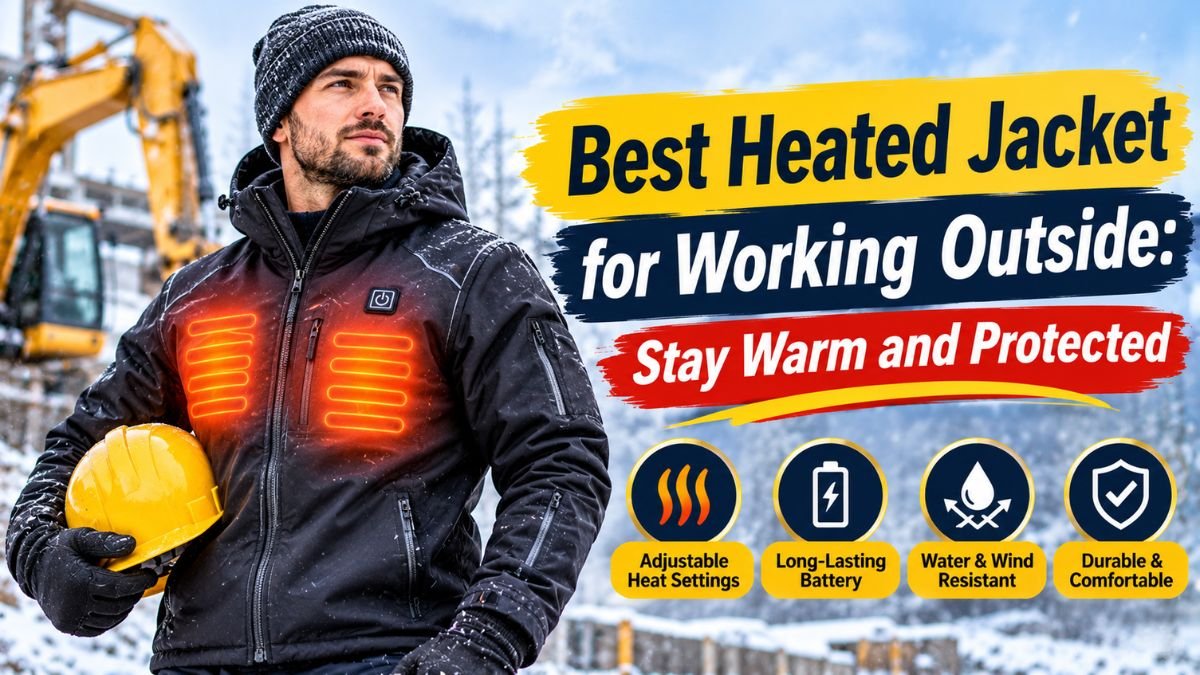
Working outdoors during cold weather can be challenging, especially when low temperatures, strong winds, and snow make everyday tasks uncomfortable. Whether you work in construction, manufacturing, transportation, landscaping, or other outdoor industries, staying warm is essential for maintaining comfort, productivity, and safety.
One of the best solutions for cold-weather work is a heated jacket. Unlike traditional winter jackets, heated jackets use built-in heating elements powered by rechargeable batteries to provide additional warmth where your body needs it most.
Choosing the best heated jacket for working outside can make a significant difference during long work shifts. These jackets combine insulation, weather protection, and adjustable heating technology to help workers stay comfortable in demanding outdoor environments.
In this guide, we will explore how heated jackets work, their important features, different types, benefits, and how to choose the right option for your workplace.
Looking for cold-weather workwear? Explore our construction workwear manufacturing, see the Toughguy pile lined jacket, and read what a hi vis jacket is.
What Is a Heated Jacket?
A heated jacket is specially designed outerwear that uses electrically powered heating elements to generate warmth. These heating elements are usually placed in important areas such as the chest, back, and sometimes the arms.
Most heated jackets operate using rechargeable lithium-ion batteries. Workers can activate the heating system through a built-in button and select different temperature settings depending on weather conditions and personal comfort.
Unlike ordinary winter jackets that rely only on insulation to retain body heat, heated jackets actively produce warmth.
They are particularly useful for people who spend extended periods working outdoors in cold environments.
Why Do Outdoor Workers Need a Heated Jacket?
Outdoor workers often face changing weather conditions throughout the day. Traditional winter clothing may not always provide enough warmth, especially when workers remain stationary for long periods.
A heated jacket offers several advantages for people working in cold conditions.
1. Provides Consistent Warmth
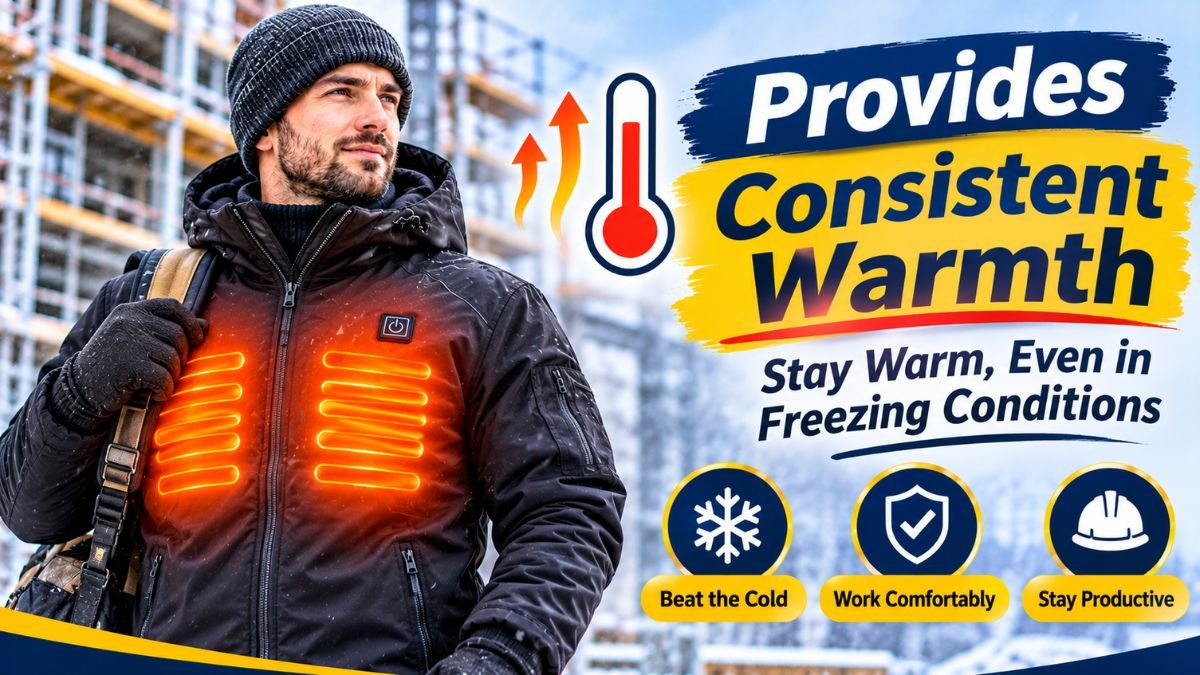
Heated jackets contain integrated heating elements that help maintain warmth during cold-weather activities.
This feature is especially useful for construction workers, security personnel, delivery drivers, and warehouse employees who regularly work in low temperatures.
2. Improves Workplace Comfort
Cold weather can make physical tasks uncomfortable and difficult. A heated jacket provides adjustable warmth, helping workers remain more comfortable throughout their shifts.
3. Supports Outdoor Productivity
When workers feel comfortable, they can concentrate more effectively on their responsibilities. Heated jackets help reduce discomfort caused by cold weather, allowing employees to focus on their daily tasks.
4. Offers Adjustable Temperature Settings
Many heated jackets include multiple heating levels. Workers can increase the temperature during extremely cold conditions or reduce it when performing physically demanding activities.
5. Provides Additional Weather Protection
Many models combine heating technology with wind-resistant, water-resistant, or insulated outer materials.
These features help protect workers from challenging outdoor conditions.
Key Features to Look for in the Best Heated Jacket for Working Outside
Not all heated jackets are designed for demanding workplace environments. Before purchasing one, it is important to understand the features that affect comfort, durability, and performance.
1. Heating Elements and Coverage
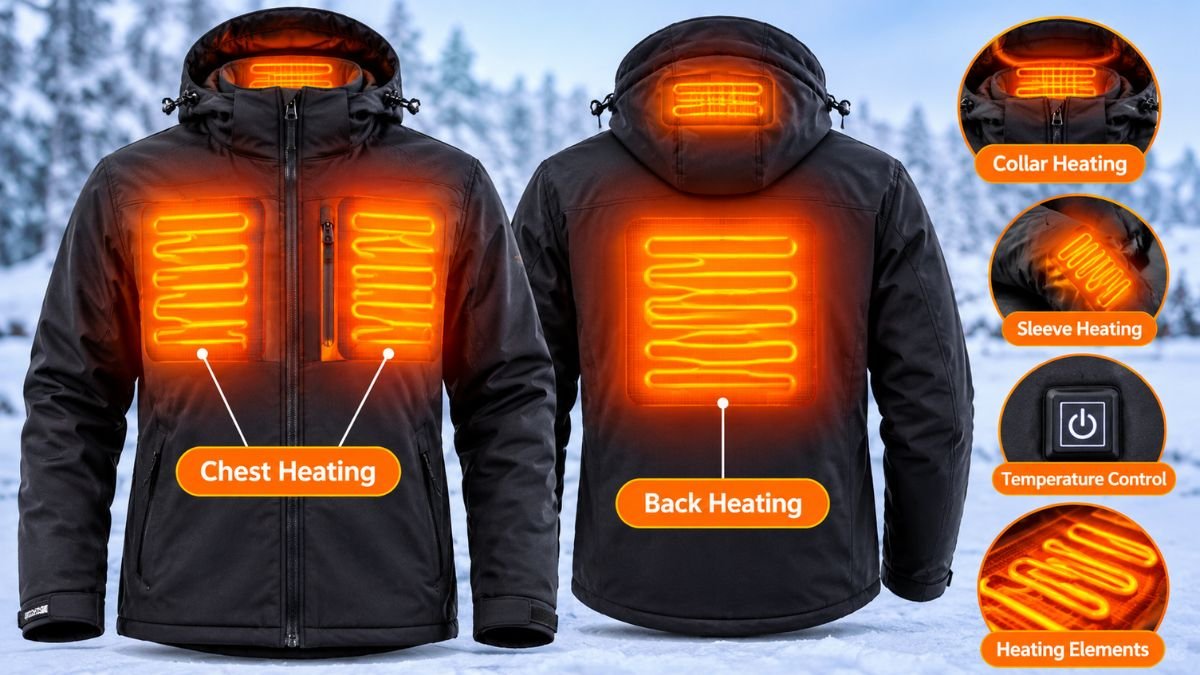
Heating elements are one of the most important features of a heated jacket.
Most models include heating panels in the chest and back areas, while some advanced designs also provide heating around the collar and arms.
When choosing a jacket, consider:
- Number and placement of heating elements.
- Heating coverage across the upper body.
- Even distribution of warmth.
- Available temperature settings.
- Ease of controlling the heating system.
A jacket with strategically positioned heating elements can provide better overall comfort during outdoor work.
2. Battery Life and Power Options
Battery performance is extremely important for workers who spend several hours outside.
Most heated jackets use rechargeable lithium-ion batteries. Depending on the battery capacity, heating level, weather conditions, and jacket design, operating time can vary considerably.
Before purchasing, check:
- Battery capacity.
- Expected runtime on each heating setting.
- Charging time.
- Battery replacement availability.
- Whether an additional battery is available.
For long work shifts, carrying a compatible spare battery can be helpful.
3. Durable Outer Fabric
Outdoor workwear must withstand regular use, movement, and contact with different workplace surfaces.
Look for jackets made from durable materials such as polyester, nylon, or reinforced fabric blends.
Important material characteristics include:
- Abrasion resistance.
- Tear resistance.
- Wind resistance.
- Water resistance.
- Easy maintenance.
A durable outer shell helps extend the jacket’s useful life in demanding working environments.
4. Water and Wind Resistance
Outdoor workers frequently experience rain, snow, and strong winds.
A water-resistant jacket can help protect against light moisture, while wind-resistant materials reduce the amount of cold air entering the garment.
However, water-resistant and waterproof are not the same. Workers exposed to heavy rain should look for a jacket with an appropriate waterproof rating and sealed seams.
Always check the manufacturer’s instructions before using or washing an electrically heated garment.
5. Comfortable Fit and Mobility
A heated jacket should provide warmth without restricting movement.
Construction workers, electricians, mechanics, and delivery personnel often need to bend, stretch, lift, and move throughout their shifts.
Choose a jacket that offers:
- Flexible fabric.
- Comfortable shoulder movement.
- Adjustable cuffs.
- A suitable length.
- Enough room for additional clothing layers.
- Convenient pockets.
A proper fit improves comfort and makes the jacket more practical for everyday work.
6. Safety Features
Battery-powered heated clothing should include reliable electrical and battery safety features.
Look for products from reputable manufacturers that provide clear instructions, compatible batteries, and appropriate protection against electrical faults and overheating.
Important considerations include:
- Overheating protection.
- Reliable battery connections.
- Manufacturer-approved chargers.
- Secure battery compartments.
- Clear operating instructions.
Avoid damaged batteries, incompatible chargers, and modified electrical components.
Heated layers work best under a weather-resistant outer shell. See flame resistant rain gear and hi vis jackets, or browse the pro softshell jacket.
Different Types of Heated Jackets for Outdoor Work
Heated jackets are available in different designs to meet the requirements of various industries and working conditions.
1. Heated Softshell Jackets
Heated softshell jackets combine flexible materials with built-in heating technology.
They are suitable for workers who need mobility and protection against cool weather and light wind.
Common applications include landscaping, outdoor maintenance, delivery services, and general construction work.
2. Heated Insulated Jackets
Heated insulated jackets combine traditional insulation with powered heating elements.
They are useful in colder environments where workers need additional warmth throughout the day.
These jackets are commonly used for outdoor construction, transportation, and winter maintenance activities.
3. Heated Work Jackets
Heated work jackets are designed with workplace durability in mind.
They may include reinforced stitching, practical storage pockets, durable outer fabrics, and adjustable heating systems.
They are suitable for people who need both everyday workwear functionality and additional warmth.
4. Heated Waterproof Jackets
Heated waterproof jackets are designed for workers exposed to wet and cold environments.
They typically combine heating elements with waterproof construction.
Before choosing one, check the waterproof rating, seam construction, and manufacturer’s instructions for operating the electrical heating system in wet conditions.
5. Heated Hooded Jackets
Heated hooded jackets provide additional coverage around the head and neck.
They are useful for workers exposed to cold winds and changing outdoor temperatures.
A properly fitted hood can help reduce heat loss and improve overall comfort.
Best Heated Jacket for Different Outdoor Jobs
Different jobs require different workwear features. Choosing the right heated jacket depends on the environment, physical activity, and workplace requirements.
Heated Jackets for Construction Workers
Construction workers often spend long hours outdoors and face changing weather conditions.
A suitable heated work jacket should offer durable fabric, reliable heating elements, comfortable movement, and practical pockets.
Wind-resistant construction and reinforced areas are also valuable features.
Heated Jackets for Electricians
Electricians need workwear that allows easy movement while working around equipment and electrical installations.
A heated jacket should have a comfortable fit and secure battery storage.
Workers must also follow electrical safety requirements and ensure that heated clothing is appropriate for the specific work environment. A heated jacket does not provide electrical insulation or arc-flash protection.
Heated Jackets for Delivery Drivers
Delivery drivers may frequently move between heated vehicles and cold outdoor environments.
A lightweight heated jacket with adjustable temperature settings can help maintain comfort throughout the working day.
Easy-to-access pockets and a flexible design are additional advantages.
Heated Jackets for Warehouse Workers
Warehouse employees may work in cold storage facilities, loading areas, or partially enclosed spaces.
A heated jacket can provide additional warmth during low-temperature tasks.
Workers should select clothing appropriate for the facility’s temperature, activity level, and safety requirements.
Heated Jackets for Outdoor Maintenance Workers
Landscaping, road maintenance, and utility workers often work in changing outdoor conditions.
A durable heated jacket with wind protection, flexible fabric, and dependable battery performance can be a practical addition to their workwear.
Benefits of Using a Heated Jacket for Working Outside
Heated jackets provide several advantages compared with traditional winter workwear.
1. Reduces Dependence on Heavy Clothing Layers
Traditional winter clothing often requires multiple layers to provide enough insulation.
Heated jackets offer an additional source of warmth, potentially reducing the need for excessive layering.
Workers should still wear suitable base layers and protective outerwear when necessary.
2. Provides Targeted Heating
One major advantage of heated jackets is their ability to generate warmth in specific areas.
Heating panels are commonly positioned around the chest and back, helping workers maintain upper-body comfort.
3. Supports Different Weather Conditions
Adjustable heating settings make it easier to respond to changing temperatures.
Workers can select a suitable heating level based on their activity and environmental conditions.
4. Convenient Rechargeable Power
Most modern heated jackets use rechargeable batteries.
This allows workers to recharge their jackets between shifts rather than relying on disposable heating products.
5. Suitable for Different Industries
Heated jackets can be used in several industries, including:
- Construction.
- Manufacturing.
- Transportation.
- Logistics.
- Landscaping.
- Outdoor maintenance.
- Agriculture.
- Security services.
Their versatility makes them a useful cold-weather clothing option for many outdoor professionals.
How to Choose the Best Heated Jacket for Working Outside
Selecting the right heated jacket requires considering several important factors.
1. Understand Your Working Environment
Start by evaluating where you will use the jacket.
For example, workers exposed to strong winds may need a wind-resistant outer shell, while people working in wet conditions should consider waterproof construction.
2. Check the Battery Runtime
Consider how many hours you typically work outdoors.
Choose a jacket with sufficient battery runtime for your work schedule. Remember that higher heating settings generally consume more power.
3. Select the Right Material
Choose durable, comfortable materials that can withstand regular workplace use.
Polyester and nylon fabrics are common options because they can provide useful combinations of durability, flexibility, and weather resistance.
4. Consider Heating Zones
Compare the number and placement of heating panels.
A jacket with chest and back heating may be sufficient for many workers, while others may prefer additional coverage around the collar or arms.
5. Check Size and Fit
A heated jacket should fit comfortably over your normal work clothing.
Avoid overly tight designs that restrict movement or compress insulation.
6. Compare Maintenance Requirements
Check whether the jacket is machine washable or requires special cleaning procedures.
Always remove the battery before washing if the manufacturer requires it, and follow the care label carefully.
7. Consider Your Budget
Heated jackets are available at different price points.
Rather than choosing the cheapest option, compare battery performance, fabric quality, heating coverage, warranty, and replacement battery availability.
Heated Jacket vs. Traditional Winter Jacket: Which Is Better?
Both heated jackets and traditional winter jackets can provide warmth during cold weather. However, they work differently.
| Feature | Heated Jacket | Traditional Winter Jacket |
|---|---|---|
| Heating system | Built-in powered heating elements | Natural insulation |
| Power source | Rechargeable battery | No battery required |
| Temperature control | Usually adjustable | No powered adjustment |
| Warmth | Active heating and insulation | Insulation and heat retention |
| Maintenance | Requires battery and electrical care | Generally simpler |
| Best use | Cold outdoor work and extended exposure | Everyday winter wear |
A heated jacket can be a better option for workers who need adjustable warmth during long periods outdoors.
However, a high-quality traditional winter jacket may be more suitable for people who prefer simple clothing without batteries or electrical components.
The right choice depends on working conditions, comfort preferences, and budget.
Safety Tips for Using Heated Jackets at Work
Although heated jackets are designed for cold-weather comfort, workers should follow proper safety practices.
Here are some important recommendations:
- Always use the battery and charger recommended by the manufacturer.
- Inspect cables, connectors, and heating elements regularly.
- Stop using the jacket if electrical components become damaged.
- Avoid using damaged or swollen batteries.
- Follow the manufacturer’s washing and drying instructions.
- Do not modify the heating system.
- Keep battery connections secure and protected.
- Follow workplace requirements for protective clothing.
- Avoid using heated clothing in environments where its electrical components may create additional hazards.
Important: Heated jackets are not substitutes for certified personal protective equipment (PPE). If your job involves arc-flash hazards, electrical exposure, fire risks, or chemical hazards, choose clothing that meets the applicable workplace safety standards.
How to Maintain Your Heated Work Jacket
Proper maintenance helps preserve the performance and lifespan of your heated jacket.
1. Remove the Battery Before Cleaning
Disconnect and remove the battery according to the manufacturer’s instructions before washing or cleaning the jacket.
2. Follow Washing Instructions
Check the care label for recommended washing methods.
Some heated jackets are machine washable, while others require specific cleaning procedures.
3. Avoid Excessive Heat
Do not expose the jacket or battery to excessive heat during drying or storage.
Use only the drying method recommended by the manufacturer.
4. Inspect Heating Elements Regularly
Check the jacket for damaged wires, loose connections, unusual heating patterns, or other signs of wear.
Stop using the garment if you notice damage.
5. Store Batteries Properly
Store rechargeable batteries in a cool, dry location according to manufacturer recommendations.
Avoid storing damaged batteries or leaving them exposed to extreme temperatures.
Common Mistakes to Avoid When Buying a Heated Jacket
Before purchasing a heated jacket, avoid these common mistakes:
Ignoring battery runtime: A jacket with insufficient battery life may not provide warmth throughout your work shift.
Choosing the wrong size: An uncomfortable fit can restrict movement and reduce practicality.
Overlooking fabric quality: Weak outer materials may not withstand demanding workplace conditions.
Ignoring weather protection: Not every heated jacket is designed for heavy rain, snow, or strong winds.
Focusing only on heating power: Battery performance, insulation, durability, and comfort are equally important.
Ignoring safety instructions: Incorrect battery handling and improper maintenance can create unnecessary risks.
Frequently Asked Questions (FAQs)
1. What Is the Best Heated Jacket for Working Outside?
The best heated jacket for working outside is one that combines reliable heating elements, long battery runtime, durable materials, comfortable fitting, and suitable weather protection.
The ideal option depends on your workplace environment and daily requirements.
2. How Long Does a Heated Jacket Battery Last?
Battery runtime depends on battery capacity, heating settings, outside temperature, and jacket design.
Many manufacturers provide estimated runtimes for different heating levels. Always check the product specifications before purchasing.
3. Are Heated Jackets Worth It for Outdoor Workers?
Yes, heated jackets can be a worthwhile investment for workers who regularly spend long periods in cold environments.
They provide adjustable warmth and can improve comfort during outdoor activities.
4. Can You Wear a Heated Jacket in the Rain?
Some heated jackets are designed to resist water, while others are intended mainly for dry conditions.
Always check the manufacturer’s waterproof or water-resistance specifications before wearing one in wet weather.
5. Are Heated Jackets Safe for Daily Use?
Heated jackets can be used regularly when they are properly designed, maintained, and operated according to the manufacturer’s instructions.
Inspect the battery and electrical components regularly and avoid using damaged equipment.
6. Can a Heated Jacket Replace a Winter Coat?
A heated jacket may replace a traditional winter coat in some situations, depending on its insulation and weather protection.
However, workers in extremely cold environments may still need additional insulating layers and suitable protective outerwear.
7. Which Heating Areas Are Most Important in a Heated Jacket?
Chest and back heating zones are common because they provide warmth around the upper body.
Some jackets also include heating elements around the collar and arms for additional coverage.
8. What Should I Look for in a Heated Work Jacket?
Look for durable fabric, reliable heating elements, rechargeable battery performance, adjustable temperature settings, comfortable fitting, and appropriate weather protection.
Conclusion
Choosing the best heated jacket for working outside is an important step toward staying comfortable during cold-weather jobs. Whether you work in construction, manufacturing, transportation, landscaping, or outdoor maintenance, the right heated jacket can provide additional warmth and make challenging working conditions more manageable.
When comparing different options, focus on heating coverage, battery runtime, durable materials, weather resistance, comfortable fitting, and safety features.
A high-quality heated work jacket should combine practical workplace functionality with reliable heating technology.
By selecting the right jacket for your working environment and maintaining it properly, you can enjoy greater comfort and better protection against cold weather throughout your workday.