
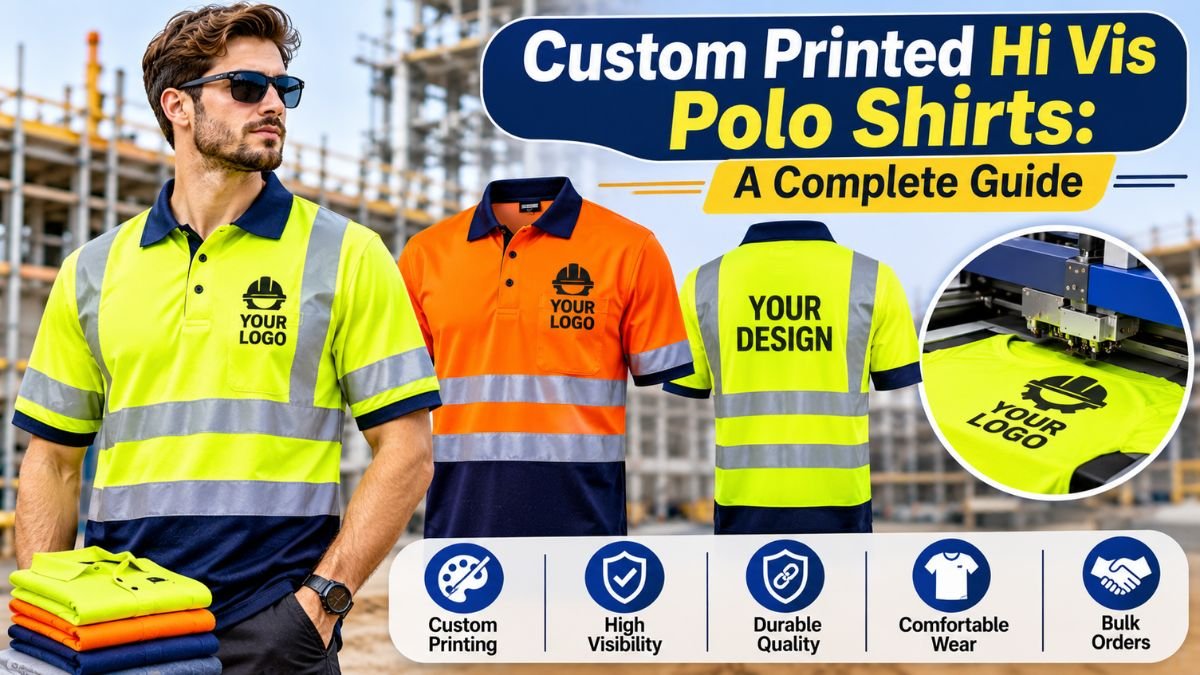
Custom printed hi vis polo shirts combine workplace visibility with professional branding. They help employees stay noticeable while representing their company. Businesses can customize these shirts with logos, names, colors, and other design details.
These garments are popular in construction, logistics, manufacturing, transport, maintenance, and many other industries. They offer a practical option for teams that need comfortable workwear with a professional appearance.
However, choosing the right shirt involves more than selecting a bright color. You must consider fabric quality, reflective materials, printing methods, fit, and workplace safety requirements.
This guide explains everything you need to know about custom printed hi vis polo shirts. You will learn how to choose suitable materials, select printing options, and create workwear for your team.
Want branded hi vis polos? Explore our custom hi vis workwear manufacturing, see the short sleeve polo shirt, and read the ANSI standard for high visibility clothing.
What Are Custom Printed Hi Vis Polo Shirts?
Custom printed hi vis polo shirts are high-visibility work shirts with personalized designs. They usually feature fluorescent fabric, reflective details, and a collared polo-style design.
The bright fabric helps workers stand out during daylight. Reflective materials improve visibility when light shines on them in darker conditions.
The customization makes these shirts suitable for company uniforms and branded workwear. Businesses can add their logos, department names, employee details, or other approved graphics.
Common features include:
- Fluorescent yellow, orange, or other approved background colors.
- Reflective tape or reflective design elements.
- Short or long sleeves.
- Breathable and moisture-managing fabrics.
- Custom company logos and text.
- Buttoned collars and professional styling.
- Different sizes and garment fits.
Not every hi vis polo shirt provides the same safety performance. A bright polo shirt is not automatically certified high-visibility protective apparel.
If workers face specific visibility hazards, choose garments that meet the applicable safety requirements. Confirm the garment’s certification and performance details before ordering.
Why Choose Custom Printed Hi Vis Polo Shirts?
Businesses choose custom printed hi vis polo shirts for several practical reasons. They combine workplace visibility, employee comfort, and company branding.
Here are some important benefits.
1. Improve Workplace Visibility
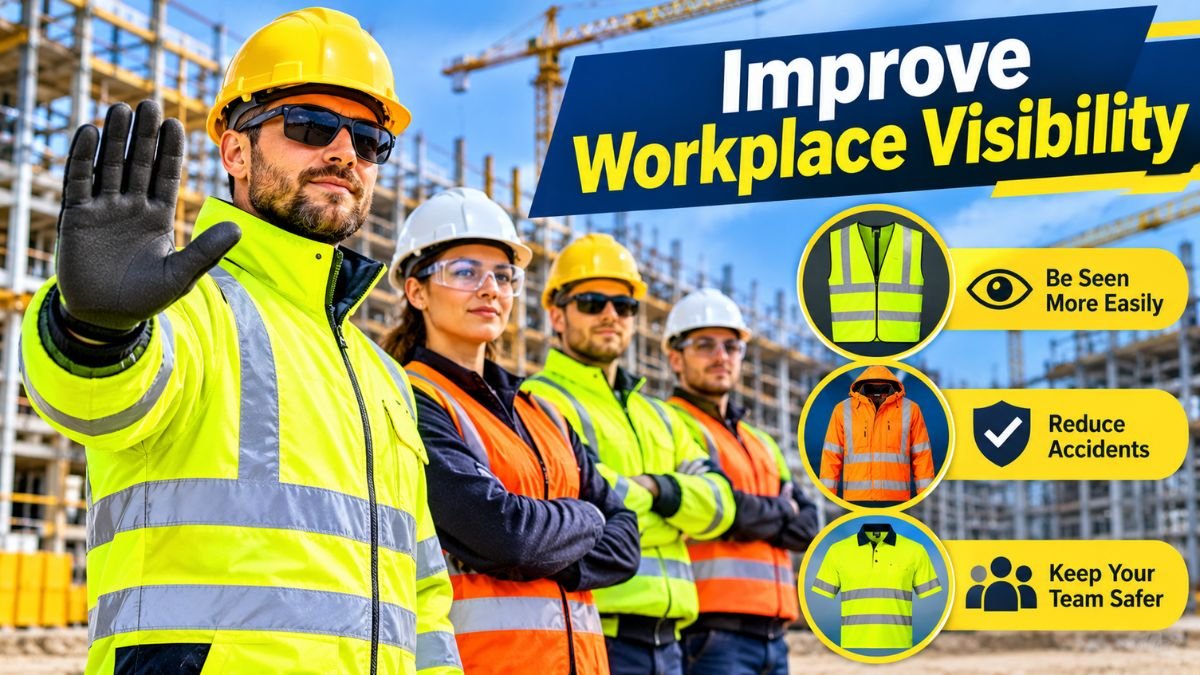
High-visibility clothing helps workers stand out in busy environments. Bright fluorescent materials create a stronger contrast against many workplace backgrounds.
This can help vehicle operators, equipment drivers, and other workers notice employees more easily.
Reflective materials provide another visibility benefit. They return light toward its source, making workers more noticeable under suitable artificial lighting.
However, visibility depends on several factors. These include lighting, weather, background conditions, garment design, and the worker’s position.
2. Promote Your Company Brand
Custom printing gives businesses an opportunity to display their identity. Companies can add logos, brand names, and other approved information.
A consistent uniform also creates a more organized appearance. Customers can identify employees more easily at worksites and service locations.
Printed branding can include:
- Company logos.
- Business names.
- Department names.
- Employee names.
- Website addresses.
- Short promotional messages.
Keep printed designs simple and readable. Large or poorly placed graphics may interfere with the garment’s visibility features.
3. Improve Employee Comfort
A comfortable uniform can make daily work easier. Polo shirts often provide a softer and more familiar feel than some traditional workwear designs.
Fabric selection plays an important role in comfort. Lightweight polyester and suitable fabric blends can support everyday movement.
Other useful features include breathable construction, comfortable collars, and flexible fits.
Choose materials according to the working environment. Outdoor workers may need different fabric properties from employees working indoors.
4. Create a Consistent Team Appearance
Matching uniforms help create a professional company image. They also make it easier to identify different teams and departments.
Businesses can use different printed designs for different roles. For example, supervisors may have additional identification on their shirts.
Consistent uniforms can also support workplace organization. Employees can recognize team members and authorized staff more easily.
5. Support Everyday Workwear Needs
Hi vis polo shirts are useful for many routine work activities. They provide a practical uniform option when the required protection level allows their use.
Employees can wear them during inspections, maintenance tasks, warehouse operations, and site visits.
Some workplaces may require additional protective clothing. Always check the task’s risk assessment before choosing a uniform.
Common Types of Custom Printed Hi Vis Polo Shirts

Custom printed hi vis polo shirts are available in several styles. Each style offers different features for workplace use.
Short Sleeve Hi Vis Polo Shirts
Short sleeve polo shirts are popular in warm environments. They provide a familiar uniform design while allowing more airflow around the arms.
They are commonly used in warehouses, transport services, outdoor maintenance, and light industrial work.
Businesses can customize them with chest logos, back printing, and department names.
Long Sleeve Hi Vis Polo Shirts
Long sleeve designs provide additional arm coverage. They may suit cooler conditions or workplaces where employees prefer more coverage.
Some designs include reflective bands around the sleeves. These details can improve visibility when properly designed and tested.
Check whether the garment meets the required safety standard. Sleeve length alone does not determine its performance class.
Two-Tone Hi Vis Polo Shirts
Two-tone polo shirts combine fluorescent fabric with darker panels. The darker sections often appear around the lower body, shoulders, or sides.
This design can help hide dirt in areas that become dirty quickly. It can also create a distinctive company uniform.
However, dark panels must not reduce the required amount of high-visibility material. Confirm the garment’s compliance before choosing this style for safety-critical work.
Moisture-Wicking Hi Vis Polo Shirts
Moisture-wicking polo shirts help move perspiration away from the skin. This feature can improve comfort during active work.
Polyester fabrics are commonly used for this purpose. Their performance depends on fabric construction and finishing.
These shirts may suit employees working outdoors or in warm conditions.
Breathable Hi Vis Polo Shirts
Breathable polo shirts allow air to move through the fabric. This can help reduce discomfort during long shifts.
Mesh panels and lightweight knitted fabrics are common design options. Their suitability depends on the workplace and required safety performance.
Branding a uniform order? Read best private label clothing manufacturers to see how brands work with manufacturers, or browse the short sleeve polo shirt.
Best Fabrics for Custom Printed Hi Vis Polo Shirts
Fabric selection affects comfort, durability, appearance, and printing quality. The best option depends on the work environment and uniform requirements.
Polyester Fabric
Polyester is a common choice for high-visibility workwear. It is lightweight, durable, and generally quick-drying.
It can also hold its shape during regular use. Many polyester fabrics support different printing methods.
Important benefits include:
- Lightweight construction.
- Good durability.
- Quick-drying performance.
- Easy-care properties.
- Suitable options for moisture management.
- Compatibility with several printing methods.
However, not every polyester fabric feels the same. Fabric weight, knit structure, and finishing affect its comfort.
Cotton Fabric
Cotton is known for its soft and comfortable feel. It can suit indoor work environments and some everyday uniform applications.
However, standard cotton does not automatically provide high-visibility performance. The fabric must meet the required color and performance specifications.
Cotton may also absorb more moisture than many polyester fabrics. This can make it slower to dry after heavy perspiration or washing.
Polyester-Cotton Blends
Polyester-cotton blends combine properties from both fibers. Polyester can improve durability and drying time. Cotton can provide a softer hand feel.
The exact performance depends on the fiber ratio and fabric construction.
For example, a business may choose a blend when comfort and easy maintenance are important. It should still confirm that the finished garment meets the required visibility standard.
Recycled Polyester
Recycled polyester is produced using recovered polyester materials. It can be used in some workwear fabrics and uniform products.
Businesses may choose it to support their material sourcing goals. However, recycled content alone does not prove that a garment is environmentally sustainable.
Check the supplier’s material documentation. Also confirm that the fabric meets the garment’s safety, durability, and printing requirements.
Popular Colors for Custom Printed Hi Vis Polo Shirts
Color is an important part of high-visibility garment design. The right background color helps workers stand out against their surroundings.
Common options include:
Fluorescent Yellow
Fluorescent yellow is widely used in high-visibility clothing. It offers strong daytime visibility in many working environments.
Businesses often choose it for construction, road maintenance, warehouses, and industrial uniforms.
Fluorescent Orange
Fluorescent orange is another popular workwear color. It can provide a strong contrast against natural and industrial backgrounds.
It is commonly used by road crews, construction teams, and outdoor maintenance workers.
Fluorescent Red-Orange
Some high-visibility garments use fluorescent red-orange materials. This option can suit workplaces where the color provides suitable contrast.
The selected color must meet the relevant standard’s requirements. A visually bright shade is not necessarily an approved background material.
Two-Tone Color Combinations
Two-tone designs combine a fluorescent base with darker sections. Popular combinations include yellow with navy and orange with black.
These designs can provide a professional appearance. However, decorative color choices must not reduce the required high-visibility material area.
Custom Printing Methods for Hi Vis Polo Shirts
Printing method affects the appearance, durability, and feel of a uniform. The best method depends on the fabric, artwork, order quantity, and garment design.
Screen Printing
Screen printing uses screens to transfer ink onto fabric. It is a common option for larger uniform orders.
This method can produce clear and consistent designs. It works well for simple logos and limited-color artwork.
Benefits include:
- Suitable for bulk orders.
- Strong color coverage.
- Good results for simple designs.
- Consistent printing across garments.
Screen printing may require separate screens for different colors. Complex artwork can increase setup costs.
The printer should also confirm that the ink is suitable for the garment fabric.
Heat Transfer Printing
Heat transfer printing applies a design using heat and pressure. The artwork is transferred onto the garment through a suitable transfer material.
It can work well for names, numbers, and detailed logos. It is also useful for smaller orders.
Benefits include:
- Suitable for smaller quantities.
- Useful for detailed designs.
- Supports individual names and numbers.
- Allows flexible artwork placement.
The transfer material must be compatible with the garment. Poor application can lead to peeling, cracking, or reduced durability.
Direct-to-Film Printing
Direct-to-film printing uses a printed transfer film. The design is then applied to the garment using heat and pressure.
It can reproduce detailed artwork and multiple colors. This makes it useful for complex company logos.
However, print performance depends on the transfer materials and application process. Always test the design on the selected fabric before bulk production.
Embroidery
Embroidery creates designs using stitched thread. It gives polo shirts a textured and professional appearance.
Businesses often use embroidery for small chest logos. It can provide a durable branding option when properly produced.
However, embroidery is not suitable for every design or fabric. Large stitched areas can affect garment comfort and flexibility.
It should also be positioned carefully. Never allow embroidery to cover or disrupt required reflective elements.
Sublimation Printing
Sublimation printing uses heat to transfer dye into suitable synthetic fabrics. It is commonly used with polyester materials.
The design becomes part of the fabric rather than forming a separate surface layer.
Benefits include:
- Detailed and colorful artwork.
- No thick print layer.
- Useful for all-over designs.
- Good compatibility with suitable polyester fabrics.
Sublimation has important limitations. It generally works best on compatible light-colored polyester materials.
It may also be unsuitable for garments that already have completed reflective trim or other components. Confirm the production process with the manufacturer.
Where Should You Place Custom Prints?
Print placement affects appearance, readability, and garment performance. Businesses should plan every design before production.
Common printing locations include:
Left Chest
The left chest is a popular location for company logos. It keeps branding visible without covering a large part of the shirt.
Small logos usually work well in this position.
Right Chest
The right chest can display employee names or department information. It can also provide space for a secondary company mark.
Keep the design balanced with the left chest logo.
Back of the Shirt
The back provides a larger printing area. Businesses often place their company name or website here.
However, large prints can affect the visibility of the garment. Do not cover required reflective sections or reduce the effective visible material area.
Sleeves
Sleeve printing can display small logos, department names, or short text.
The design should not interfere with reflective bands. Check both sleeves before approving the final artwork.
Hi Vis Polo Shirt Safety Standards and Requirements
Safety standards are important when selecting high-visibility workwear. Businesses should not assume that every bright polo shirt provides certified protection.
The correct garment depends on the workplace, hazards, and local regulations.
ANSI/ISEA 107 Standard
ANSI/ISEA 107 is a widely used United States standard for high-visibility safety apparel. It covers garment design, material performance, testing, and labeling.
The 2026 edition is the latest edition. It addresses background materials, retroreflective materials, garment types, performance classes, testing, and care information.
The standard uses garment types and performance classes to describe different applications and visibility requirements.
Common garment types include:
- Type O: Off-road environments.
- Type R: Roadway and temporary traffic control environments.
- Type P: Public safety activities.
Performance classes indicate the garment’s required visibility material and design characteristics. The correct class depends on the work activity and exposure risk.
Do not select a class based only on personal preference. Review the applicable standard and workplace risk assessment.
ISO 20471 Standard
ISO 20471 is an international standard for high-visibility clothing used in high-risk situations.
It addresses visibility materials, garment design, and performance requirements. It is relevant to businesses supplying workwear for markets that use this standard.
A manufacturer should provide suitable evidence for the exact garment model. A general claim that a supplier follows ISO standards is not enough.
Understanding Reflective Materials
High-visibility clothing commonly uses two important material types.
Fluorescent background material helps make the wearer more noticeable during daylight and some low-light conditions.
Retroreflective material reflects light back toward its source. It helps improve visibility when illuminated by vehicle headlights or other suitable light sources.
Some garments use combined-performance materials. These materials provide both fluorescent and retroreflective properties.
The amount, placement, and performance of these materials matter. Decorative reflective strips do not automatically make a polo shirt compliant.
Important Safety Note About Custom Printing
Custom printing can affect a garment’s certified design. Large graphics may cover fluorescent fabric or reflective sections.
This can reduce the available visible material. It may also affect whether the finished garment matches its tested configuration.
Before printing certified garments, confirm the approved design with the manufacturer. Ask whether the customization affects the garment’s compliance.
For safety-critical orders, request documentation for the finished garment model. Do not rely only on a blank garment’s certification if the final design has changed.
Industries That Use Custom Printed Hi Vis Polo Shirts
Many industries use branded high-visibility polo shirts. Their suitability depends on the specific workplace hazards and required protection.
Construction Industry
Construction workers often operate around vehicles, machinery, and moving equipment. High-visibility clothing helps improve worker conspicuity.
Companies may add their logos and team names to uniforms. Some sites require specific garment types and performance classes.
Transportation and Logistics
Transport and logistics employees work around delivery vehicles, loading areas, and warehouses.
Custom printed polo shirts can help identify drivers, supervisors, and ground staff. The selected garment must match the visibility risks in each work area.
Warehousing
Warehouse employees may work near forklifts, pallet trucks, and moving stock.
Branded hi vis polo shirts can support team identification. Employers should assess whether polo shirts provide sufficient protection for the tasks involved.
Road Maintenance
Road maintenance teams may work near moving traffic. These environments can involve serious visibility hazards.
The required garment may need a higher performance class or additional coverage. A standard printed polo shirt may not provide enough protection.
Manufacturing
Manufacturing facilities often use uniforms to identify different departments. High-visibility garments may be useful around vehicles and industrial equipment.
Businesses can add department names and company logos. They should also consider heat, dust, and other workplace conditions.
Facility Management
Maintenance and facility teams perform different tasks across buildings and outdoor areas.
Custom printed polo shirts can provide a consistent uniform. The correct design depends on whether workers face traffic or other visibility hazards.
How to Choose the Best Custom Printed Hi Vis Polo Shirts
Selecting the right uniform requires careful planning. Consider the following factors before placing an order.
1. Identify Workplace Hazards
Start by reviewing where employees will wear the shirts. Consider moving vehicles, machinery, lighting, weather, and other hazards.
A warehouse worker may face different risks from a road maintenance employee.
Use the workplace risk assessment to identify the required garment type and performance level.
2. Select the Correct Safety Performance
Check which safety standard applies to your workplace or market. Confirm the required garment type and performance class.
Ask the supplier for documentation covering the exact style. Make sure the finished printed garment retains the required safety features.
3. Choose Suitable Fabric
Select fabric according to the working conditions. Consider breathability, moisture management, durability, and comfort.
Polyester is a common option for workwear. Blended fabrics may also suit certain applications.
Request fabric specifications before approving production.
4. Select the Right Fit
A well-fitting shirt supports comfort and movement. Workers should be able to perform their tasks without unnecessary restriction.
Consider the size range required by your team. Check the manufacturer’s measurement chart before ordering.
If possible, request samples in different sizes.
5. Choose a Printing Method
Select printing based on your artwork and order quantity. Screen printing may suit larger orders with simple designs.
Heat transfers and direct-to-film printing may suit detailed logos or smaller quantities. Embroidery can provide a professional stitched finish.
Always confirm that the chosen method is compatible with the fabric and safety design.
6. Review Logo Placement
Decide where each logo or text element should appear. Keep the layout clear and balanced.
Avoid covering reflective tape or required fluorescent material. Ask the manufacturer to provide a digital mockup before production.
7. Check Quality and Durability
Review stitching, fabric quality, buttons, collars, and print finish. Check reflective sections for consistent placement and attachment.
Ask about colorfastness, shrinkage, and washing performance. These details can affect the garment’s working life.
8. Compare Suppliers
Do not choose a supplier based on price alone. Compare product quality, certifications, customization options, minimum order quantities, and delivery times.
Ask for samples and relevant test documents. Clear communication can prevent costly production problems.
How to Order Custom Printed Hi Vis Polo Shirts
A clear ordering process helps businesses receive the correct uniforms. Follow these steps to manage your order.
Step 1: Define Your Requirements
Decide how many shirts your business needs. Identify the required sizes, colors, sleeve styles, and safety specifications.
Also determine whether employees need names, department details, or company logos.
Step 2: Prepare Your Logo Artwork
Provide a high-quality version of your company logo. Vector artwork is often useful because it can be resized without losing clarity.
Tell the supplier about the required print colors and placement. Include any special instructions.
Step 3: Request Product Samples
Ask for a sample before confirming a large order. Review the fabric, fit, color, stitching, and printing.
For certified workwear, verify the garment’s safety documentation too.
Step 4: Approve the Design
Request a digital mockup showing the final layout. Check logo size, position, spelling, and colors.
Make sure the design does not cover important reflective or fluorescent sections.
Approve the artwork only after reviewing every detail.
Step 5: Confirm Pricing and Delivery
Ask for a complete quotation. It should explain product costs, printing charges, sample fees, and shipping.
Confirm the production schedule and delivery date. Also ask about payment terms and order changes.
Step 6: Inspect the Finished Order
Check the delivered shirts against the approved sample and artwork. Review sizes, quantities, printing, stitching, and garment condition.
For safety-related orders, confirm that the delivered garments match the documented certified model.
Factors That Affect the Cost of Custom Printed Hi Vis Polo Shirts
The cost of custom printed hi vis polo shirts varies between suppliers. Several factors influence the final price.
Fabric Quality
Fabric type, weight, construction, and finishing affect the price. Specialized moisture-management or recycled fabrics may have different costs.
Printing Method
Printing costs depend on the method and artwork. Screen printing may involve setup charges, while detailed transfers can have different material costs.
Embroidery costs can depend on stitch count and design size.
Order Quantity
Larger orders may reduce the cost per shirt. Smaller orders can have higher unit prices because setup costs are spread across fewer garments.
Ask suppliers about minimum order quantities and bulk pricing.
Custom Design Requirements
Additional logos, names, sleeve prints, and special colors can increase costs.
Complex artwork may also require extra preparation. Confirm all design charges before production.
Safety Certification
Certified high-visibility garments may cost more than ordinary bright polo shirts. Testing, materials, documentation, and garment construction can affect pricing.
Do not remove essential safety features to reduce the price.
Packaging and Shipping
Individual packaging, special labels, and delivery arrangements can affect the total order cost.
Ask whether the quotation includes shipping, duties, and other charges.
Common Mistakes to Avoid When Ordering Custom Printed Hi Vis Polo Shirts
A few common mistakes can affect safety, quality, and overall value.
Choosing Appearance Over Safety
A bright shirt may look suitable but fail to meet workplace requirements. Always check the applicable safety standard and garment documentation.
Covering Reflective Material With Prints
Large logos can overlap reflective sections. This may affect the garment’s visibility performance.
Plan the artwork around the safety design.
Selecting the Wrong Fabric
An unsuitable fabric can cause discomfort during long shifts. Consider temperature, activity level, and washing needs before choosing.
Ignoring Size Requirements
Ordering the wrong sizes can create fitting problems. Collect employee measurements and review the supplier’s size chart.
Skipping Sample Approval
A digital mockup cannot show every detail of the finished product.Oveall Request a physical sample when possible.
Before check the fabric, fit, print, and reflective components before bulk production.
Choosing a Supplier Based Only on Price
Very low prices may come with compromises in fabric, printing, or quality control.
Compare complete product specifications. Choose a supplier that can provide clear documentation and reliable communication.
How to Care for Custom Printed Hi Vis Polo Shirts
Proper care helps maintain garment appearance and performance. Always follow the manufacturer’s washing instructions.
Read the Care Label
Check the label before washing. It explains the recommended temperature, detergent, drying method, and ironing instructions.
Different fabrics and reflective materials may have different care requirements.
Use the Recommended Washing Temperature
Wash the garment at the temperature stated on its care label. Excessive heat can damage some prints and reflective components.
Avoid guessing the correct temperature.
Use Suitable Detergent
Choose a detergent recommended for the garment. However Avoid bleach or harsh chemicals unless the manufacturer specifically permits them.
Some cleaning products can affect fluorescent colors and reflective performance.
Avoid Excessive Heat
High dryer temperatures may damage printing and reflective materials. Follow the garment’s drying instructions.
Air drying may be suitable for some products.
Inspect Reflective Sections
Check reflective tape and printed areas regularly. Look for peeling, cracking, fading, or damage.
Replace garments when their condition no longer meets workplace requirements.
Replace Worn-Out Garments
High-visibility clothing can lose performance through wear, dirt, and repeated washing. A garment that looks bright may still have damaged reflective material.
Follow the manufacturer’s replacement guidance. Workplace safety procedures should also define inspection and replacement requirements.
Custom Printed Hi Vis Polo Shirts vs. Standard Hi Vis Polo Shirts
Both options can provide workplace visibility when correctly designed. The main difference is the level of personalization.
| Feature | Custom Printed Hi Vis Polo Shirts | Standard Hi Vis Polo Shirts |
|---|---|---|
| Company logo | Can include custom branding | Usually plain |
| Employee names | Can be personalized | Usually not included |
| Design options | Flexible artwork and placement | Limited options |
| Team identification | Supports custom department details | May require separate identification |
| Order process | Requires artwork approval | Often ready to order |
| Cost | May include customization charges | Often simpler pricing |
| Branding | Supports company identity | Limited branding |
Custom printed designs are useful for businesses that want branded uniforms. Standard options may suit teams that need plain workwear.
In both cases, safety performance should remain the priority.
What to Ask a Custom Hi Vis Polo Shirt Manufacturer
Asking the right questions helps you compare suppliers. It also reduces the risk of receiving garments that do not meet your requirements.
- What is your minimum order quantity?
- How long does sampling take?
- What is the estimated production time?
- Do you inspect garments before shipping?
- Can you handle repeat orders?
- What happens if products arrive with defects?
Questions About Pricing and Delivery
- What is included in the unit price?
- Are there separate printing or setup charges?
- Do you offer bulk discounts?
- What payment terms are available?
- Which shipping methods do you provide?
- What is your policy for damaged or incorrect orders?
Clear answers help you compare manufacturers and select a suitable supplier.
Frequently Asked Questions About Custom Printed Hi Vis Polo Shirts
1. What Are Custom Printed Hi Vis Polo Shirts?
Custom printed hi vis polo shirts are high-visibility work shirts with personalized logos, names, or company designs. They combine a polo-style appearance with suitable visibility features.
2. Can You Print a Company Logo on Hi Vis Polo Shirts?
Yes, many suppliers offer logo printing and embroidery. Common locations include the chest, back, and sleeves.
However, the design must not interfere with required reflective or fluorescent materials.
3. What Is the Best Fabric for Hi Vis Polo Shirts?
Polyester is a popular option because it is lightweight, durable, and quick-drying. Polyester blends may also provide a balance of comfort and easy care.
The best choice depends on the workplace and required safety performance.
4. Which Printing Method Is Best for Hi Vis Polo Shirts?
The best method depends on the artwork, fabric, and order quantity. Screen printing can suit bulk orders, while heat transfers can work well for detailed designs.
Embroidery is another option for small company logos. Always check compatibility with the garment’s safety design.
5. Are Custom Printed Hi Vis Polo Shirts Suitable for Construction Workers?
They may be suitable for certain construction tasks. However, the required garment depends on the workplace hazards and applicable safety rules.
Some workers may need certified garments with greater coverage or a higher performance class.
6. Do Hi Vis Polo Shirts Need Reflective Tape?
Not every bright polo shirt is required to have reflective tape. However, garments used for specific high-visibility applications may need retroreflective materials.
Check the relevant standard and workplace risk assessment before choosing a garment.
7. Can Hi Vis Polo Shirts Be Customized With Employee Names?
Yes, suppliers can often add employee names, numbers, and department details. These can be printed or embroidered.
Keep personalized details away from important visibility materials.
8. How Many Custom Printed Hi Vis Polo Shirts Should I Order?
Your order quantity depends on team size, shift patterns, and replacement needs. Consider ordering additional sizes for new employees and future replacements.
Ask suppliers about minimum quantities and bulk pricing.
9. How Do You Wash Custom Printed Hi Vis Polo Shirts?
Follow the care label and manufacturer’s instructions. Use the recommended washing temperature and avoid unsuitable chemicals or excessive heat.
Inspect reflective sections and printed areas after regular washing.
10. Are All Custom Printed Hi Vis Polo Shirts Safety Certified?
No. A bright color or reflective decoration does not automatically make a garment certified.
Check the exact garment model, test documentation, labeling, and applicable safety standard before use.
Conclusion
Custom printed hi vis polo shirts offer businesses a practical way to combine visibility and company branding. They can help create a consistent uniform across different teams and departments.
Choosing the right product requires careful attention to fabric, fit, printing, and garment construction. Businesses should also check applicable safety standards before placing an order.
The printing design must not interfere with essential visibility materials. Request samples and documentation to confirm the final product meets your requirements.
By comparing suppliers and reviewing product quality, you can choose custom printed hi vis polo shirts that suit your team, workplace, and brand identity.