
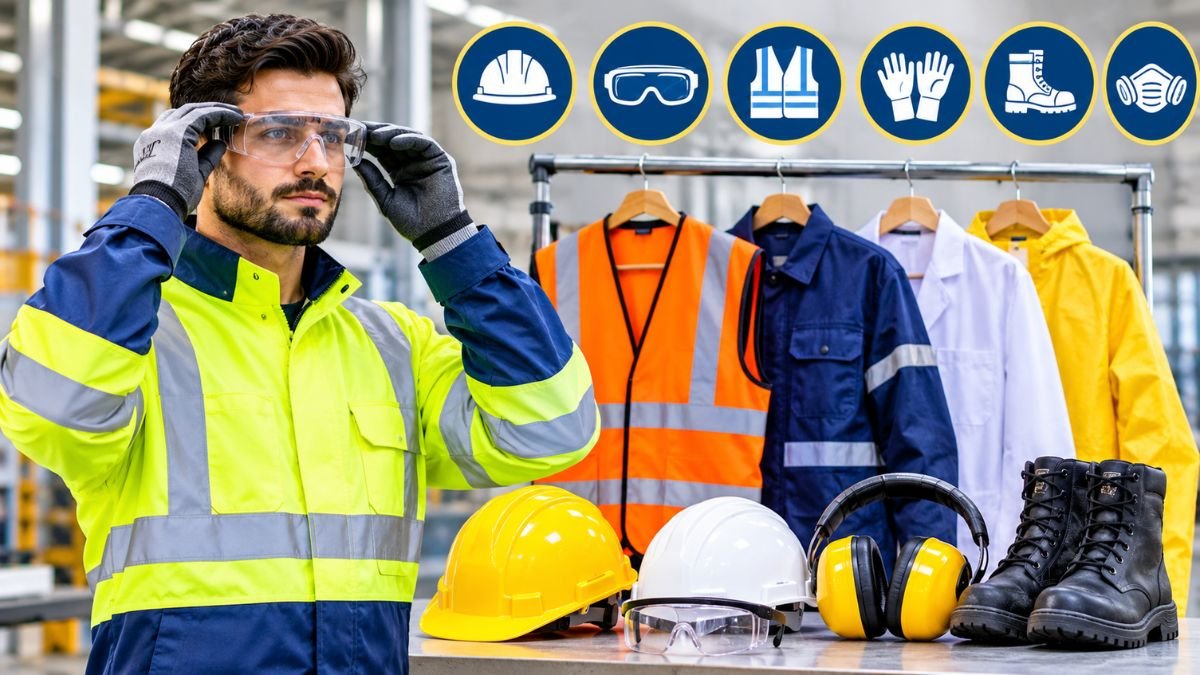
Workplace safety is important in every industry. Workers face different hazards during their daily activities. These hazards can cause serious injuries and health problems. Personal protective equipment helps reduce these workplace risks.
Protective clothing is an important part of workplace safety. It creates a barrier between workers and harmful conditions. Different garments protect against different workplace hazards. Some protect against chemicals, while others resist heat and flames.
Understanding the types of PPE clothing helps businesses make better safety decisions. It also helps workers choose suitable protective garments. The right clothing improves comfort and supports safer working conditions.
This guide explains common protective clothing types, materials, uses, and benefits. It also covers selection, maintenance, and replacement practices.
Outfitting a team with PPE clothing? Explore our protective workwear manufacturing services, see the FR collared shirt, and read types of chemical protective clothing.
What Is PPE Clothing?
PPE stands for personal protective equipment. It includes clothing and equipment designed to reduce workplace exposure. These products protect workers from specific hazards. They may cover the body, hands, feet, and head.
PPE clothing includes coveralls, safety jackets, protective trousers, and specialized suits. Each garment serves a different safety purpose. Some provide protection against physical hazards. Others help reduce exposure to chemicals, heat, or biological materials.
Employers should select protective clothing after assessing workplace risks. Workers also need training on correct use and maintenance. A garment cannot provide reliable protection when used incorrectly.
PPE should support other workplace safety measures. It should not replace suitable engineering controls or safe work practices.
Why Are Different Types of PPE Clothing Important?
Different workplaces create different safety challenges. A construction worker faces different hazards than a laboratory technician. Therefore, one protective garment cannot meet every safety requirement.
Choosing suitable clothing helps reduce direct exposure. It also supports better worker confidence and comfort.
Protects Workers From Workplace Hazards
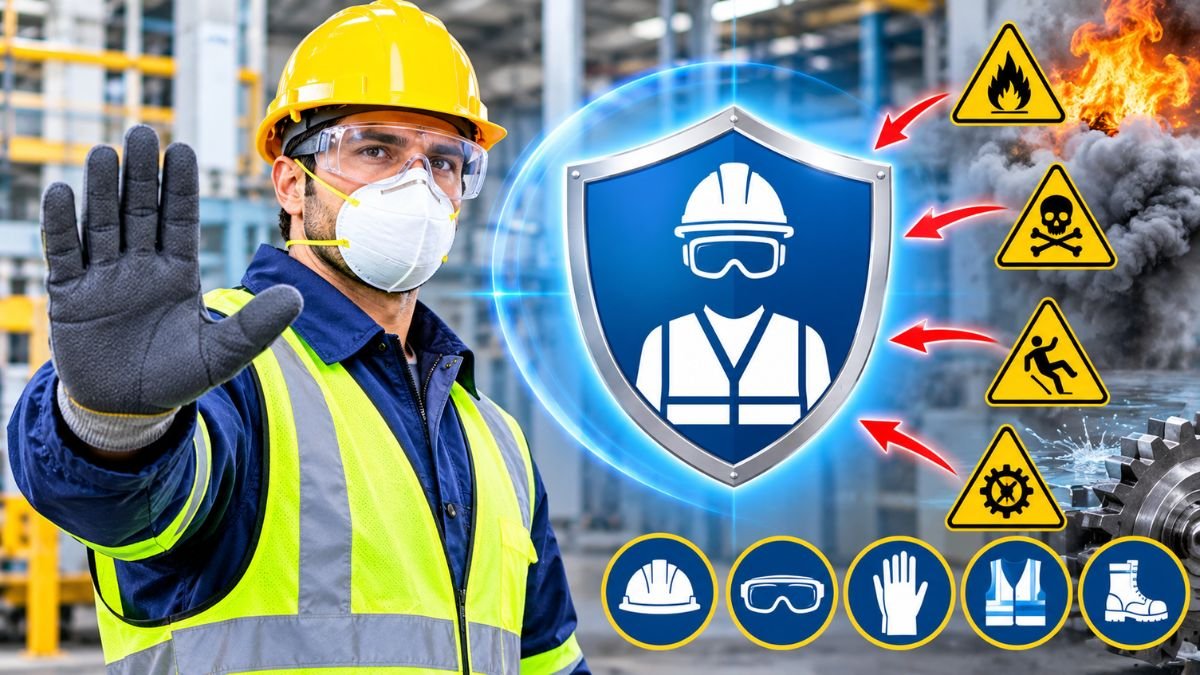
Protective garments create a barrier against harmful materials. They can reduce contact with chemicals, dust, sparks, and contaminated surfaces.
Specialized garments also help protect against heat and flames. However, every garment has specific protection limits. Workers must understand those limits before using it.
Reduces the Risk of Workplace Injuries
Suitable clothing can reduce certain workplace injury risks. For example, flame-resistant garments help reduce burn risks. Chemical-resistant suits help prevent harmful skin contact.
High-visibility garments make workers easier to see. This is especially important around moving vehicles and machinery.
Improves Workplace Safety Practices
A suitable PPE program encourages consistent safety practices. Workers learn which garments they need for specific tasks. Employers can also establish clear inspection procedures.
Regular training helps workers identify damaged protective clothing. It also improves understanding of garment limitations.
Supports Worker Comfort and Productivity
Protective clothing should provide suitable protection without restricting movement. Comfortable garments encourage workers to wear them correctly.
Breathable fabrics can improve comfort during long shifts. Proper sizing also helps prevent unnecessary movement restrictions.
12 Common Types of PPE Clothing
There are several types of protective garments for workplace use. Each category addresses particular hazards and working conditions.
The following sections explain common protective clothing options.
1. Flame-Resistant Clothing
Flame-resistant clothing protects workers from certain thermal hazards. It is commonly used in electrical, industrial, and manufacturing environments.
These garments are designed to resist ignition and limit flame spread. They may also help reduce burn injuries during brief thermal exposures.
Common flame-resistant garments include:
- Flame-resistant shirts
- Protective work trousers
- FR coveralls
- Flame-resistant jackets
- Specialized protective suits
Manufacturers use materials such as treated cotton and inherently flame-resistant fibers. Some garments use blends designed for specific protection requirements.
Workers should select garments according to the actual workplace hazard. Flame resistance does not mean complete protection against every fire hazard.
2. Arc Flash Protective Clothing
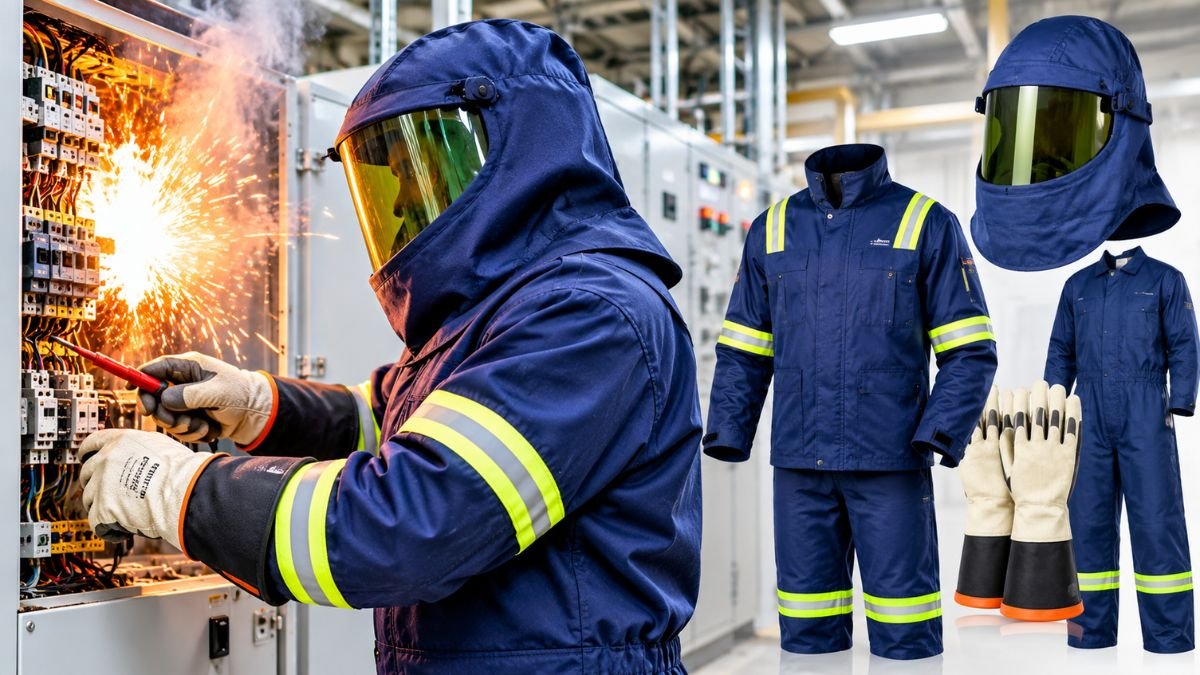
Arc flash clothing protects workers from specific thermal hazards associated with electrical arc events. It is commonly used by qualified electrical workers.
An arc flash can release intense heat and energy. It may also produce pressure waves and molten material.
Arc-rated clothing helps reduce thermal injury exposure. Common garments include:
- Arc-rated shirts
- Arc-rated trousers
- Protective coveralls
- Arc-rated jackets
- Arc-rated hoods and face protection
These garments are selected according to the electrical hazard assessment. Their arc rating must match the required protection level.
Workers should also use compatible protective equipment. This may include suitable gloves, face protection, and hearing protection.
3. High-Visibility Clothing
High-visibility clothing helps workers remain visible in different environments. It is especially useful around traffic and moving equipment.
These garments use bright background materials. Common colors include fluorescent yellow-green, orange-red, and red.
Reflective materials improve visibility when light reaches them. This can help drivers and equipment operators notice workers.
Common high-visibility garments include:
- Reflective safety vests
- High-visibility jackets
- Safety trousers
- Reflective coveralls
- High-visibility rainwear
High-visibility clothing is widely used in construction and roadwork. It is also common in transportation and warehouse operations.
The required garment class depends on the applicable safety standard and workplace conditions.
4. Chemical Protective Clothing
Chemical protective clothing helps reduce contact with hazardous substances. It is used in laboratories, chemical plants, and industrial facilities.
Different chemicals require different protective materials. No single garment protects against every chemical.
Common chemical protective garments include:
- Chemical-resistant coveralls
- Protective aprons
- Chemical-resistant suits
- Disposable protective gowns
- Liquid-resistant jackets and trousers
Manufacturers use materials such as PVC, polyethylene, and specialized barrier laminates. Some garments also use chemical-resistant rubber materials.
Workers must check chemical compatibility before selecting clothing. They should also consider concentration, temperature, and exposure duration.
5. Disposable Protective Clothing
Disposable protective clothing is designed for limited use. Workers usually discard these garments after a task or exposure.
It is common in healthcare, laboratories, cleaning, and maintenance operations.
Common disposable garments include:
- Disposable coveralls
- Protective gowns
- Disposable aprons
- Lightweight protective suits
- Disposable sleeves
These garments can help reduce contamination transfer. They are useful when reusable clothing requires complex cleaning.
However, disposable clothing does not provide universal protection. Workers must select products suitable for the identified hazard.
6. Waterproof Protective Clothing
Waterproof clothing helps keep workers dry in wet conditions. It is useful for outdoor jobs and water-related activities.
Rain and moisture can make working conditions uncomfortable. Wet clothing may also create additional workplace risks.
Common waterproof garments include:
- Waterproof jackets
- Rain trousers
- Waterproof coveralls
- Protective rain suits
- Waterproof aprons
Manufacturers use coated fabrics and waterproof membranes. Sealed seams can improve resistance to water penetration.
Waterproof clothing should also allow suitable movement. Breathability is important during physically demanding work.
7. Thermal Protective Clothing
Thermal protective clothing helps workers manage extreme temperatures. Different garments address heat or cold exposure.
Workers in foundries and industrial facilities may face intense heat. Cold-storage employees may require insulation against low temperatures.
Common thermal garments include:
- Heat-resistant jackets
- Insulated workwear
- Thermal trousers
- Cold-weather coveralls
- Specialized heat-protective suits
Materials vary according to the intended application. Some garments use insulating layers or specialized heat-resistant fibers.
Workers should consider the temperature and exposure duration. They must also understand the protection limits of each garment.
8. Biological Protective Clothing
Biological protective clothing helps reduce exposure to infectious or contaminated materials. It is used in healthcare and laboratory environments.
These garments create a barrier against certain biological hazards. Their performance depends on material design and garment construction.
Common examples include:
- Medical protective gowns
- Disposable coveralls
- Fluid-resistant gowns
- Protective laboratory garments
- Specialized barrier suits
Some garments protect against splashes and fluid contact. Others are designed for more demanding exposure conditions.
Workers must select garments according to the biological risk assessment. Proper removal and disposal procedures are also important.
9. Cut-Resistant Protective Clothing
Cut-resistant clothing helps reduce injuries from sharp materials. It is useful in manufacturing, glass handling, and metalworking.
These garments use materials designed to resist cutting forces. They may also provide additional abrasion protection.
Common examples include:
- Cut-resistant sleeves
- Protective work shirts
- Cut-resistant aprons
- Specialized protective gloves
- Protective trousers
Manufacturers may use high-performance fibers and reinforced fabrics. Some products combine several materials for better performance.
Cut resistance does not mean complete protection against sharp objects. Workers should select suitable protection for the specific cutting hazard.
10. Welding Protective Clothing
Welding clothing protects workers from sparks, spatter, and certain heat exposures. It is commonly used in fabrication and metalworking.
Welding operations can create intense heat and flying particles. Protective garments help reduce direct contact with these hazards.
Common welding garments include:
- Welding jackets
- Leather aprons
- Protective sleeves
- Welding trousers
- Specialized coveralls
Leather and flame-resistant fabrics are common material choices. Garment design should also reduce gaps where sparks can enter.
Welding clothing must be used with suitable helmets and other PPE. The complete equipment combination should match the welding process.
11. Anti-Static Protective Clothing
Anti-static clothing helps control electrostatic charge buildup. It is used in electronics manufacturing and selected industrial environments.
Static electricity can damage sensitive electronic components. In certain environments, it can also create ignition risks.
Common anti-static garments include:
- Anti-static shirts
- ESD jackets
- Protective trousers
- Anti-static coveralls
- Specialized cleanroom garments
These garments may contain conductive fibers. Their construction helps dissipate electrostatic charges.
Workers should use them with suitable footwear and grounding systems. Clothing alone may not provide complete static control.
12. Dust-Resistant Protective Clothing
Dust-resistant clothing helps reduce contact with airborne particles. It is used in construction, woodworking, and manufacturing.
Dust can irritate the skin and contaminate regular clothing. Some industrial dusts may also create serious health risks.
Common protective garments include:
- Dust-resistant coveralls
- Protective jackets
- Disposable suits
- Work trousers
- Protective hoods
Some garments use tightly woven fabrics. Others use specialized barrier materials for specific particle hazards.
Dust-resistant clothing should match the particle type and exposure level. Respiratory protection may also be necessary.
Thermal and visibility hazards need different garments. See what FR rated clothing is and what a hi vis jacket is for two of the most common categories.
Common Materials Used in PPE Clothing
Material selection affects protective performance and comfort. Different fabrics provide different levels of resistance.
Manufacturers consider the intended hazard before choosing materials. They also evaluate durability, flexibility, and cleaning requirements.
Cotton
Cotton is a common material in everyday workwear. It offers softness and breathability.
Some cotton garments receive special treatments for protective applications. However, ordinary cotton is not automatically flame-resistant.
Polyester
Polyester is known for durability and wrinkle resistance. It is used in many workwear products.
Some polyester fabrics also provide moisture-management properties. However, standard polyester can melt under high heat.
Nylon
Nylon is lightweight and abrasion-resistant. It is used in several protective clothing applications.
It can provide good durability during demanding work. Its suitability depends on the specific hazard.
Aramid Fibers
Aramid fibers are used in specialized protective garments. They can offer heat and flame resistance.
Some products use aramid fibers for electrical and industrial protection. Their exact performance depends on garment design and testing.
Polyethylene
Polyethylene is used in selected disposable and barrier garments. Certain products help resist liquid penetration.
Different polyethylene materials offer different barrier properties. Workers should check product specifications before selection.
PVC
PVC is used in certain chemical-resistant and waterproof garments. It can provide resistance against selected substances.
Its chemical compatibility must be verified. PVC does not protect against every chemical.
Specialized Barrier Materials
Some protective suits use multilayer barrier fabrics. These materials are designed for specific chemical or biological hazards.
Their performance depends on testing and construction. Workers should follow manufacturer instructions.
How to Choose the Right Types of PPE Clothing
Choosing protective clothing requires careful consideration. The garment must match the hazards and working conditions.
A suitable selection process helps avoid unnecessary exposure.
1. Identify Workplace Hazards
Start by identifying the hazards in each work area. Consider chemical, electrical, thermal, and mechanical risks.
Also review biological exposure and environmental conditions. A proper assessment helps determine the required protection.
2. Understand Required Protection Levels
Different garments provide different levels of protection. Check applicable standards and manufacturer specifications.
For example, arc-rated clothing is selected using electrical hazard information. Chemical clothing requires compatibility with the substances involved.
Do not choose garments based only on appearance or price.
3. Select Suitable Materials
Choose materials designed for the identified hazard. Consider durability and environmental conditions.
Some tasks require breathable fabrics. Others require specialized barrier materials.
Always review the product documentation before making a decision.
4. Check Proper Fit and Comfort
Protective clothing should fit the worker correctly. Oversized garments can create snagging risks.
Tight clothing may restrict movement. Both conditions can affect workplace safety.
Check sizing and compatibility with other protective equipment.
5. Consider Workplace Conditions
Consider temperature, moisture, and exposure duration. These conditions can influence garment performance.
Outdoor workers may need waterproof clothing. Industrial workers may require specialized thermal protection.
6. Review Cleaning and Maintenance Requirements
Some garments need special cleaning procedures. Others are designed for limited use.
Check the manufacturer’s care instructions. Improper cleaning can damage certain protective properties.
7. Check Certification and Product Documentation
Review relevant standards and product certifications. Confirm that the garment meets the required protection level.
Do not assume every product labeled as safety clothing is certified. Request technical information from the manufacturer.
Benefits of Using the Right PPE Clothing
Suitable protective garments offer several workplace benefits. They support safer operations and help reduce exposure.
Reduces Exposure to Workplace Hazards
Protective garments create a barrier against selected hazards. They help reduce direct skin contact and contamination.
This is especially important in chemical and industrial environments.
Improves Worker Confidence
Workers feel more confident when they have suitable protective equipment. Clear safety procedures also support better decisions.
However, confidence should never replace proper training.
Supports Workplace Hygiene
Disposable and reusable protective garments can help control contamination. Suitable clothing is important in healthcare and laboratories.
Cleaning and disposal procedures must match the exposure risk.
Improves Visibility
High-visibility clothing helps workers remain noticeable. This is useful around traffic and moving machinery.
Suitable visibility garments support safer worksite operations.
Supports Regulatory Compliance
Appropriate PPE helps employers meet relevant safety requirements. Requirements vary by country, industry, and workplace hazard.
Employers should review applicable regulations before selecting garments.
How to Maintain and Care for PPE Clothing
Protective clothing needs proper care to remain reliable. Poor maintenance can affect its performance and service life.
Follow Manufacturer Washing Instructions
Check the garment’s care label before washing. Use the recommended washing method and temperature.
Some garments require specialized cleaning. Others may need professional maintenance.
Inspect Clothing Before and After Use
Check garments for holes, tears, and damaged seams. Look for contamination and worn protective components.
Remove defective clothing from service. Do not continue using damaged protective garments.
Store Protective Clothing Correctly
Keep clean garments in a suitable storage area. Protect them from moisture, sunlight, and contamination.
Store chemical protective clothing according to manufacturer instructions. Keep it separate from contaminated garments.
Avoid Unauthorized Repairs
Do not modify protective garments without approval. Unauthorized repairs may affect their protective performance.
Follow manufacturer guidance for repairs and replacement.
Replace Damaged or Worn Garments
Protective clothing does not last forever. Replace garments when they become damaged or unsuitable.
Follow inspection schedules and manufacturer service-life guidance.
Common Mistakes to Avoid When Using PPE Clothing
Incorrect use can reduce the effectiveness of protective clothing. Workers and employers should avoid common mistakes.
Choosing Clothing Without a Hazard Assessment
Different jobs involve different hazards. Selecting clothing without an assessment can leave workers exposed.
Identify risks before purchasing protective garments.
Ignoring Garment Protection Limits
No garment protects against every workplace hazard. Workers must understand product limitations.
Use only clothing designed for the intended application.
Wearing Damaged Protective Clothing
Torn or damaged clothing may not provide reliable protection. Inspect garments before each use.
Remove defective items from service.
Mixing Incompatible Garments
Some protective garments may not work well together. Layering can also affect fit and movement.
Check compatibility before combining different PPE products.
Neglecting Cleaning and Storage
Dirty or poorly stored garments can become unsuitable. Follow cleaning and storage instructions carefully.
Using Incorrect Sizes
Poorly fitting clothing can restrict movement. It may also leave areas of the body exposed.
Choose suitable sizes for every worker.
PPE Clothing Requirements and Workplace Safety Standards
PPE requirements depend on the workplace and applicable regulations. Employers should identify relevant standards before selecting protective garments.
In the United States, OSHA’s general industry standard 29 CFR 1910.132 covers PPE requirements. It addresses hazard assessment, equipment selection, fit, training, and maintenance.
Other OSHA standards address specific PPE categories. These include eye, face, head, foot, and hand protection.
Some protective garments must meet applicable industry standards. For example, high-visibility clothing and arc-rated clothing have specific performance requirements.
Employers should verify current requirements for their industry. They should also review local regulations and manufacturer documentation.
Frequently Asked Questions About Types of PPE Clothing
1. What Are the Main Types of PPE Clothing?
Common types include flame-resistant clothing, chemical suits, and safety coveralls. Other examples include high-visibility garments and arc-rated clothing.
Workers may also need waterproof, thermal, and disposable protective garments. The correct choice depends on workplace hazards.
2. What Is the Most Common PPE Clothing?
Coveralls, safety jackets, and protective trousers are common examples. High-visibility vests are also widely used.
The most common option varies by industry and job.
3. What Materials Are Used in Protective Workwear?
Common materials include cotton, polyester, nylon, and aramid fibers. Specialized garments may use PVC or barrier laminates.
Material selection depends on the required protection level.
4. What Is the Difference Between PPE and Protective Clothing?
PPE is a broad category of protective equipment. It includes clothing, gloves, helmets, eyewear, and respirators.
Protective clothing is one part of a complete PPE system. It mainly protects the body and skin.
5. Why Is Flame-Resistant Clothing Important?
Flame-resistant clothing helps reduce certain thermal injury risks. It is designed to resist ignition and limit flame spread.
It is commonly used in electrical and industrial work. Workers must select garments suitable for the specific hazard.
6. When Should Workers Wear Chemical Protective Clothing?
Workers should wear it when their risk assessment identifies chemical exposure. The garment must be compatible with the chemical.
Check concentration, temperature, and exposure duration before selection.
7. Can PPE Clothing Be Reused?
Some protective garments are designed for repeated use. Others are intended for single use.
Follow manufacturer instructions for cleaning and reuse. Never reuse disposable garments when their instructions prohibit it.
8. How Often Should PPE Clothing Be Replaced?
Replacement depends on garment condition and service-life guidance. Inspect clothing regularly for damage and contamination.
Replace garments when they no longer provide reliable protection.
9. Is High-Visibility Clothing Considered PPE?
Yes, high-visibility clothing is a form of protective workwear. It helps workers remain visible in hazardous environments.
The required garment depends on workplace conditions and applicable standards.
10. How Can Employers Choose the Right Protective Clothing?
Employers should begin with a workplace hazard assessment. They should then select suitable garments and verify their protection levels.
Fit, comfort, compatibility, and maintenance also matter.
Conclusion
Understanding the types of PPE clothing helps improve workplace safety. Different garments protect workers from different hazards. These include heat, chemicals, electrical risks, and physical exposure.
Flame-resistant clothing, arc-rated garments, and chemical suits serve specialized purposes. High-visibility and waterproof clothing support other workplace needs.
Choosing suitable protective workwear requires proper hazard assessment. Employers should also consider material performance, fit, and comfort.
Regular inspection and maintenance help keep protective garments reliable. Workers must follow training and manufacturer instructions.
The right protective clothing supports safer working conditions. It also helps businesses build stronger workplace safety practices.