

Arc flash clothing plays an important role in electrical workplace safety. It protects workers from thermal hazards during electrical incidents. However, protective clothing needs proper cleaning and regular maintenance.
Dirt, grease, oil, and chemical residues can affect garment safety. Incorrect washing methods can also damage protective clothing. Some laundry products may leave unwanted residues on fabric.
Therefore, workers must understand the correct cleaning process. Proper care helps maintain the garment’s protective performance. It also supports comfort, durability, and workplace hygiene.
Washing arc flash clothing requires more attention than washing ordinary workwear. Workers should follow manufacturer instructions and garment care labels. They should also understand the difference between FR and arc-rated clothing.
This guide explains how to wash arc flash clothing correctly. It covers washing methods, detergents, drying, inspections, and storage. It also explains common cleaning mistakes and replacement considerations.
Want arc-rated garments to stay in service longer? Explore our protective workwear manufacturing services, see the FR collared shirt, and read about arc flash clothing materials.
Why Is Proper Washing Arc Flash Clothing Important?
Cleaning protective clothing is an important part of electrical safety. Arc-rated garments can collect dirt and workplace contaminants. These substances may create additional hazards during electrical work.
Proper washing helps remove unwanted materials from the fabric. It also helps maintain the garment’s condition and usability.
Here are several reasons why correct cleaning matters.
1. Removes Flammable Contaminants
Electrical workers may encounter oil, grease, fuel, and other substances. These materials can remain on protective clothing after work.
Some contaminants are flammable. Their presence can increase the risk of injury during thermal exposure.
Proper cleaning helps remove these unwanted substances. However, garments with persistent contamination may require replacement.
2. Maintains Flame-Resistant Performance
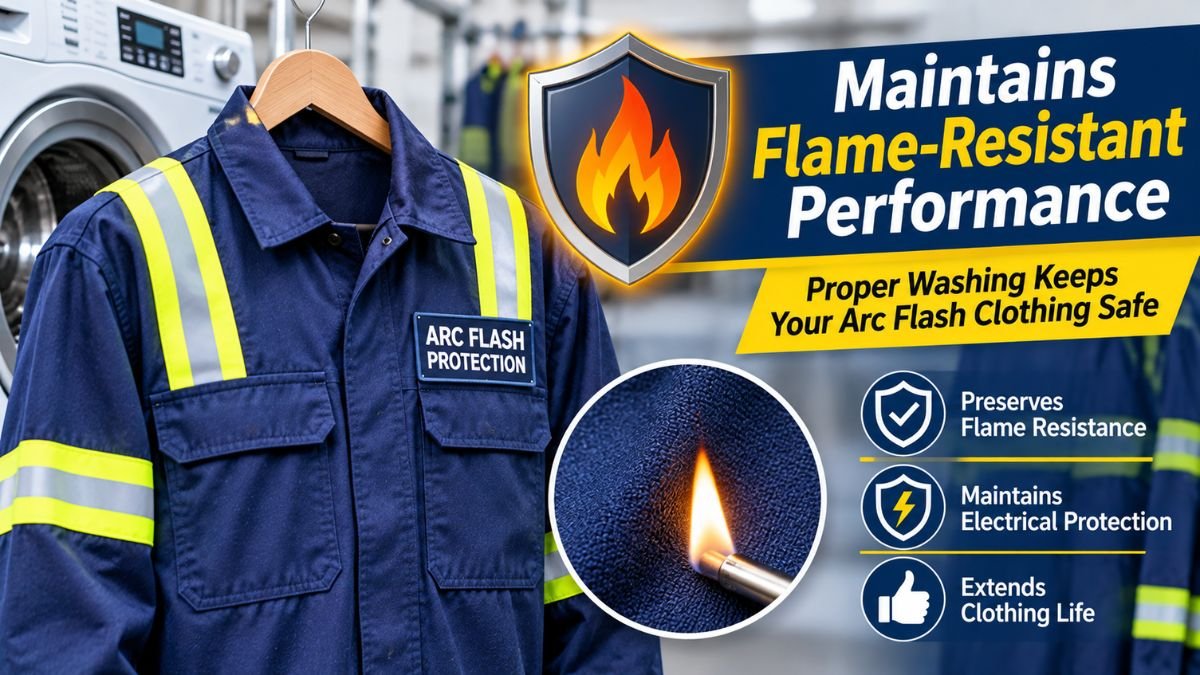
Flame-resistant clothing is designed to resist ignition. It also helps limit continued burning after flame exposure.
Incorrect cleaning products can leave residues or damage fabric components. Some treatments may also be affected by unsuitable laundering.
Following the manufacturer’s washing instructions helps protect garment performance.
3. Improves Clothing Durability
Protective clothing experiences regular movement and workplace friction. Dirt and contamination can contribute to fabric wear.
Suitable washing methods help remove accumulated soil. Proper drying and storage also reduce unnecessary damage.
4. Supports Worker Hygiene
Electrical workers often work in dusty and demanding environments. Their clothing may collect sweat, dirt, and other contaminants.
Regular cleaning helps maintain better workplace hygiene. It also makes protective garments more comfortable to wear.
5. Helps Identify Damaged Clothing
Cleaning gives workers an opportunity to inspect garments. Dirt may hide small tears, worn areas, or damaged seams.
After washing, these problems may become easier to identify. Workers should inspect clothing before returning it to service.
How to Wash Arc Flash Clothing Correctly
Washing arc flash clothing requires careful preparation. Workers should never treat protective garments like ordinary clothing.
The exact washing process depends on the manufacturer. Fabric type, garment construction, and care instructions also matter.
Follow these general steps when the garment label permits home laundering.
Step 1: Read the Garment Care Label
Always check the manufacturer’s care label before washing. The label provides important cleaning and maintenance information.
Look for the recommended washing temperature and detergent type. Check whether machine washing or hand washing is permitted.
Also review the drying instructions and other restrictions.
Some garments have specific requirements for washing and drying. Others may require professional cleaning.
Never assume every arc-rated garment uses identical washing instructions.
Step 2: Inspect the Clothing Before Washing
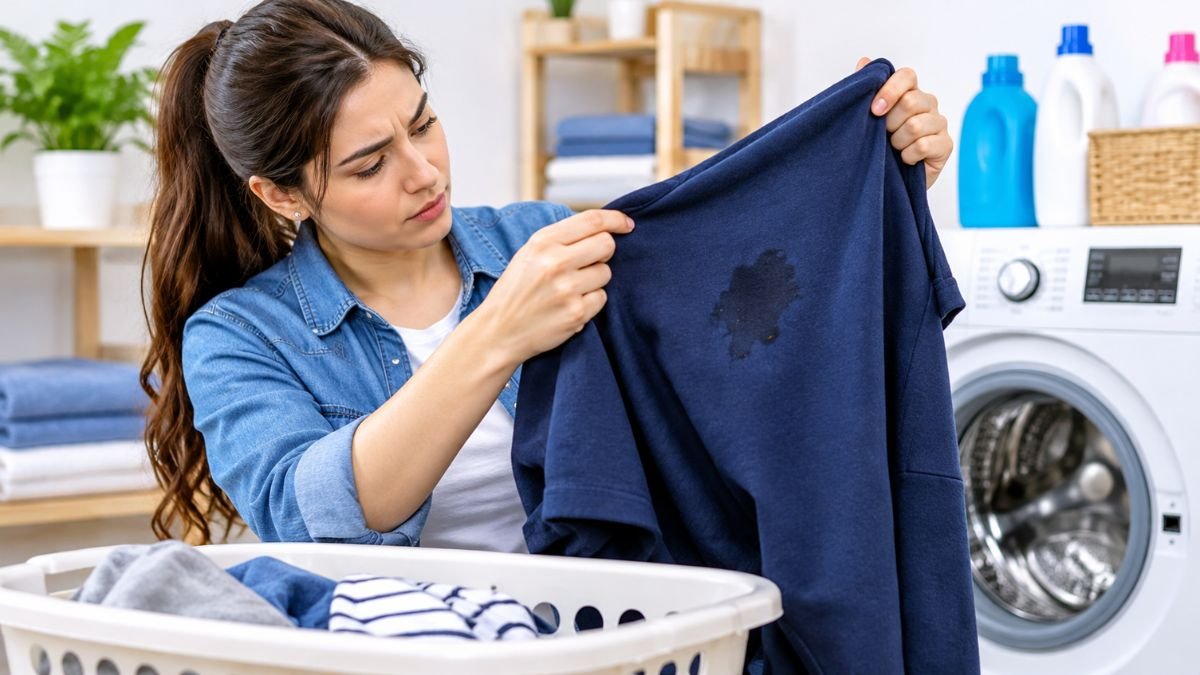
Examine the garment before placing it inside the washing machine. Look for visible damage and heavy contamination.
Check the following areas:
- Fabric holes and tears.
- Damaged seams and stitching.
- Broken buttons and zippers.
- Excessive fabric thinning.
- Oil and grease stains.
- Chemical contamination.
- Damaged reflective materials.
Remove heavily contaminated clothing from normal laundry handling. Follow workplace procedures for hazardous substances.
Do not wash clothing at home when it contains hazardous chemicals. Employers should arrange suitable handling and cleaning.
Step 3: Separate Arc Flash Clothing From Ordinary Laundry
Separate protective clothing from everyday garments. This helps prevent unwanted contamination and incompatible laundry residues.
Avoid mixing arc-rated garments with heavily soiled workwear. Separate garments according to fabric color and washing instructions.
Keep contaminated industrial clothing away from family laundry.
Workers should also follow their employer’s laundry procedures.
Step 4: Empty All Pockets
Check every pocket before washing. Remove tools, papers, and other personal items.
Small objects can damage the washing machine. They can also damage garment fabric during the washing cycle.
Check inside pockets carefully before continuing.
Step 5: Close Zippers and Fastenings
Close zippers, buttons, and compatible fastening systems. Secure hook-and-loop closures according to manufacturer instructions.
This helps reduce unnecessary friction during washing.
Remove detachable components when the care label requires it. Clean removable parts according to their separate instructions.
Step 6: Select an Approved Detergent
Choose a detergent that the garment manufacturer permits. A suitable standard detergent may work for many washable FR garments.
Avoid laundry additives that the manufacturer prohibits. These may include bleach, fabric softeners, and starch.
Do not assume every detergent is compatible with protective fabric. Check the product ingredients and garment instructions.
Step 7: Choose the Correct Washing Temperature
Use the temperature stated on the garment care label. Some garments permit warm water, while others require different settings.
Avoid selecting a temperature based on ordinary clothing habits.
Excessive heat may damage certain fabric components. An unsuitable temperature can also affect garment construction.
Always follow the specific manufacturer’s recommendations.
Step 8: Select a Suitable Washing Cycle
Use the washing cycle recommended by the manufacturer. Many washable protective garments permit a normal or gentle cycle.
The correct choice depends on fabric construction and soil levels.
Avoid unnecessary agitation when the care label recommends gentle washing. Do not overload the washing machine.
Step 9: Rinse the Garment Properly
Proper rinsing helps remove detergent and loosened contaminants. Residue should not remain on the protective fabric.
Follow the washing machine and garment instructions. An additional rinse may be appropriate when permitted.
Avoid adding unapproved laundry products during rinsing.
Step 10: Remove Clothing After Washing
Remove garments after the washing cycle finishes. Avoid leaving wet clothing inside the machine for extended periods.
Check whether stains and contamination have been removed.
Do not return heavily contaminated garments to service. Follow the manufacturer’s guidance when cleaning does not produce an acceptable result.
Best Detergent for Washing Arc Flash Clothing
Choosing a suitable detergent is important for protective garment care. The wrong laundry product may leave unwanted residues.
A compatible detergent should clean the fabric without damaging its protective properties.
1. Use a Manufacturer-Approved Detergent
Start by checking the garment manufacturer’s recommendations. Some manufacturers identify suitable detergent types or products.
Use only cleaning products compatible with the garment.
2. Avoid Fabric Softener
Fabric softeners can leave residues on protective clothing. These residues may affect the garment’s intended performance.
Avoid liquid fabric softeners unless the manufacturer specifically approves them.
Also check combination detergents for added softening ingredients.
3. Avoid Chlorine Bleach
Chlorine bleach may damage certain protective fabrics and treatments. It can also affect fabric strength and garment components.
Do not use it unless the manufacturer explicitly permits it.
4. Avoid Unapproved Oxygen Bleach
Some cleaning products contain oxygen-based bleaching ingredients. These may not be suitable for every protective garment.
Check the care instructions before using them.
5. Avoid Starch and Laundry Additives
Starch can leave a coating on fabric. Some additives may also introduce unwanted combustible residues.
Avoid spray starch and unapproved finishing products.
6. Use the Correct Detergent Amount
Follow the detergent manufacturer’s dosage instructions. Excessive detergent may leave residues after washing.
Using too little detergent may also reduce cleaning performance.
Choose the amount according to load size and soil level.
Cleaning routines depend on the fabric. See our guide to washing flame retardant fabric and the broader care guide for flame resistant clothing.
Best Practices for Maintaining Arc Flash Clothing
A consistent maintenance routine helps organizations manage protective clothing effectively.
Employers should establish clear procedures for cleaning, inspection, storage, and replacement.
Here are some useful practices.
1. Train Workers in Proper Cleaning
Workers should understand the garment’s care requirements.
Provide clear instructions about washing products, temperatures, and drying methods.
Explain how to identify contamination and garment damage.
2. Follow Manufacturer Instructions
Manufacturer instructions should guide every cleaning process.
Do not apply general laundry advice when it conflicts with the garment label.
Contact the manufacturer when cleaning requirements are unclear.
3. Establish a Regular Inspection Program
Create a process for checking protective garments.
Workers should inspect clothing before every use.
Supervisors should also monitor garment condition and maintenance records.
4. Keep Cleaning and Storage Areas Separate
Separate clean garments from contaminated clothing.
This helps reduce accidental contamination during handling and storage.
5. Maintain Replacement Records
Record garments that require repair or replacement.
This helps employers track protective equipment condition.
It also supports better purchasing and inventory planning.
Frequently Asked Questions About Washing Arc Flash Clothing
1. Can You Machine Wash Arc Flash Clothing?
Yes, many arc-rated garments can be machine washed.
However, the garment must permit machine washing. Follow the manufacturer’s recommended detergent, temperature, and washing cycle.
2. What Detergent Should I Use for Arc Flash Clothing?
Use a detergent approved by the garment manufacturer.
Avoid prohibited additives such as bleach, fabric softener, and starch.
Check detergent ingredients before washing protective garments.
3. Can You Use Fabric Softener on Arc-Rated Clothing?
Fabric softeners are generally not recommended for arc-rated clothing.
They may leave residues on the fabric.
These residues can create additional concerns during thermal exposure.
Always follow the manufacturer’s care instructions.
4. Can You Use Bleach on Flame-Resistant Clothing?
Avoid chlorine bleach unless the manufacturer specifically approves it.
Bleach may damage certain fabrics and protective treatments.
Check the care label before using any bleaching product.
5. What Temperature Should You Use to Wash Arc Flash Clothing?
There is no universal washing temperature for every arc-rated garment.
The correct temperature depends on the fabric and manufacturer instructions.
Always check the garment’s care label.
6. Can Arc Flash Clothing Be Washed With Regular Clothes?
It is better to separate protective garments from ordinary laundry.
This helps prevent unwanted residues and contamination.
Follow the employer’s laundry procedures.
7. Can You Dry Arc Flash Clothing in a Dryer?
Many arc-rated garments permit machine drying.
However, the manufacturer must approve the drying method and temperature.
Avoid excessive heat and unapproved dryer sheets.
8. Does Washing Remove Flame Resistance?
Proper washing does not normally remove the inherent flame resistance of suitable fibers.
However, treated fabrics and other garment components may have different care requirements.
Incorrect cleaning can also damage the garment or leave harmful residues.
Follow the manufacturer’s instructions.
9. How Often Should Arc Flash Clothing Be Washed?
Washing frequency depends on use, contamination, and workplace conditions.
Clean garments when necessary to remove accumulated dirt and contaminants.
Follow workplace procedures and manufacturer recommendations.
10. Can You Wash Oil-Stained Arc Flash Clothing?
Oil contamination requires careful handling.
Use only an approved cleaning process.
If the oil remains after cleaning, remove the garment from service until its safety has been evaluated.
11. Can You Iron Arc Flash Clothing?
Some arc-rated garments permit ironing, while others do not.
Check the garment label before applying heat.
Never use an unapproved ironing temperature or method.
12. What Is the Difference Between Home and Industrial Laundering?
Home laundering takes place using approved household washing equipment.
Industrial laundering uses specialized equipment and controlled cleaning procedures.
Both methods must follow compatible garment care requirements.
13. Should Damaged Arc Flash Clothing Be Repaired?
Some damaged garments can receive approved repairs.
Repairs must use compatible arc-rated materials and suitable construction methods.
Follow the manufacturer’s repair instructions.
14. Can You Wear Arc Flash Clothing That Still Smells After Washing?
A persistent odor may indicate remaining contamination or an ineffective cleaning process.
Investigate the cause before returning the garment to service.
Follow manufacturer guidance and replace clothing when its safety cannot be confirmed.
Conclusion
Washing arc flash clothing correctly is an important part of electrical workplace safety.
Protective garments can collect dirt, oil, grease, and other contaminants. Incorrect laundry products and unsuitable drying methods can also affect garment condition.
Workers should always follow manufacturer instructions. They should use compatible detergents and approved washing temperatures.
Regular inspections are equally important. Damaged or contaminated garments should not return to service until properly evaluated.
Employers should establish clear cleaning and maintenance procedures. They should also train workers and monitor protective clothing condition.
With proper washing, inspection, and storage, organizations can maintain their arc-rated clothing more effectively.
Remember that clean clothing is only one part of electrical safety. Workers also need suitable arc ratings, complete PPE, and safe work practices.