
Healthcare Workwear Manufacturer
Healthcare professionals need uniforms that support comfort, movement, and the demands of long working shifts. A suitable uniform can also help healthcare teams maintain a consistent, professional appearance.
Negora Fist is a workwear manufacturing company with 10 years of workwear manufacturing experience. Our approach focuses on practical garment requirements, fit, fabric selection, construction, and consistent specifications.


Healthcare Workwear Manufacturing for Medical Teams
Healthcare workwear covers a range of garments worn in hospitals, clinics, care facilities, and other medical settings. Each role may require different uniform styles, fits, and functional details. Nurses may prioritize comfortable movement during busy shifts, clinical support staff may need practical pockets and easy-care fabrics, and healthcare organizations may need consistent colors, sizing, and garment specifications across their teams.
When planning a healthcare uniform order, consider:
- The job roles and working environments involved.
- Fabric composition, weight, breathability, and care requirements.
- Garment fit and freedom of movement.
- Pocket placement, closures, and other functional details.
- Size ranges and consistent measurements.
- Color requirements and branding specifications.
- Expected laundering frequency and garment service life.
With 10 years of workwear manufacturing experience, Negora Fist recognizes the importance of matching garment specifications to their intended use. The right requirements should be established before an order moves forward.
Medical Uniforms, Nurse Uniforms and Scrubs for Healthcare Teams
Medical Uniforms for Healthcare Professionals
Medical uniforms help healthcare organizations create a coordinated appearance across departments. Buyers should evaluate the garment's design, fabric, fit, and maintenance requirements, which influence comfort, appearance, and long-term value.
Nurse Uniforms Designed Around Daily Work
Nurses often spend long periods standing, walking, bending, and assisting patients. Consider fabric comfort, practical storage, fit, and care instructions for garments worn repeatedly and laundered frequently.
Health Care Uniform Options for Different Departments
A health care uniform should reflect the duties and workplace requirements of the person wearing it. Hospitals and care providers may have different uniform policies for clinical, administrative, and support teams.
Men's Medical Scrubs for Healthcare Teams
Men's medical scrubs are commonly selected for clinical and patient-care environments. Consider the intended fit, fabric, trouser design, pocket requirements, and workplace dress code across the full size range.
CNA Scrub Uniforms for Care Assistants
Certified nursing assistants and other care assistants may need uniforms that support frequent movement and routine patient-care tasks, selected according to the employer's dress code and the activities performed.
Hospital Scrubs for Women
Hospital scrubs for women should be selected with attention to fit, movement, and the needs of the intended workplace. Healthcare teams may require different cuts, lengths, and sizing options.
Medical Uniforms and Nurse Uniforms: What to Specify
Medical uniforms help healthcare organizations create a coordinated appearance across different departments. However, uniform requirements vary by role, workplace, and organizational policy.
Medical Uniform Styles and Specifications
A medical uniform specification may include:
- Top and trouser styles.
- Short-sleeve or long-sleeve options, where required.
- Fabric composition and color.
- Pocket configuration and placement.
- Fit preferences and size grading.
- Neckline, closures, and finishing details.
- Labels, logos, and other approved branding.
Before choosing a style, confirm that the garment is appropriate for the intended department and its uniform policy. Infection-control requirements should be assessed separately from ordinary garment design.
What Should Buyers Look for in Nurse Uniforms?
- Comfortable fabric: Choose material suited to the workplace temperature, shift length, and laundering routine.
- Functional design: Pocket placement and garment construction should support the tasks performed by the wearer.
- Suitable fit: Uniforms should allow movement without being excessively loose or restrictive.
- Consistent sizing: Clear measurements and size grading help organizations plan uniform orders for different team members.
- Easy maintenance: Review washing instructions, color retention information, and any relevant garment-care requirements before ordering.
A clear specification helps buyers compare uniform options and reduces confusion during sourcing.
Nylon Scrubs Uniforms: Fabric and Care Considerations
Nylon scrubs uniforms may interest buyers comparing synthetic fabrics for medical clothing. However, nylon is only one possible material choice. The suitability of any fabric depends on its construction, composition, finish, garment design, and intended use. Before specifying nylon scrubs uniforms, review the following factors:
- Fabric composition: Confirm whether the garment uses nylon alone or a blend with other fibers.
- Breathability and comfort: Performance depends on the fabric structure and blend, not just the fiber name.
- Stretch and movement: If stretch is important, confirm the fabric’s actual stretch properties and recovery.
- Durability: Ask for relevant material specifications and evaluate the garment for its intended conditions.
- Care requirements: Check the recommended washing temperature, drying method, and any restrictions that may affect the healthcare facility’s laundry process.
- Workplace suitability: Ensure the chosen material meets the organization’s requirements for comfort, appearance, laundering, and intended use.
Do not assume that nylon scrubs are automatically antimicrobial, fluid-resistant, or suitable for a particular infection-control process. Such claims require product-specific evidence.

How to Evaluate Medical Uniform Companies
Choosing among medical uniform companies involves more than comparing the initial price. Buyers should assess whether a supplier understands the garment requirements and can communicate specifications clearly.
These questions help procurement teams compare suppliers on practical factors, not price alone.
Use these questions when evaluating a potential manufacturing partner:
- Product requirements: Can the company confirm which garment styles it can manufacture?
- Fabric details: Can it provide clear information about fabric composition and available specifications?
- Sizing: Can measurements and size grading be documented before production?
- Customization: Which branding and design options are actually available?
- Samples: Can the proposed process for sample review be explained and confirmed?
- Quality expectations: How will the approved specifications and acceptable tolerances be documented?
- Order planning: What minimum quantities and production timelines apply to the specific project?
- Compliance: Can the supplier provide relevant evidence for any special product claims or required standards?
- Communication: Are changes, approvals, and final requirements recorded clearly?
Healthcare Uniform Manufacturing: From Brief to Order
A well-defined manufacturing project begins with clear requirements. The exact process depends on the garment and the manufacturer’s confirmed capabilities.
- Share Your RequirementsIdentify the garment types, quantities, fabric preferences, sizes, colors, and intended use. Include reference images or technical specifications where available.
- Confirm Manufacturing FeasibilityDiscuss whether the requested designs, materials, and finishing details can be accommodated. Confirm minimum quantities, sampling options, costs, and estimated timelines.
- Review the SpecificationsCheck measurements, size grading, fabric details, color references, construction requirements, labels, and packaging instructions. Resolve any unclear points before approval.
- Assess the Sample, Where AvailableIf sampling is part of the agreed project, evaluate fit, construction, fabric, color, and finishing against the written requirements. Record any requested changes.
- Confirm the Bulk OrderBefore authorizing production, make sure the final specifications, quantities, price, delivery arrangements, and approval conditions are documented.
- Plan for Repeat OrdersKeep the approved specifications and relevant references for future sourcing. This can help communicate requirements more consistently when repeat orders are needed.
This is a general sourcing framework. Confirm Negora Fist’s actual process and available steps before presenting them as guaranteed company procedures.
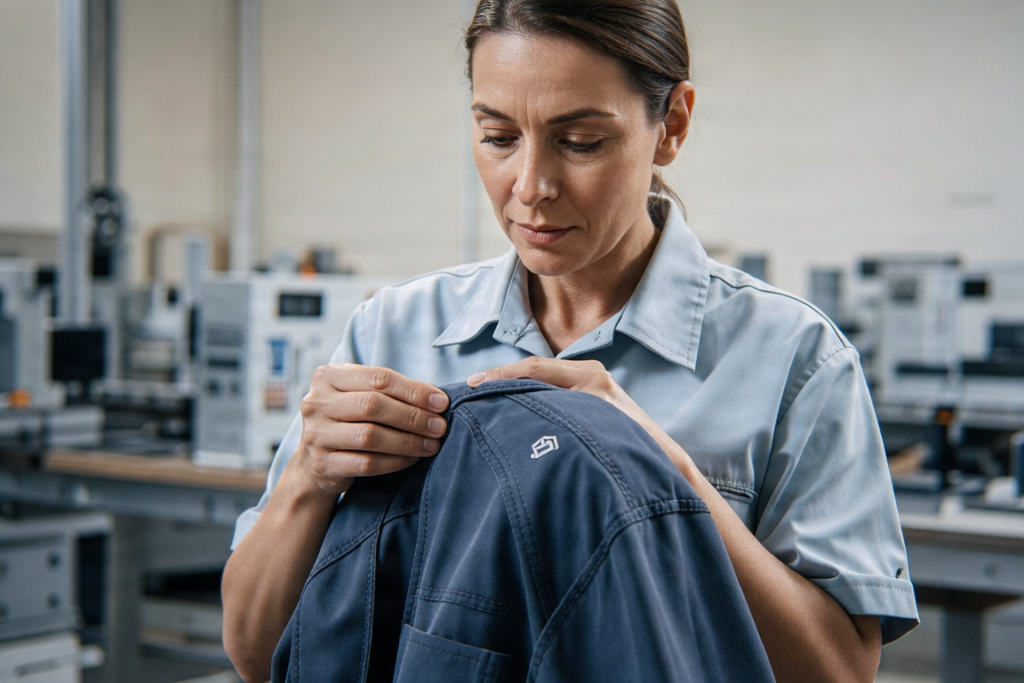
Custom Healthcare Workwear: What to Specify
Custom healthcare workwear requires a clear brief. This is especially important when a buyer needs several garment styles, multiple sizes, or consistent uniforms for different departments. Include the following information in your inquiry:
- Garment type: Specify the required scrub tops, trousers, or other uniform styles.
- Reference images: Share examples that communicate the desired design.
- Fabric requirements: State the preferred composition, weight, and relevant performance needs.
- Measurements: Provide a size chart or measurement specifications if available.
- Colors: Supply color references and any department-specific requirements.
- Branding: Describe required logos, labels, or other brand elements.
- Quantity: Estimate the number of garments by style and size.
- Intended use: Explain the work environment and relevant care requirements.
- Compliance needs: Identify any specific standards or product claims that must be verified.
A complete brief makes it easier to assess feasibility and prepare a relevant quotation. Availability, customization, minimum quantities, and timelines must be confirmed for each project.
Health Care Uniform Options for Different Departments
A health care uniform should reflect the duties and workplace requirements of the person wearing it. Hospitals and other care providers may have different uniform policies for clinical, administrative, and support teams. Depending on the organization, uniform planning may cover nursing and patient-care staff, clinical support personnel, care assistants, laboratory or diagnostic staff, reception and administrative teams, and other healthcare support roles.
These examples describe common healthcare uniform needs, not a confirmed list of Negora Fist's available products. Confirm the required garment styles and current manufacturing capabilities before placing an order.
Choosing Uniforms for Different Healthcare Roles
Start by identifying who will wear each garment and what their work involves. Then document the required fabric, fit, color, design, and care instructions. Where different departments use different uniform colors, maintain a written color reference. This can help buyers communicate requirements clearly and plan future repeat orders.
Men's Medical Scrubs for Healthcare Teams
Men's medical scrubs are commonly selected for clinical and patient-care environments. Buyers should consider the intended fit, fabric, trouser design, pocket requirements, and workplace dress code. A useful men's medical scrubs specification should define the required top and trouser styles, size range and measurement chart, preferred fit and garment length, fabric composition and weight, pocket number, placement, and dimensions, color and branding requirements, and washing and care instructions.
Fit should be evaluated across the intended size range rather than only on one garment size. Clear measurements can help buyers compare samples and communicate changes before confirming an order.
CNA Scrub Uniforms for Care Assistants
Certified nursing assistants and other care assistants may need uniforms that support frequent movement and routine patient-care tasks. CNA scrub uniforms should be selected according to the employer's dress code and the activities performed. When evaluating CNA scrub uniforms, consider comfortable movement during standing, walking, and bending, practical pockets for permitted everyday items, fabric suitability for the work environment, fit and size availability, care instructions and laundering needs, and department-specific colors or identification requirements.
Uniforms alone do not establish hygiene or infection-control compliance. Employers should follow their own policies and applicable healthcare guidance when selecting and caring for work clothing.
Hospital Scrubs for Women: Fit, Comfort, and Function
Hospital scrubs for women should be selected with attention to fit, movement, and the needs of the intended workplace. Healthcare teams may require different cuts, lengths, and sizing options. When planning women's hospital scrubs, buyers should assess size range and garment measurements, fit preferences and ease of movement, top length, neckline, and sleeve style, trouser waist, rise, and length, pocket placement and functional details, fabric composition and care requirements, and color consistency and branding requirements.
Avoid assuming that one fit works for every wearer. A clear size chart and suitable sample review can help buyers evaluate fit before committing to a larger order.
Planning Inclusive Healthcare Uniform Sizing
Healthcare teams can include people with different body shapes and fit preferences. Buyers should review the required size range before requesting a quote. Document measurements for each garment size and identify any required fit variations. If multiple styles are involved, maintain separate specifications so that each style can be assessed accurately.
Why Consider Negora Fist for Healthcare Workwear?
Negora Fist brings 10 years of workwear manufacturing experience to discussions about garment requirements and sourcing. When planning a healthcare workwear project, clear specifications help both the buyer and manufacturer understand what is needed. These should cover garment styles, fabric requirements, fit, measurements, colors, finishing, and any approved branding.
Before proceeding, confirm the exact healthcare garments Negora Fist can currently manufacture, available customization methods, minimum order quantities, sample arrangements, and production timelines.
Healthcare Workwear for Buyers in the USA, UK, Canada, Australia, and Europe
Businesses sourcing healthcare uniforms for international markets should assess garment requirements, purchasing terms, and delivery arrangements before placing an order. Requirements can differ by healthcare organization, country, and intended use. Buyers should identify any relevant local rules, laundry procedures, workplace policies, and product standards before choosing garments.
For international sourcing, clarify the required garment specifications and quantities, fabric and care requirements, applicable product standards or testing evidence, branding and labeling requirements, minimum order quantities and sample costs, production estimates and shipping arrangements, and import requirements and any duties or taxes that may apply.
Negora Fist's ability to serve a specific destination, including shipping arrangements and delivery estimates, should be confirmed directly before an order is placed.
Frequently Asked Questions
Answers to common questions about medical uniforms, nurse uniforms, scrubs, branding, and healthcare workwear quotations.
What does a healthcare workwear manufacturer do?
A healthcare workwear manufacturer produces garments intended for healthcare settings, based on specified designs, fabrics, sizes, and functional requirements. Buyers should confirm the manufacturer’s actual product range and capabilities.
What should I look for when choosing medical uniforms?
Consider fabric composition, comfort, fit, functional details, size range, care instructions, and workplace requirements. Also confirm whether the garment meets any specific standards required for its intended use.
What is the difference between nurse uniforms and medical scrubs?
The terms can overlap. Medical scrubs commonly refer to tops and trousers worn in clinical environments, while nurse uniforms may include scrubs or other styles required by an employer’s dress code.
Are men's medical scrubs different from hospital scrubs for women?
They may use different cuts, measurements, and fit specifications. The appropriate choice depends on the garment design, wearer preferences, size range, and workplace requirements.
Are nylon scrubs uniforms suitable for hospitals?
They may be suitable for some applications, but the fiber name alone does not establish suitability. Buyers should assess the complete fabric composition, garment construction, care instructions, and the facility’s requirements.
What should buyers consider when ordering CNA scrub uniforms?
Review fit, movement, fabric, pockets, sizing, color requirements, and laundering needs. Confirm that the selected uniform complies with the employer’s dress code and applicable workplace policies.
How can I compare medical uniform companies?
Compare product capabilities, fabric information, documented specifications, sample options, customization availability, quality expectations, order quantities, timelines, and communication. Request confirmation of any special compliance claims.
Does Negora Fist manufacture healthcare uniforms?
Negora Fist is a workwear manufacturing company with 10 years of experience. Contact the company to confirm current healthcare uniform styles, materials, customization options, minimum quantities, and project timelines.
Can healthcare uniforms include custom branding?
Branding requirements can include logos, labels, or other approved details. Confirm which methods are available for the requested garment and whether they meet the organization’s design and care requirements.
Can healthcare uniforms be treated as protective equipment?
Not automatically. Ordinary uniforms do not necessarily provide protection against biological, chemical, fluid, or other hazards. Any protective claim must be supported by evidence for the specific garment and its intended use.
Discuss Your Healthcare Workwear Requirements
Selecting healthcare uniforms starts with understanding the people who will wear them and the conditions in which they work. Clear requirements for fabric, fit, sizing, construction, colors, and care can help buyers make better sourcing decisions.
Negora Fist brings 10 years of workwear manufacturing experience to garment specification discussions. Contact the team to explain your healthcare workwear project and confirm which options are available for your requirements.
More Healthcare Workwear Guides
- Best fabric for workwear: types, benefits and how to choose
- Best private label clothing manufacturers